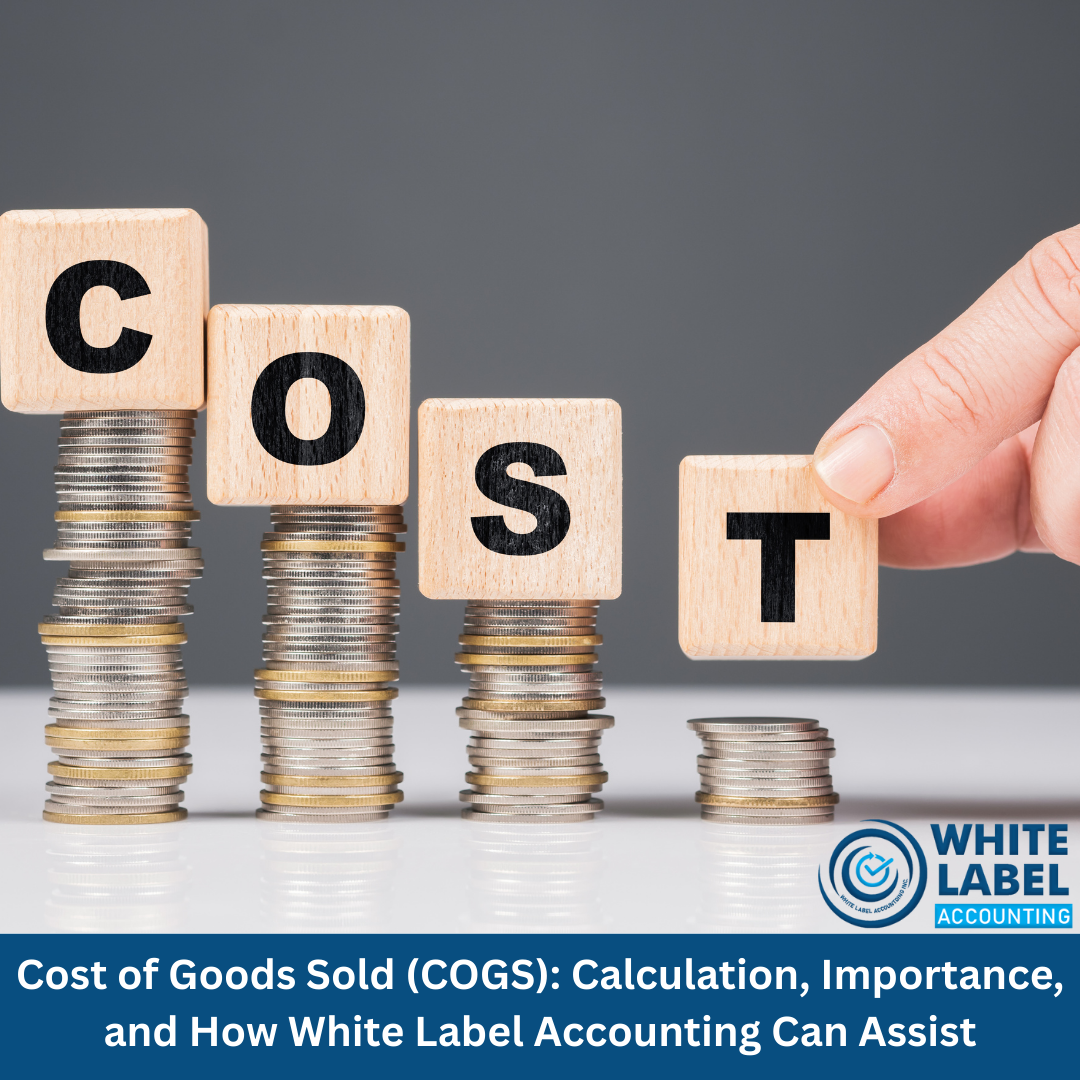
Cost of Goods Sold (COGS) refers to the direct costs associated with producing the goods a company sells during a given period. This includes expenses such as raw materials, labor, and overhead directly tied to the manufacturing process.
Calculating COGS is vital for determining a company’s gross profit and evaluating the efficiency of business operations.
In simpler terms, COGS represents the actual costs involved in creating the products sold to customers. It’s a key metric that affects both profit margins and taxation.
The formula for COGS is:
COGS = Beginning Inventory + Purchases – Ending Inventory
Beginning Inventory: Value of inventory at the start of the period
Purchases: Cost of goods bought or produced during the period
Ending Inventory: Value of inventory remaining at the end of the period
For manufacturing businesses, COGS may also include direct labor and manufacturing overhead. This calculation helps determine the actual cost of producing goods sold during the period.
Inventory Management
Tracking and valuing inventory accurately can be challenging. Errors here may distort COGS and impact profit margins.
Choosing the Right Inventory Valuation Method
Methods like FIFO, LIFO, or Weighted Average can yield different results for COGS, affecting reported profits and taxes.
Misclassifying Expenses
Misallocating costs can lead to inaccurate COGS, distorting financial statements.
Seasonal Variations
Seasonal businesses often face fluctuations in inventory levels, complicating COGS calculations.
At White Label Accounting, we understand the complexities of calculating and managing COGS. Our expert team ensures accuracy, helping your business avoid costly mistakes. Here’s how we can help:
Inventory Management: Implement efficient tracking systems for accurate purchase, sales, and inventory records.
Guidance on Valuation Methods: Select the most suitable inventory valuation method for your business and industry.
Accurate Financial Reporting: Record COGS correctly in financial statements to provide a true view of profit margins.
Tax Optimization: Maximize deductions and minimize liabilities through accurate COGS reporting.
Tailored Solutions for Manufacturers: Ensure all production costs, including labor and overhead, are properly accounted for.
Profitability: Overstating COGS understates profits, while understating it inflates profits.
Tax Implications: Accurate COGS helps claim the right deductions and minimize tax liabilities.
Business Decisions: Reliable financial data supports better decisions on pricing, production, and resource allocation.
Investor Confidence: Transparent and accurate reporting builds credibility with investors and stakeholders.
Cost of Goods Sold is a critical metric that directly affects profitability, taxes, and strategic decision-making. However, calculating COGS correctly can be challenging due to inventory complexities, expense classification, and seasonal changes.
At White Label Accounting, we simplify the process and ensure accurate COGS calculations. From inventory management to financial reporting and tax optimization, our services help you run a more efficient and profitable business.





Copyright © 2025 White Label Accounting Inc. All Rights Reserved | Developed by WITH U Technology Pvt. Ltd.