Many first-time startup founders have finally managed to get their companies on a stable track, with a steady flow of customers and orders. Yet when the topic of completing their first tax filing comes up, most of them
immediately hit a wall: those awkward, hard-to-grasp professional terms form an insurmountable knowledge barrier. As a professional institution with deep expertise in fiscal and taxation services for micro, small, and medium-sized enterprises
(MSMEs), we have specifically launched a jargon-free, plain-language tax filing guide for first-time founders, to help everyone navigate tax season smoothly.
Know Your Business Structure (Because the IRS Does)
Many first-time startup founders often mistakenly equate their business’s legal entity with its tax entity. In reality, a business’s registration structure
fully determines its own tax rules. Per the official tax
regulations of the U.S. Internal Revenue Service (IRS), the tax requirements for the three mainstream business structures all differ: C-Corps are legal entities independent of their owners, and must pay taxes at the flat 21% federal corporate tax
rate; shareholders’ dividends are taxed a second time, leading to the double taxation rule. S-Corps are a dedicated tax status designed for small businesses, whose profits and losses can pass through to their owners’ personal tax returns, thus avoiding double taxation. LLCs are extremely flexible: single-member LLCs are taxed by default as sole proprietorships, while multi-member LLCs are taxed by default as partnerships; they may also elect to be taxed as an S-Corp or C-Corp.
Circle These 2026 Corporate Tax Deadlines
If you are the tax filing administrator for a U.S. enterprise, missing the tax return filing deadline will trigger immediate fines and compound interest penalties imposed by the Internal Revenue Service
(IRS). For 2026, different tax-filing entities correspond to their dedicated tax forms and respective filing deadlines. Startup enterprises may apply for an extension to file their tax returns, but they must strictly comply with the applicable rules and core restrictions that govern such filing extensions.
Step-by-Step: How to Prep for Your First Filing
To ensure smooth document archiving, please conduct all operations strictly in accordance with relevant regulations.
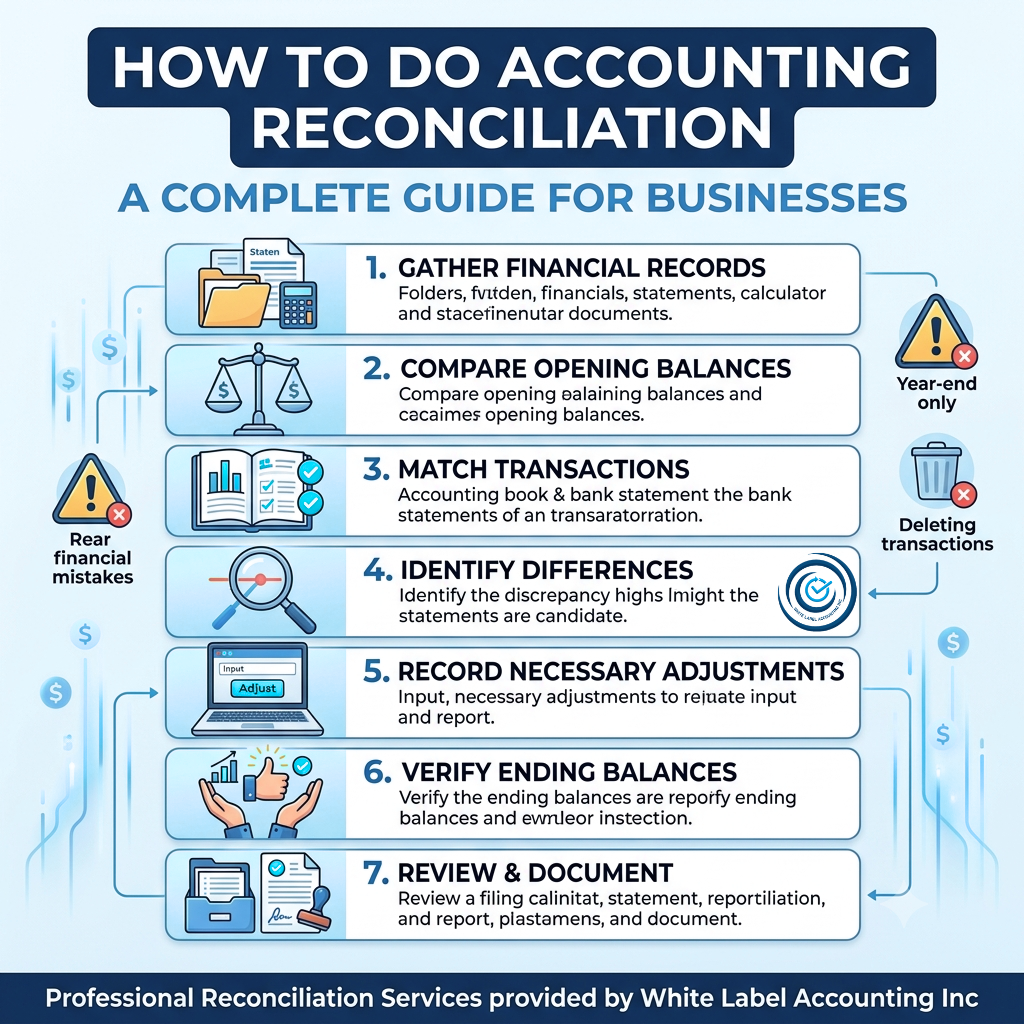
This study summarizes four sequential compliance preparation tasks that U.S. small and micro enterprises must complete for tax filing. Each step has clear execution timelines and operational standards, and all steps
strictly align with the requirements of U.S. tax law. First, fulfill the pre-requirement of liability separation, and clarify the financial and tax boundaries between the enterprise and the individual. Second, complete monthly account reconciliation for
payment channels including Stripe,PayPal, and other similar platforms. Third, at the beginning of each year, regularly collate all required official tax forms including W-2, 1099-NEC, 1099-K, and others. Last, before filing taxes, sort out all eligible deductible items that meet the criteria of the Section 179 tax provision. The entire process follows a clear logical framework, with no risk of omitting any key procedures.
Don't Leave Money on the Table: Essential Tax Write-offs
If you are an entrepreneur starting a business in the United States for the first time, all funds retained through compliant tax deductions can be directly reallocated to drive your company’s growth. The U.S. Internal Revenue Service (IRS) stipulates that in a startup’s first year of operation, up to $5,000 in organizational and startup costs may be deducted.
Additional eligible compliant deductible items include software subscriptions for tools such as Slack, Zoom, and CRM systems, professional service fees for legal and accounting services, and marketing expenditures including digital advertising and search engine optimization (SEO) costs. You may directly cross-reference all of these items for verification.
The Ultimate Growth Shortcut: Lean on the Experts
If you are the founder of an agency, consulting team, or high-growth platform, and you single-handedly oversee core tasks including product development, sales, customer satisfaction, and complex corporate tax compliance, you will quickly burn out. On top of that, you still have to address the accounting support needs raised by your end clients.
You may choose our white-label accounting partnership service to solve these pain points: you do not need to build a costly in-house CPA team. We operate discreetly in the background under your brand name, delivering bookkeeping, tax filing, and corporate financial strategy services.
This offering helps you expand your service portfolio, add new recurring revenue streams, ensure compliance, and eliminate operational burdens, so that you can focus on growth rather than stress this tax season.

Copyright © 2025 White Label Accounting Inc. All Rights Reserved | Developed by WITH U Technology Pvt. Ltd.