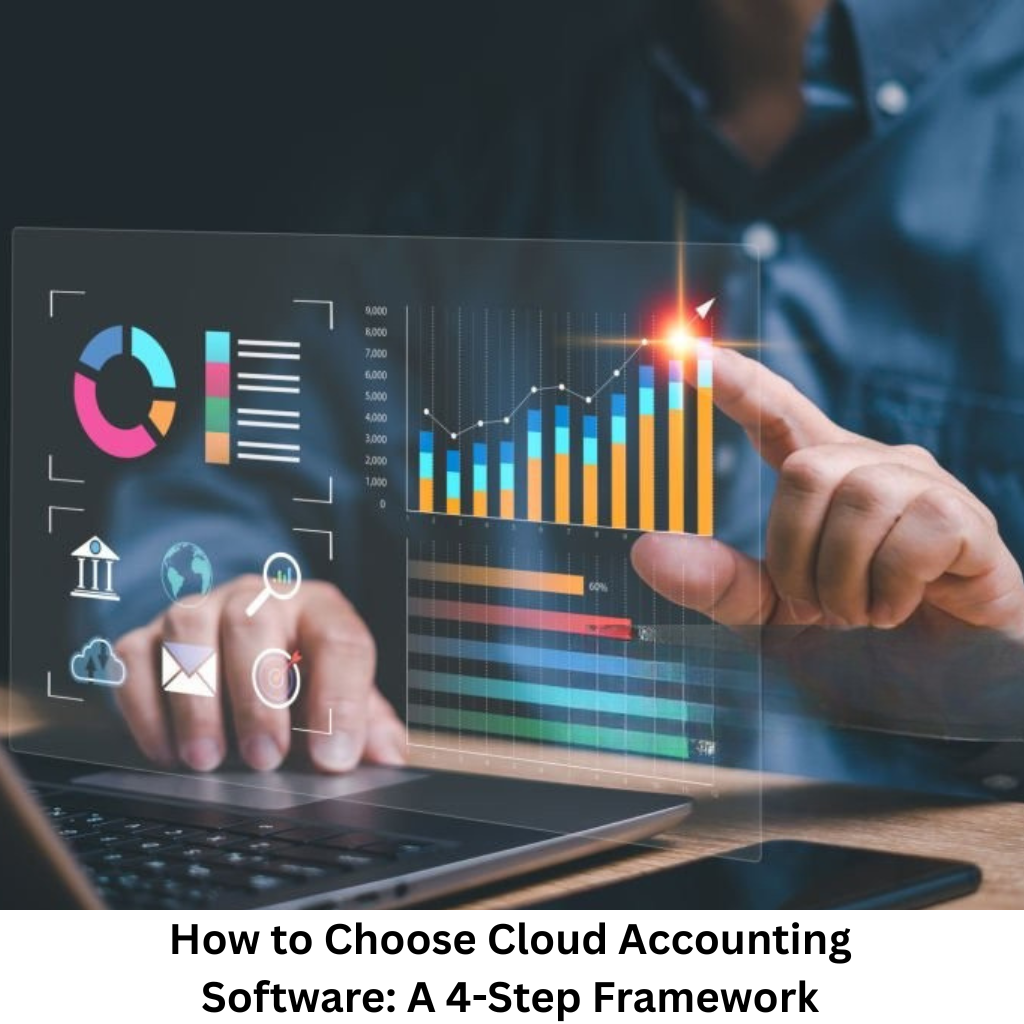
Still managing your company’s finances with spreadsheets or outdated legacy desktop accounting systems? That long-used approach has long failed to keep up with the operational pace of modern
businesses.
Today’s cloud accounting tools are no longer mere simple bookkeeping tools; they have evolved into strategic financial hubs that can support all scenario-based needs, capable of handling every requirement from basic general ledger management to real-time operating artificial intelligence workflows. Adopting a properly tailored cloud platform can not only drastically simplify business processes, but also reduce oversights from manual data entry, elevating financial accuracy to a new high.
The Pitfall of "One-Size-Fits-All
However, the current market already offers a very wide range of optional tools: there are mature mainstream products such as QuickBooks Online, Xero, and Sage Intacct, as well as newly launched independent AI-powered cloud accounting platforms. For enterprises, the core challenge is no longer "whether to move financial operations to the cloud", but rather "how to select a tool that matches the unique business scale and business type of one’s own organization".
The most common pitfall in the industry is the "one-size-fits-all" mistake in tool selection: a large number of enterprises rush to subscribe to software based solely on brand recognition, only to encounter one hidden
obstacle after another later on. A lightweight tool built to suit freelance consultants is completely unable to support the complex business needs of e-commerce businesses with large inventory volumes, or multi-entity corporate groups.
To address this, we have compiled a comparison table of four core evaluation dimensions, which you can cross-check one by one before investing time and funds to migrate your financial system. We will also launch a step-by-step tool selection framework in subsequent content, to help you work through the full set of tool selection logic for the entire process step by step.
A 4-Step Practical Accounting Software Selection Framework
This paper compiles an implementable, actionable four-step practical accounting software selection framework for enterprises with accounting software procurement needs:
Step 1: Audit existing workflows, sort out business transaction volumes, process bottlenecks, and
integration tools requiring interfacing such as Stripe and Shopify, and clarify unique requirements including multi-currency support;
Step 2: Define user access permissions, requiring the tool to support role-based assignment to balance data security and daily reconciliation needs;
Step 3: Evaluate AI adaptability, and prioritize platforms with built-in AI to boost operational efficiency;
Step 4: Calculate total cost of ownership, and incorporate all types of hidden costs into the full-lifecycle measurement.
Scale Your Operations Seamlessly
Many clients often encounter daunting challenges when advancing data migration, platform training, and financial system deployment. As a trusted white-label accounting partner, we deliver behind-the-scenes support to enable you to identify, deploy, and manage top-tier cloud accounting infrastructure under your own brand. We also handle automated bookkeeping and the preparation of real-time management reports, allowing your core team to focus on maintaining high-value client relationships and pursuing strategic growth.

Copyright © 2025 White Label Accounting Inc. All Rights Reserved | Developed by WITH U Technology Pvt. Ltd.