In today’s always-on business environment, financial clarity isn’t a luxury—it’s a necessity. Yet, many businesses unknowingly operate with outdated or mismatched financial records, simply because reconciliation is delayed. Think of financial reconciliation as your business’s pulse check: if it’s irregular or ignored, problems can escalate quickly.
Timely financial reconciliation isn’t just about matching numbers—it’s about building trust, ensuring accuracy, and unlocking smarter decision-making.
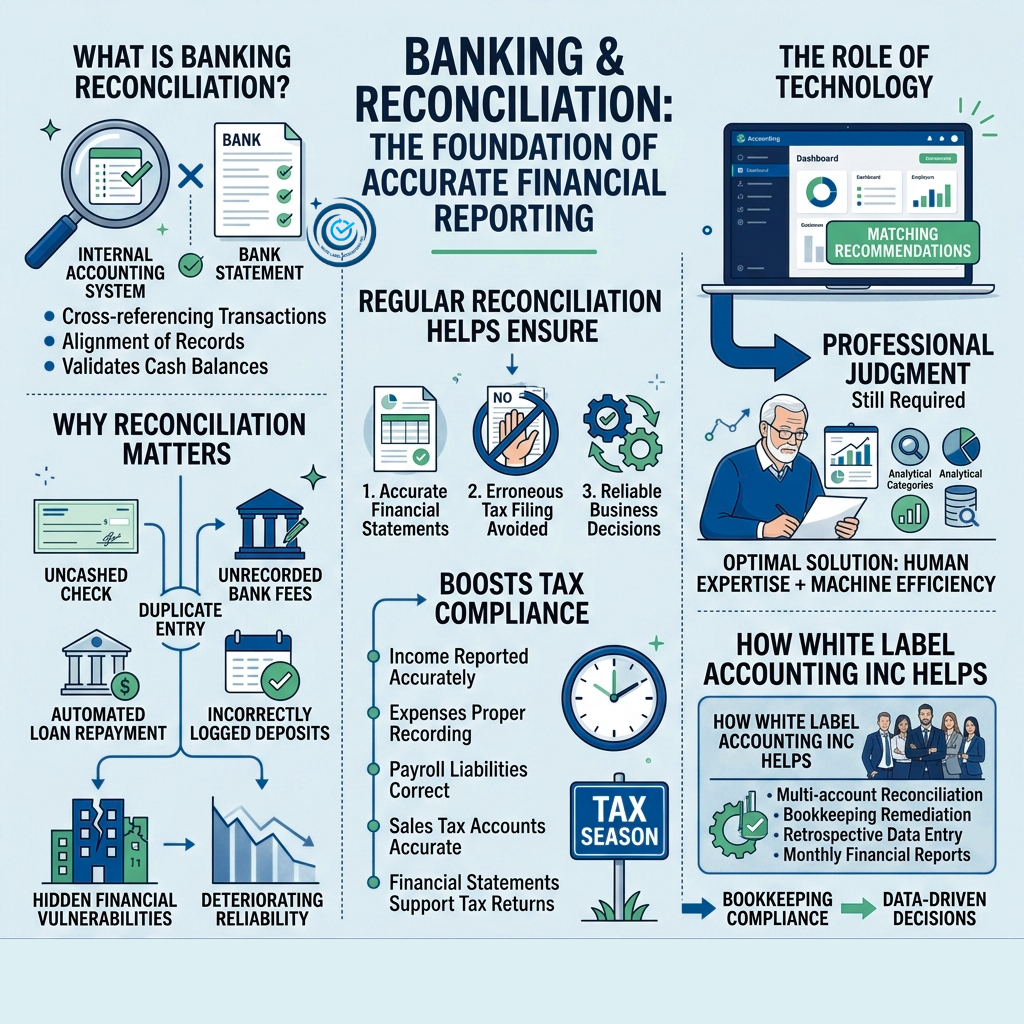
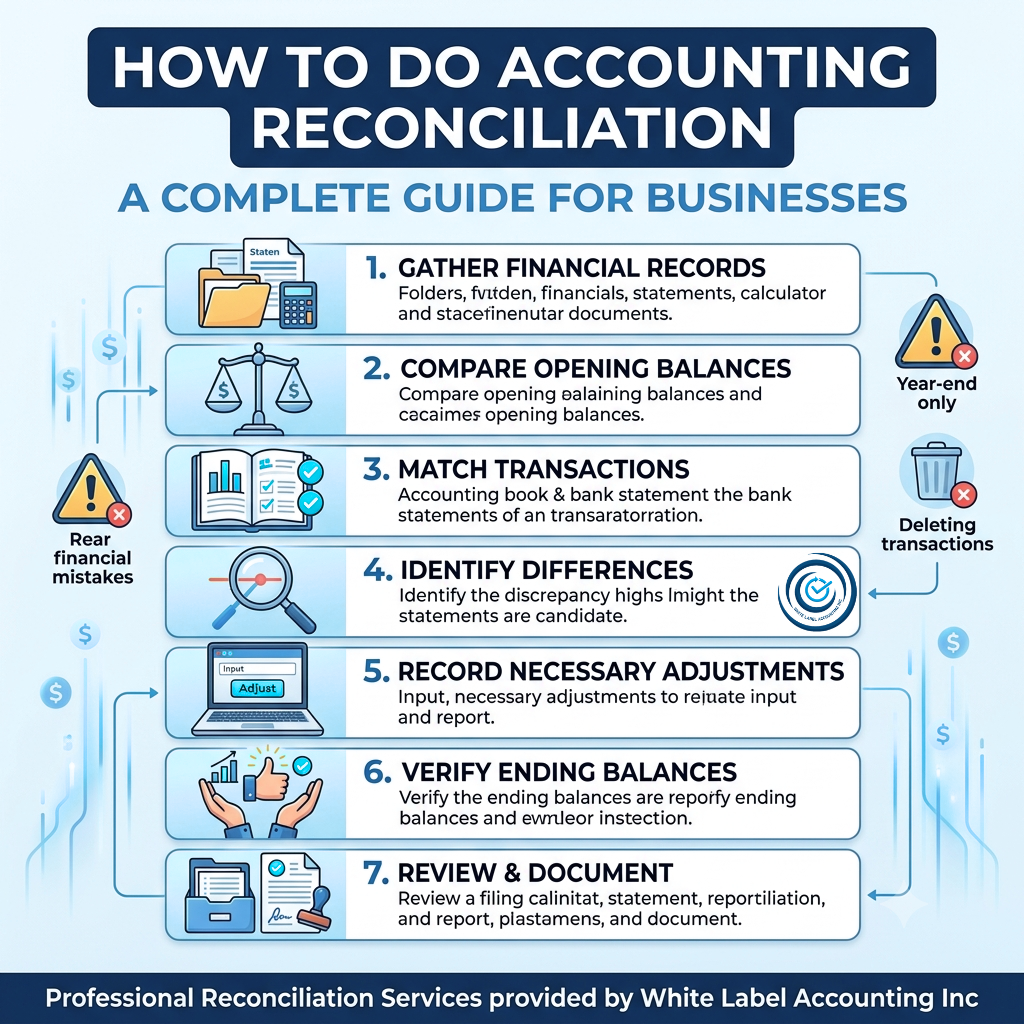
At its core, financial reconciliation is the process of comparing internal financial records with external statements—like bank accounts, credit cards, and payment platforms—to ensure everything aligns.
But in a modern context, it goes beyond verification. It’s about:
Detecting discrepancies early
Preventing fraud or financial leakage
Maintaining audit-ready records
Strengthening financial transparency
When reconciliation is pushed aside, the consequences can quietly compound:
1. Hidden Errors Become Bigger Problems
A small mismatch today can turn into a major discrepancy tomorrow. Delays make it harder to trace and correct errors.
2. Cash Flow Confusion
Without accurate, up-to-date records, businesses risk overestimating available funds—leading to poor spending decisions.
3. Compliance Risks
Late or inaccurate financial data can create issues during audits, tax filings, or regulatory reviews.
4. Missed Insights
Outdated numbers mean outdated decisions. You lose the ability to act on real-time financial trends.
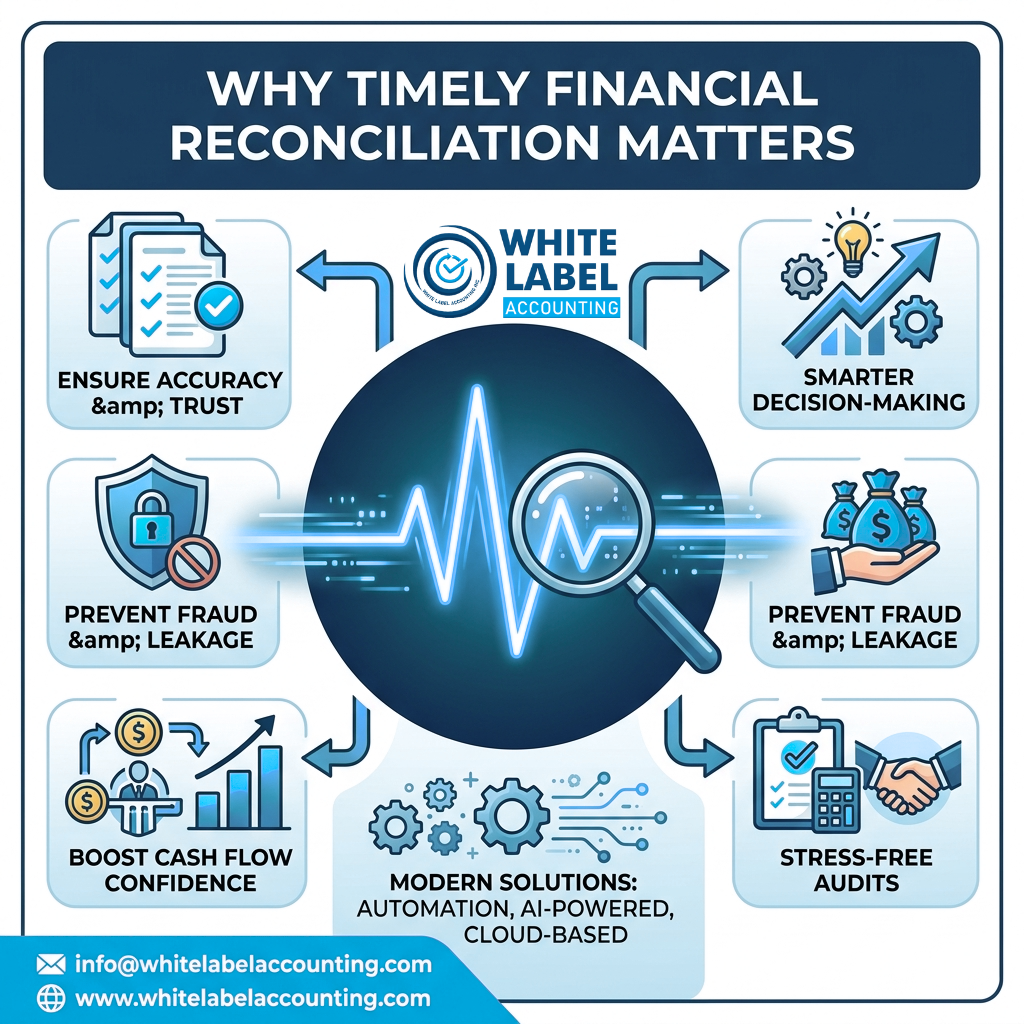
Real-Time Financial Confidence
When reconciliation is done regularly—daily, weekly, or monthly—you gain a clear and current view of your finances.
Faster Decision-Making
Accurate books empower leaders to make quick, informed decisions without second-guessing the data.
Stronger Fraud Detection
Unusual transactions are easier to spot when records are reviewed consistently.
Stress-Free Audits
Timely reconciliation ensures your financials are always audit-ready, reducing last-minute chaos.
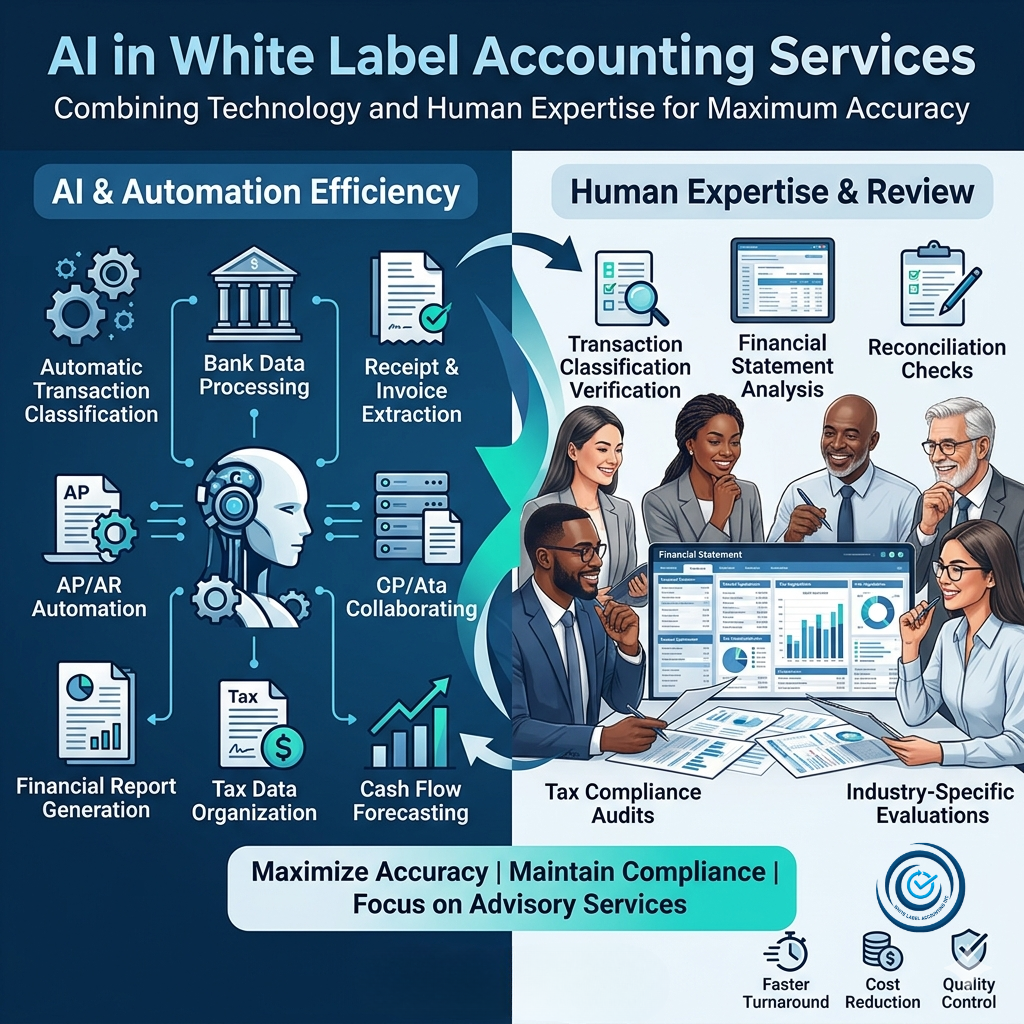
Traditional reconciliation methods often rely on manual processes that are time-consuming and error-prone. Today’s businesses are embracing smarter approaches:
Automation Tools that match transactions instantly
Cloud-Based Platforms for real-time access
AI-Powered Systems that flag anomalies
Integrated Financial Ecosystems that sync data seamlessly
This shift transforms reconciliation from a reactive task into a proactive strategy.
The answer depends on your business size and transaction volume, but modern best practices suggest:
Daily reconciliation for high-volume businesses
Weekly reconciliation for growing companies
Monthly reconciliation as a minimum standard
The key is consistency. The more frequent the reconciliation, the greater the control.
Many businesses are turning to expert partners to handle reconciliation efficiently and accurately.
Why Outsource?
Access to experienced professionals
Reduced operational burden
Improved accuracy with advanced tools
Scalable solutions as your business grows
By outsourcing, you ensure reconciliation is never delayed—no matter how busy your operations become.
Timely financial reconciliation isn’t just about balancing books—it’s about building a financially resilient business. It protects your cash flow, strengthens your decision-making, and ensures long-term stability.
In a world where every transaction counts, staying financially aligned in real time gives you a powerful competitive edge.
If you're ready to simplify reconciliation and elevate your financial processes, explore expert solutions at **www.whitelabelaccounting.com**—where accuracy meets efficiency.


Copyright © 2025 White Label Accounting Inc. All Rights Reserved | Developed by WITH U Technology Pvt. Ltd.