Hiring a bookkeeper isn’t just about finding someone who can “handle the numbers.” It’s about choosing a financial partner who brings clarity, structure, and confidence to your business decisions.
In today’s fast-moving business environment, a professional bookkeeper does far more than record transactions—they become the silent engine behind your financial stability.
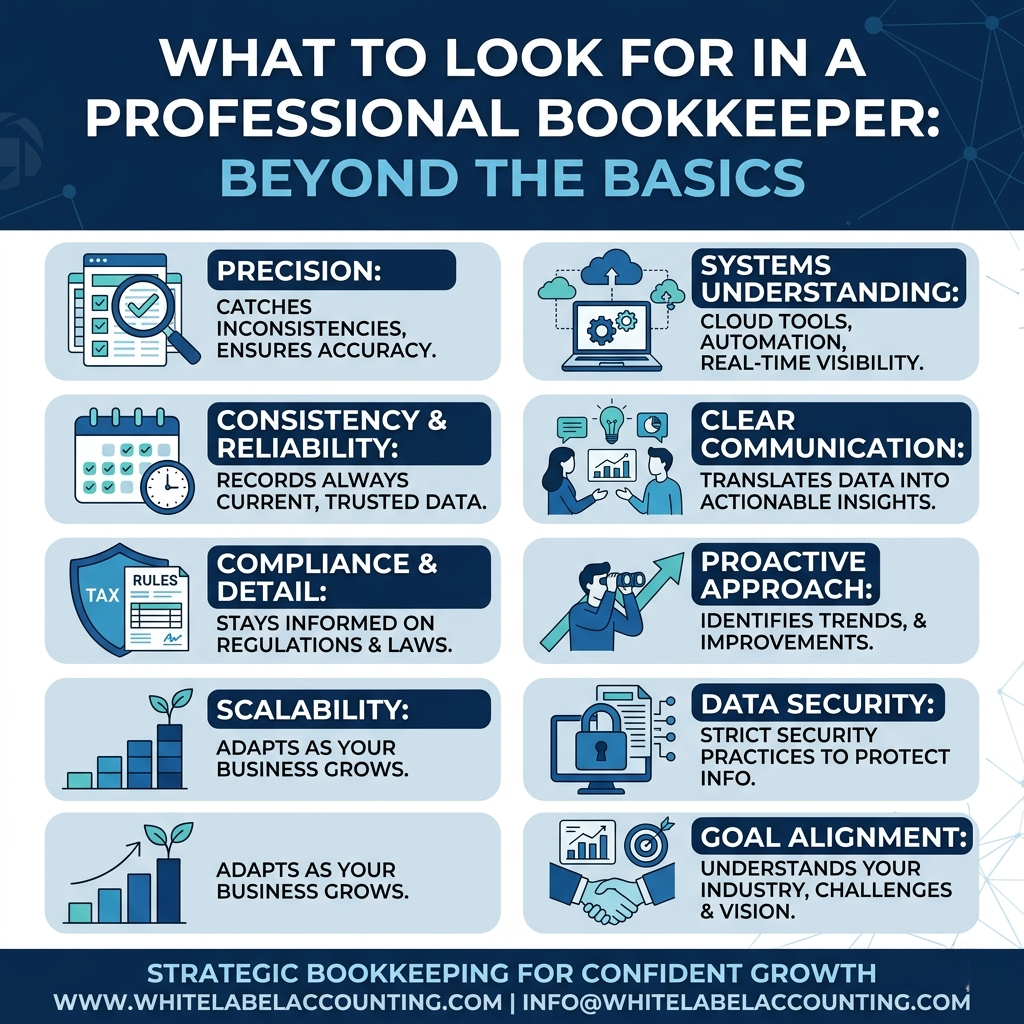
Accuracy is non-negotiable. But a great bookkeeper doesn’t just input numbers—they understand them. They catch inconsistencies, flag unusual transactions, and ensure your financial records tell the right story.
Look for someone who treats your books not as routine work, but as a system that reflects your business health.
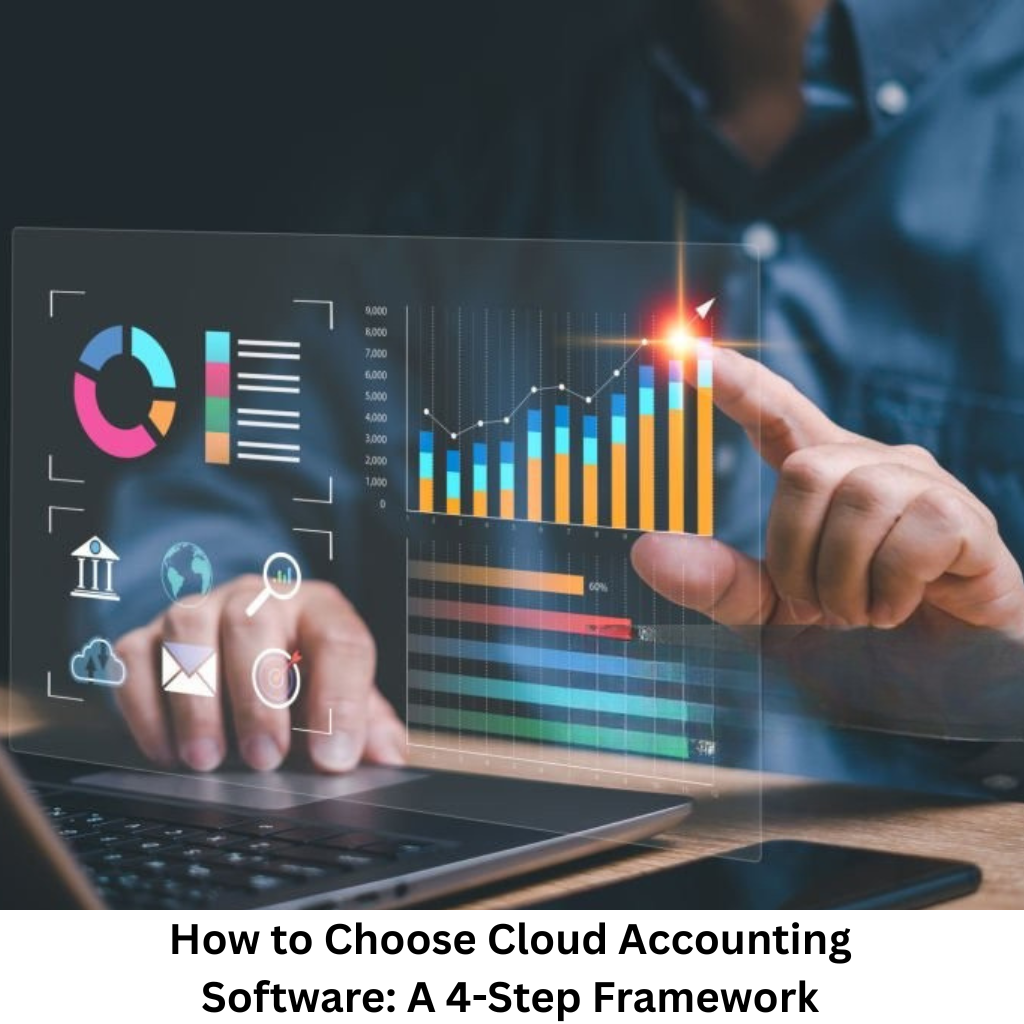
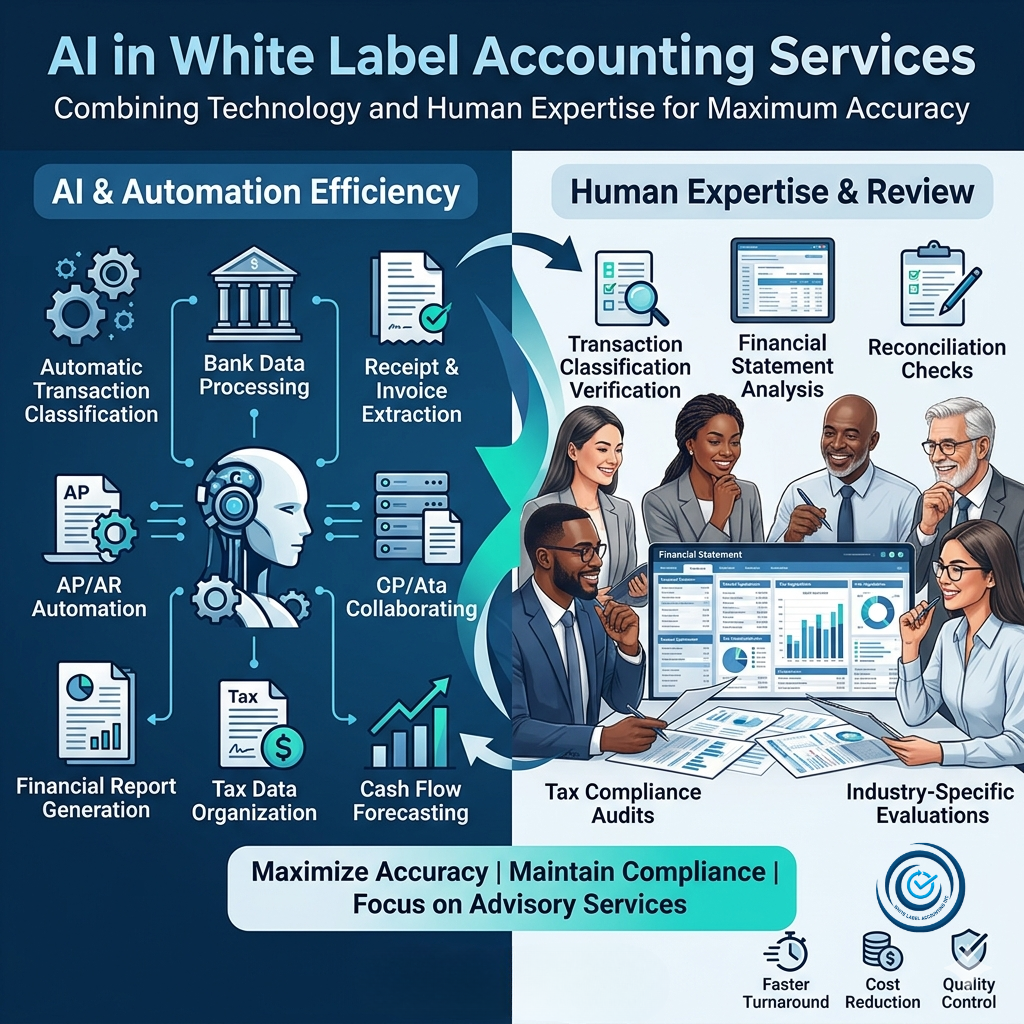
Modern bookkeeping is powered by technology. A professional bookkeeper should be comfortable using cloud-based tools, automating workflows, and integrating systems.
This isn’t just about convenience—it’s about:
Real-time financial visibility
Reduced manual errors
Faster decision-making
Your financial data needs to be updated regularly—not just when it’s convenient. A dependable bookkeeper ensures your records are always current, helping you avoid last-minute chaos during tax season or audits.
Consistency builds trust—not just in your books, but in your business decisions.
Numbers alone don’t help unless you understand them. A great bookkeeper translates financial data into simple, actionable insights.
They should be able to answer:
Where is your money going?
Are you profitable?
What needs attention right now?
If they can’t explain it clearly, they’re not the right fit.
Financial regulations, tax requirements, and reporting standards are constantly evolving. A professional bookkeeper stays informed and ensures your records align with current laws.
Small compliance mistakes can lead to big problems—this is an area where expertise truly matters.
The best bookkeepers don’t just record the past—they help shape the future. They identify trends, highlight risks, and suggest improvements.
Instead of waiting for problems, they help you avoid them.
Your business won’t stay the same—and your bookkeeping shouldn’t either. Choose a bookkeeper who can adapt as you grow, whether that means handling higher transaction volumes, managing multiple accounts, or supporting expansion.
Financial data is sensitive. A professional bookkeeper must follow strict security practices to protect your information.
This includes:
Secure systems
Controlled access
Confidential handling of financial records
A bookkeeper should understand your industry, your challenges, and your goals. The more aligned they are with your vision, the more value they can provide.
They’re not just maintaining records—they’re supporting your growth.
At www.whitelabelaccounting.com, bookkeeping is approached as a strategic function, not just a routine task. The focus is on delivering accuracy, transparency, and insights that empower businesses to grow with confidence.
Choosing a professional bookkeeper is one of the most important financial decisions you’ll make. The right one brings more than organization—they bring clarity, foresight, and control.
Because when your books are in order, your business moves forward with confidence.


Copyright © 2025 White Label Accounting Inc. All Rights Reserved | Developed by WITH U Technology Pvt. Ltd.