Accurate financial reporting is the foundation of sound business decisions. Whether you're preparing internal management reports or statutory financial statements, the reliability of your numbers depends heavily on one critical process: reconciliation.
Reconciliation ensures that your financial records are complete, accurate, and aligned with external and internal data sources. Without it, even small errors can snowball into major financial misstatements.
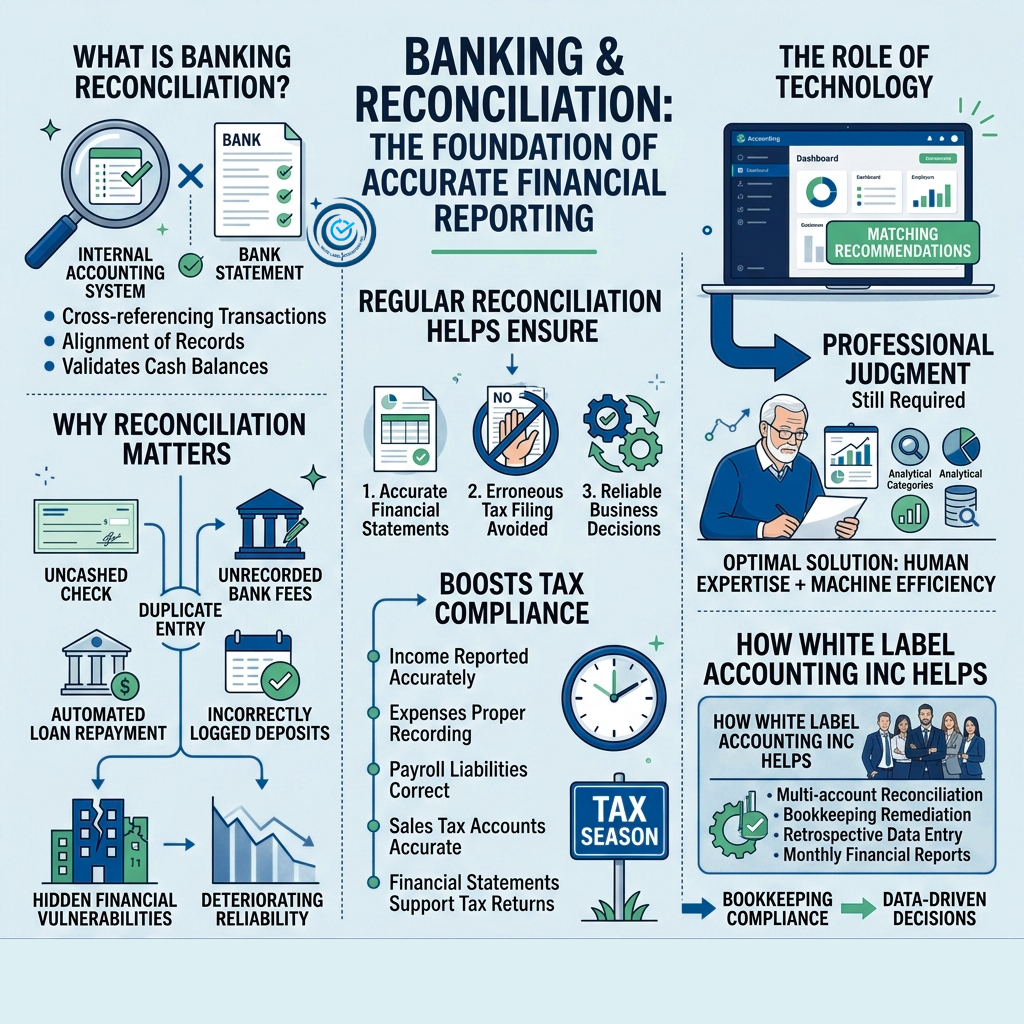
Reconciliation is the process of comparing two sets of records to confirm they match and investigating any discrepancies.
Common types include:
Bank Reconciliation – Matching your cash book with bank statements
Accounts Receivable Reconciliation – Verifying customer balances
Accounts Payable Reconciliation – Confirming supplier balances
Intercompany Reconciliation – Matching transactions between related entities
General Ledger Reconciliation – Ensuring ledger balances align with supporting schedules
The goal is simple: ensure that every transaction is recorded correctly and completely.
Financial statements—such as the income statement, balance sheet, and cash flow statement—rely on accurate underlying data. Regular reconciliations prevent:
Duplicate entries
Missing transactions
Posting errors
Incorrect account classifications
When accounts are reconciled consistently, reported figures truly reflect the company’s financial position.
Unreconciled accounts create opportunities for mistakes and potential fraud to go unnoticed. Reconciliation helps identify:
Unauthorized transactions
Incorrect payments
Billing errors
Suspicious account activity
Early detection minimizes financial risk and protects business assets.
Bank and cash reconciliations provide real-time clarity on available funds. This helps businesses:
Avoid overdrafts
Plan payments strategically
Monitor outstanding receivables
Maintain healthy working capital
Clear visibility supports better financial decision-making.
Regulatory authorities and auditors expect reconciled accounts. Well-documented reconciliations:
Demonstrate strong internal controls
Reduce audit adjustments
Speed up audit processes
Lower compliance risks
A clean reconciliation trail builds credibility with stakeholders.
Reconciliation acts as a control mechanism by:
Verifying transaction validity
Ensuring proper authorization
Maintaining segregation of duties
Supporting financial transparency
Strong internal controls improve operational efficiency and reduce financial misstatements.
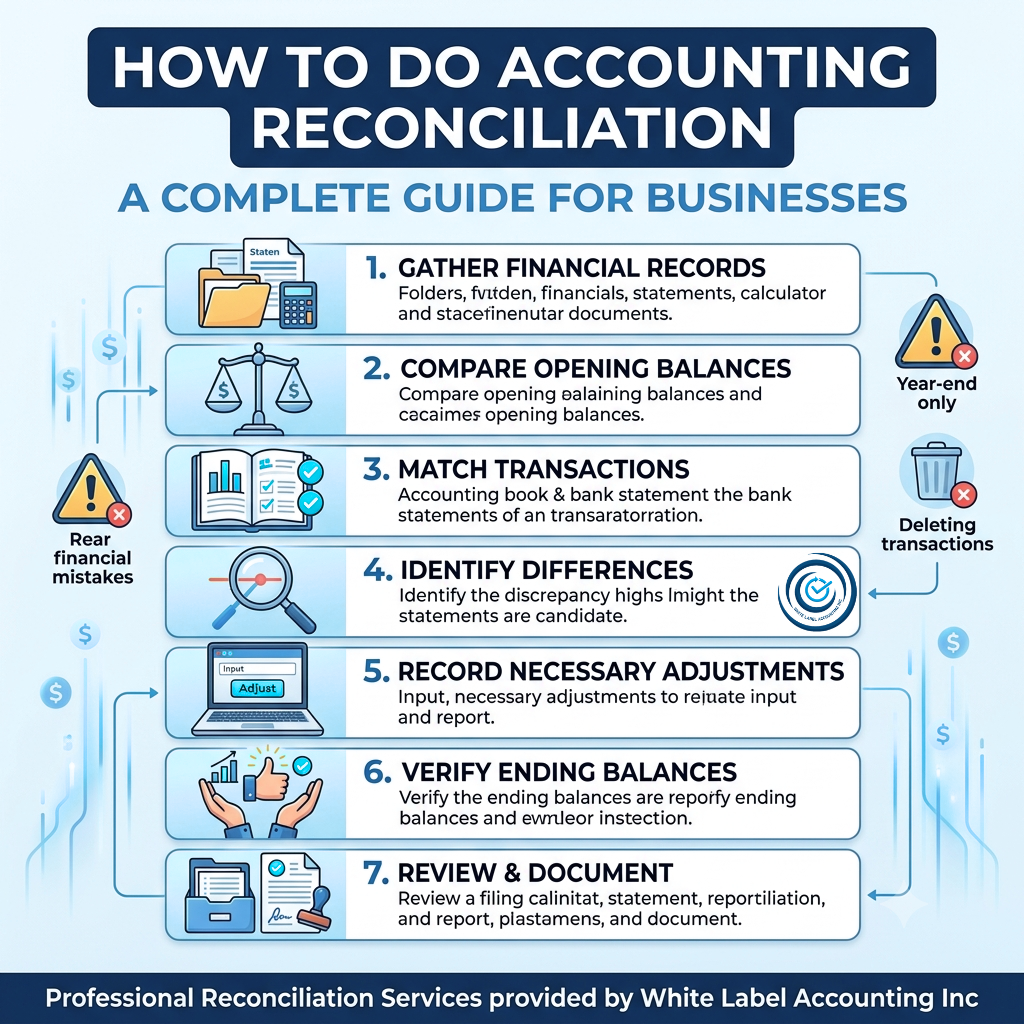
To maximize the benefits of reconciliation:
Perform reconciliations monthly (or more frequently for high-volume accounts)
Use standardized reconciliation templates
Investigate discrepancies immediately
Maintain supporting documentation
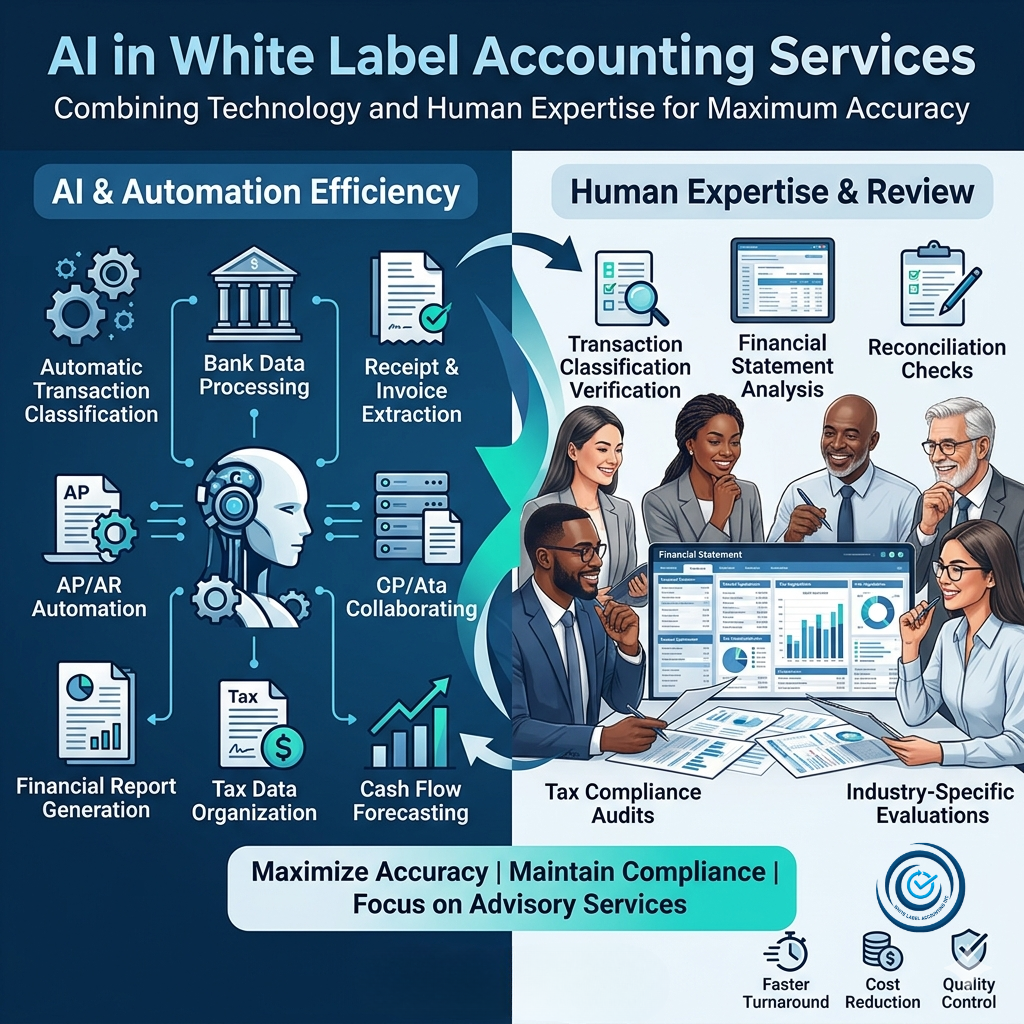
Automate where possible using accounting software
Assign clear responsibility for each account
Consistency is key—reconciliation should be a structured and routine process, not an occasional task.
Accurate financial reporting enables:
Smarter strategic planning
Better budgeting and forecasting
Increased investor confidence
Improved lending opportunities
When reconciliation becomes part of your financial discipline, your reports become more reliable—and your decisions more informed.
Reconciliation is not just an accounting formality—it is a critical safeguard for financial accuracy and business stability. By regularly comparing, verifying, and correcting financial records, businesses ensure their reports reflect reality.
In today’s competitive environment, accurate financial reporting isn’t optional—it’s essential. And reconciliation is what makes it possible.



Copyright © 2025 White Label Accounting Inc. All Rights Reserved | Developed by WITH U Technology Pvt. Ltd.