In an era where financial data moves faster than ever, businesses often focus on growth, automation, and scaling operations—but overlook one quiet hero in financial control: reconciliation.
At first glance, reconciliation may seem like a routine accounting task. But beneath the surface, it acts as a powerful defense mechanism against fraud, errors, and financial mismanagement. When done right, reconciliation doesn’t just balance your books—it protects your business.
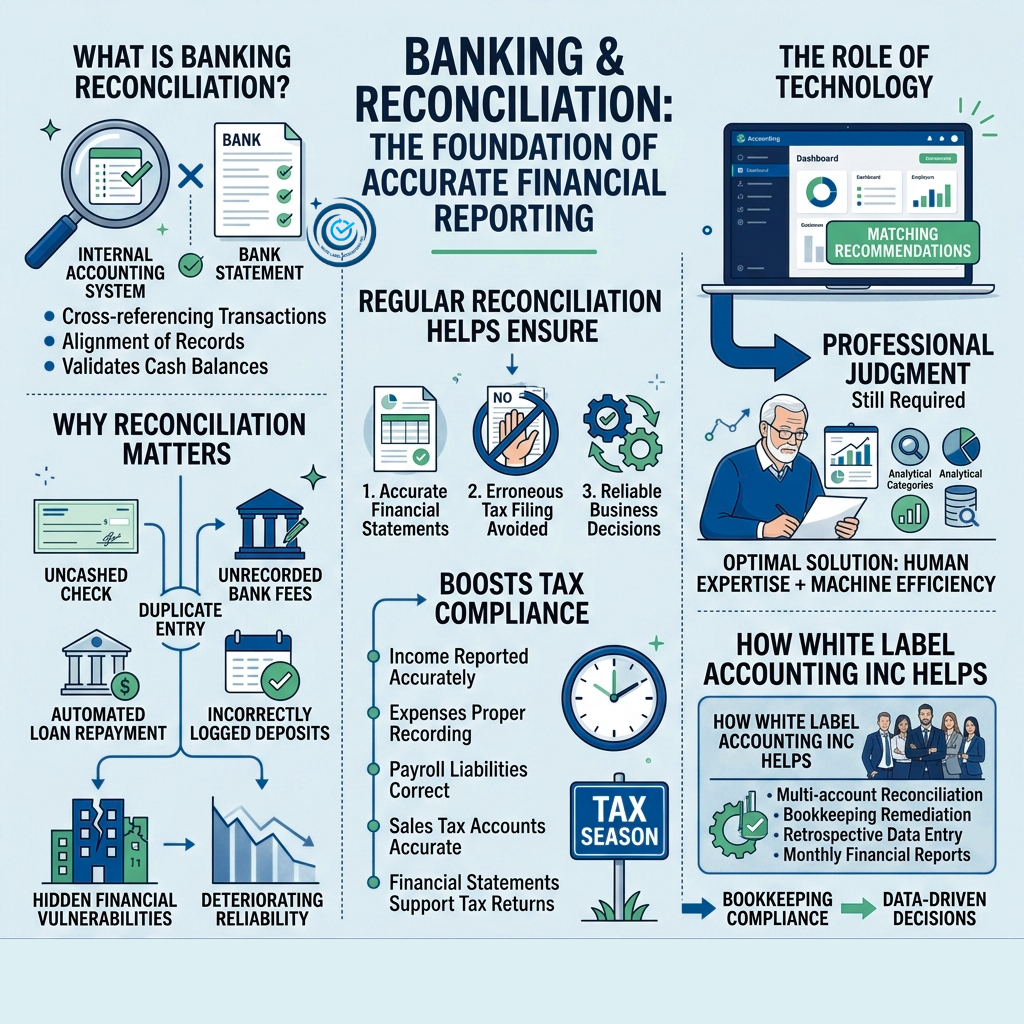
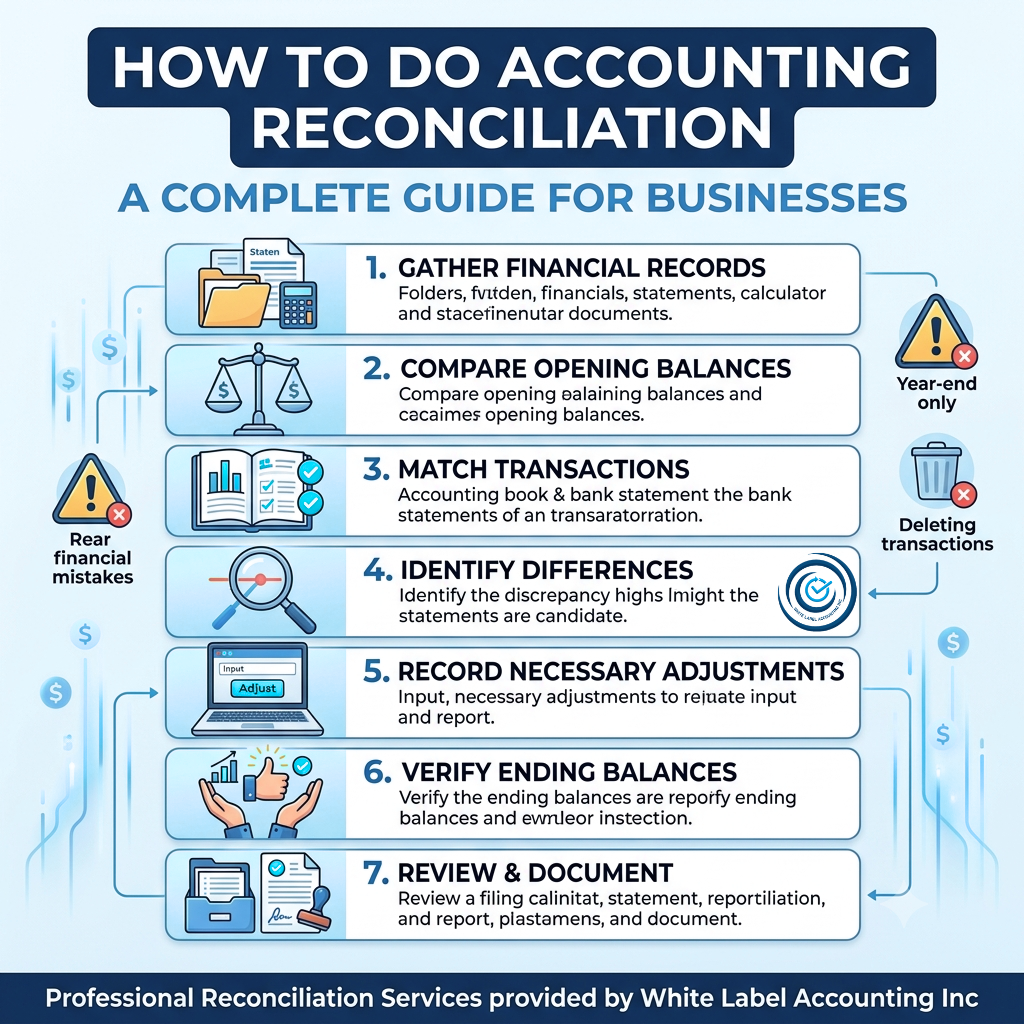
Reconciliation is the process of comparing financial records—such as bank statements, invoices, and internal ledgers—to ensure everything matches accurately.
But modern reconciliation goes beyond simple matching. It answers critical questions:
Are all transactions legitimate?
Has anything been altered, duplicated, or omitted?
Do internal records align with external sources?
This process creates a layer of transparency that makes it much harder for fraudulent activity to go unnoticed.
Fraud rarely starts big. It often begins with small discrepancies:
Duplicate payments
Unauthorized transactions
Manipulated entries
Missing invoices
Without regular reconciliation, these small issues can slip through the cracks and grow into serious financial threats.
Fraud thrives in environments where:
Oversight is limited
Processes are inconsistent
Financial data isn’t reviewed regularly
That’s exactly what reconciliation is designed to fix.
Frequent reconciliation helps identify unusual patterns quickly. A mismatched transaction or unexplained variance can be the first sign of fraud.
The sooner you detect it, the easier it is to control the damage.
When accounts are regularly reconciled, every transaction must be justified. This creates a system where:
Every entry has a traceable source
Employees are more accountable
Unauthorized actions become harder to hide
Fraud often exploits gaps in processes. Inconsistent or delayed reconciliation creates opportunities for manipulation.
A structured, consistent reconciliation process closes those gaps—reducing risk significantly.
Reconciliation supports key internal controls like:
Segregation of duties
Approval workflows
Audit trails
Together, these controls create a strong financial defense system.
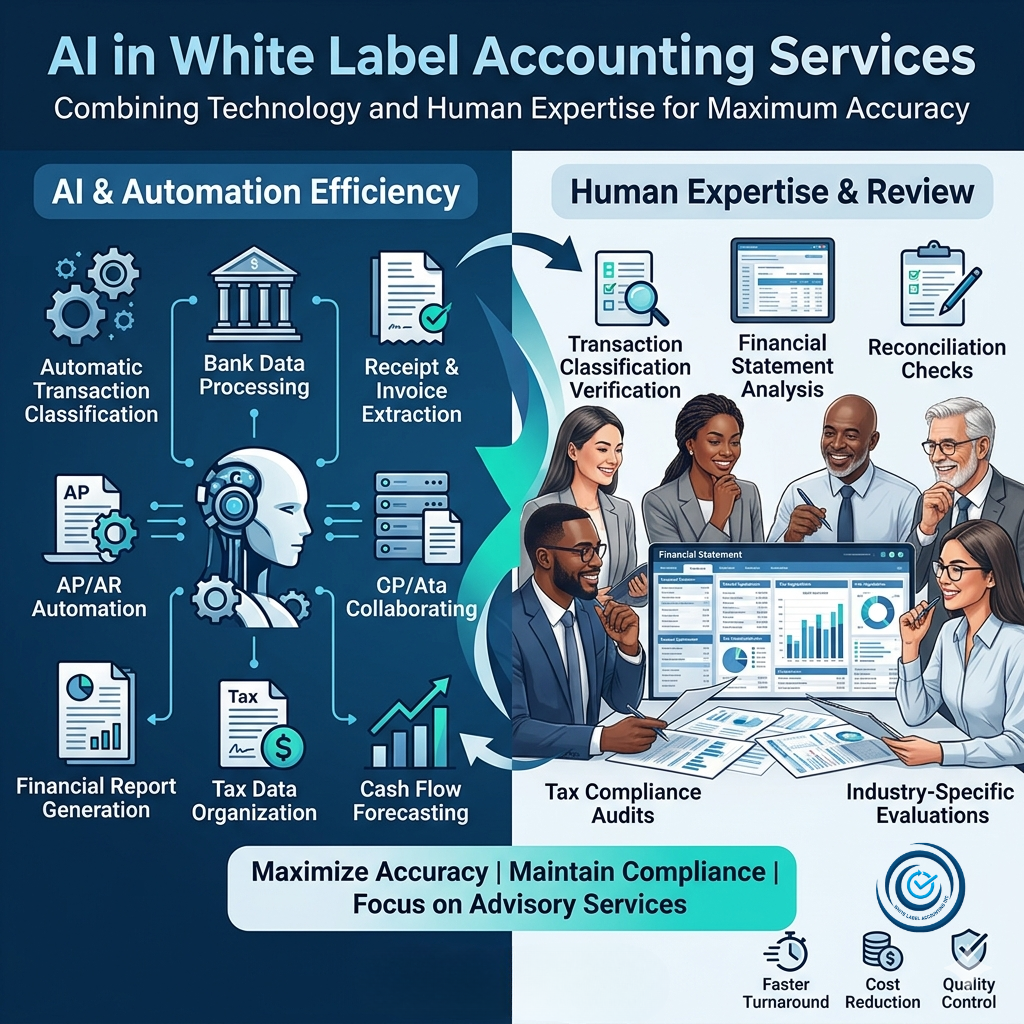
Today’s reconciliation isn’t manual or reactive—it’s automated and intelligent.
Modern tools offer:
Real-time transaction matching
Automated alerts for discrepancies
Integration with banking and accounting systems
This not only improves accuracy but also ensures that potential fraud signals are flagged instantly—not weeks later.
While fraud prevention is a major benefit, reconciliation also delivers broader advantages:
Accurate financial reporting
Better cash flow visibility
Informed decision-making
Audit readiness
In short, it builds trust—not just within your organization, but with stakeholders, partners, and regulators.
For many businesses, maintaining consistent and detailed reconciliation internally can be challenging. That’s where expert partners like White Label Accounting come in.
Outsourcing reconciliation offers:
Access to experienced professionals
Standardized and proven processes
Reduced internal workload
Improved accuracy and compliance
With the right partner, reconciliation becomes seamless, reliable, and proactive.
Fraud prevention isn’t just about reacting to problems—it’s about building systems that make fraud difficult in the first place.
Reconciliation does exactly that.
It transforms your financial data into a controlled, transparent, and secure environment where discrepancies are quickly identified and resolved.
Reconciliation is more than a back-office task—it’s a strategic safeguard.
By connecting reconciliation with fraud prevention, businesses can:
Detect risks early
Strengthen internal controls
Build financial integrity
In a world where financial risks are constantly evolving, one thing remains clear:
The businesses that reconcile regularly are the ones that stay protected.

Copyright © 2025 White Label Accounting Inc. All Rights Reserved | Developed by WITH U Technology Pvt. Ltd.