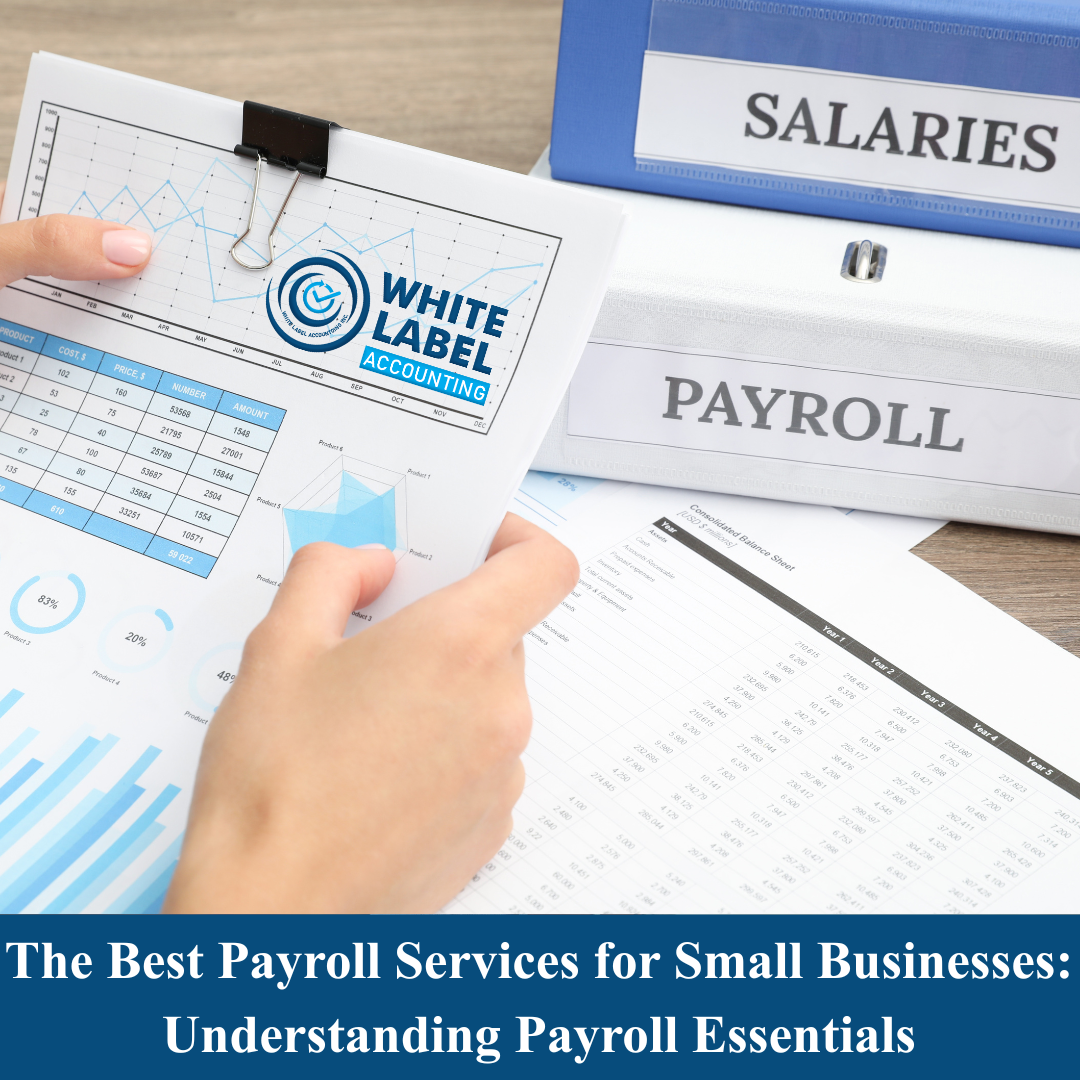
When it comes to managing a small business, effective payroll management is critical. Having a reliable payroll system not only ensures your employees are paid accurately and on time but also helps you maintain compliance with tax laws.
In this blog, we’ll explore the best payroll services for small businesses, explain the difference between net pay and gross pay, and highlight the advantages of using payroll services.
At White Label Accounting, we provide tailored payroll solutions designed to meet the unique needs of small businesses—ensuring smooth operations, compliance, and peace of mind.
A fundamental part of payroll management is understanding the difference between gross pay and net pay.
Gross pay refers to the total amount an employee earns before any deductions. This includes:
Base salary or hourly wages
Overtime pay
Bonuses and commissions
Any additional earnings
Gross pay forms the foundation for calculating taxes, deductions, and employee benefits.
Net pay is the amount employees actually take home after deductions such as:
Federal and state income taxes
Social Security and Medicare contributions
Health insurance premiums
Retirement plan deductions
In short:
Gross Pay = Total earnings before deductions
Net Pay = Take-home pay after deductions
Using a net pay and gross pay calculator can help ensure accuracy and compliance with tax regulations, preventing payroll discrepancies.
Implementing an efficient payroll system offers several benefits for small businesses:
Payroll services help ensure that your business complies with federal, state, and local tax regulations—reducing the risk of costly errors and penalties. Understanding the benefits of payroll tax compliance can protect your business from financial setbacks.
Manual payroll processing can be time-consuming. By outsourcing to professional payroll providers like White Label Accounting, you free up valuable time to focus on growth and core business operations.
Payroll services reduce the risk of errors in calculations, such as when determining the difference between net pay and gross revenue. Accurate payroll fosters trust, transparency, and employee satisfaction.
Partnering with payroll experts provides access to professional insights and knowledge—especially useful when navigating complex tax regulations, employee benefits, and deductions.
Outsourcing payroll can be more affordable than managing it in-house. The benefits of payroll outsourcing include access to advanced payroll software, automated tax filing, and HR tools—without the overhead costs.
When evaluating the best payroll services for small business, consider these key factors:
Scalability: Choose a provider that can grow with your business and easily accommodate additional employees.
Integration: Opt for services that integrate with your existing accounting platforms like ADP or QuickBooks Payroll.
Customer Support: Reliable support is essential. Review advantage payroll customer service ratings to ensure timely assistance.
Features: Look for extra capabilities such as time tracking, benefits administration, direct deposit, and detailed reporting tools.
At White Label Accounting, we understand that efficient payroll management is vital for small business success. From ensuring compliance to improving employee satisfaction, our comprehensive payroll solutions are designed to make your operations smoother and stress-free.
Understanding the difference between gross pay and net pay is key to effective payroll management—and our team is here to guide you every step of the way.
Ready to streamline your payroll process?
Contact White Label Accounting today to learn more about our professional payroll and benefits services. Our dedicated experts will help you navigate payroll complexities—so your business can thrive while you focus on what you do best.
info@whitelabelaccounting.com
www.whitelabelaccounting.com


Copyright © 2025 White Label Accounting Inc. All Rights Reserved | Developed by WITH U Technology Pvt. Ltd.