The rise of e-commerce has transformed how businesses sell products and services worldwide. With online stores reaching customers across multiple states and countries, growth opportunities have expanded rapidly — but so have tax compliance responsibilities.
For many e-commerce businesses, sales tax compliance is one of the most confusing and time-consuming parts of financial management. Different tax laws, changing nexus rules, marketplace regulations, and varying state requirements can create serious operational challenges if not handled properly.
At White Label Accounting, we help online businesses simplify accounting and tax management through scalable and technology-driven financial solutions. Here’s a modern guide to understanding and managing sales tax compliance for e-commerce businesses.
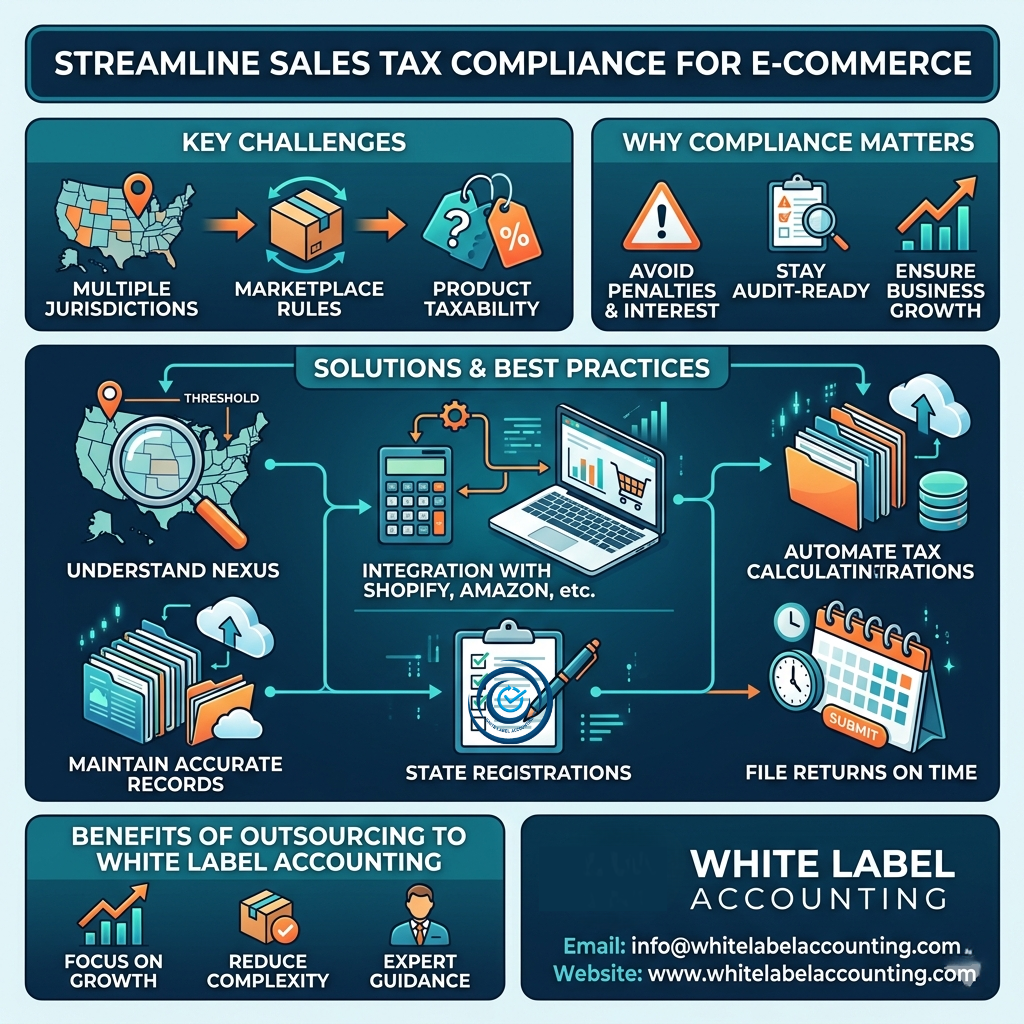
Unlike traditional brick-and-mortar stores, e-commerce businesses often sell in multiple states without having physical locations there. However, many states now require online sellers to collect and remit sales tax once certain sales thresholds are met.
Failure to comply can result in:
Penalties and interest charges
Tax audits
Delayed business expansion
Financial reporting issues
Legal complications
As online commerce continues growing, governments are increasing enforcement and using advanced digital tracking systems to monitor compliance.
Sales tax nexus refers to the connection between your business and a state that creates a tax obligation.
For e-commerce businesses, nexus may be triggered by:
Revenue thresholds
Number of transactions
Inventory stored in warehouses
Third-party fulfillment centers
Remote employees or contractors
Temporary business operations
Economic nexus laws have dramatically changed tax compliance for online sellers in recent years.
Even businesses without physical offices may still owe taxes in multiple states.
The United States alone has thousands of sales tax jurisdictions with different:
Tax rates
Filing frequencies
Product taxability rules
Reporting formats
Keeping up manually becomes difficult as businesses scale.
Online marketplaces such as Amazon, Walmart, and Etsy may collect taxes on behalf of sellers in certain states.
However, businesses may still need to:
Register for sales tax permits
File returns
Report marketplace transactions separately
Many sellers mistakenly assume marketplaces handle everything automatically.
Products and services are not taxed equally across all states.
Examples:
Digital products may be taxable in one state but exempt in another
Clothing exemptions vary
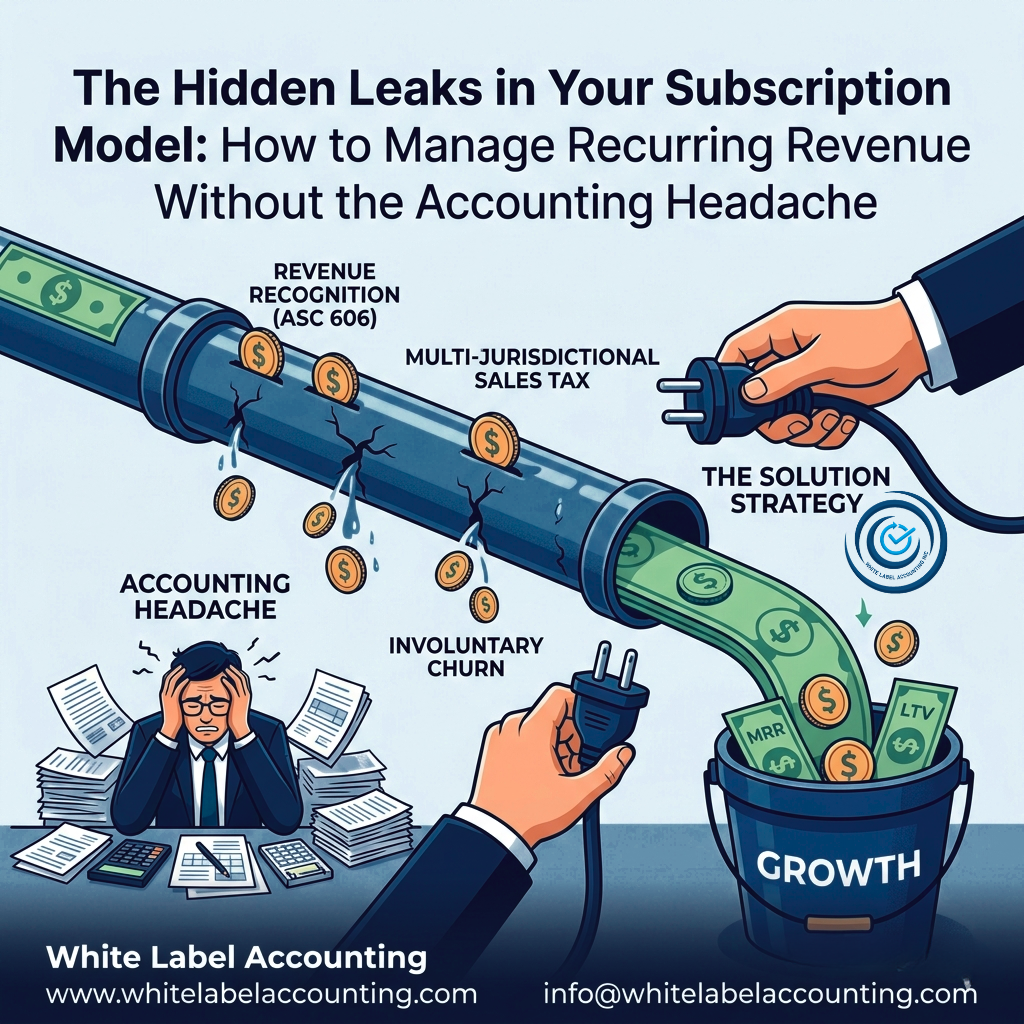
Subscription services have unique tax rules
Food and supplements may receive reduced tax rates
Incorrect product categorization can lead to compliance risks.
Sales tax laws continue evolving due to:
Expanding e-commerce regulations
Digital service taxation
Marketplace legislation
Cross-border online sales growth
Businesses must stay updated to remain compliant.
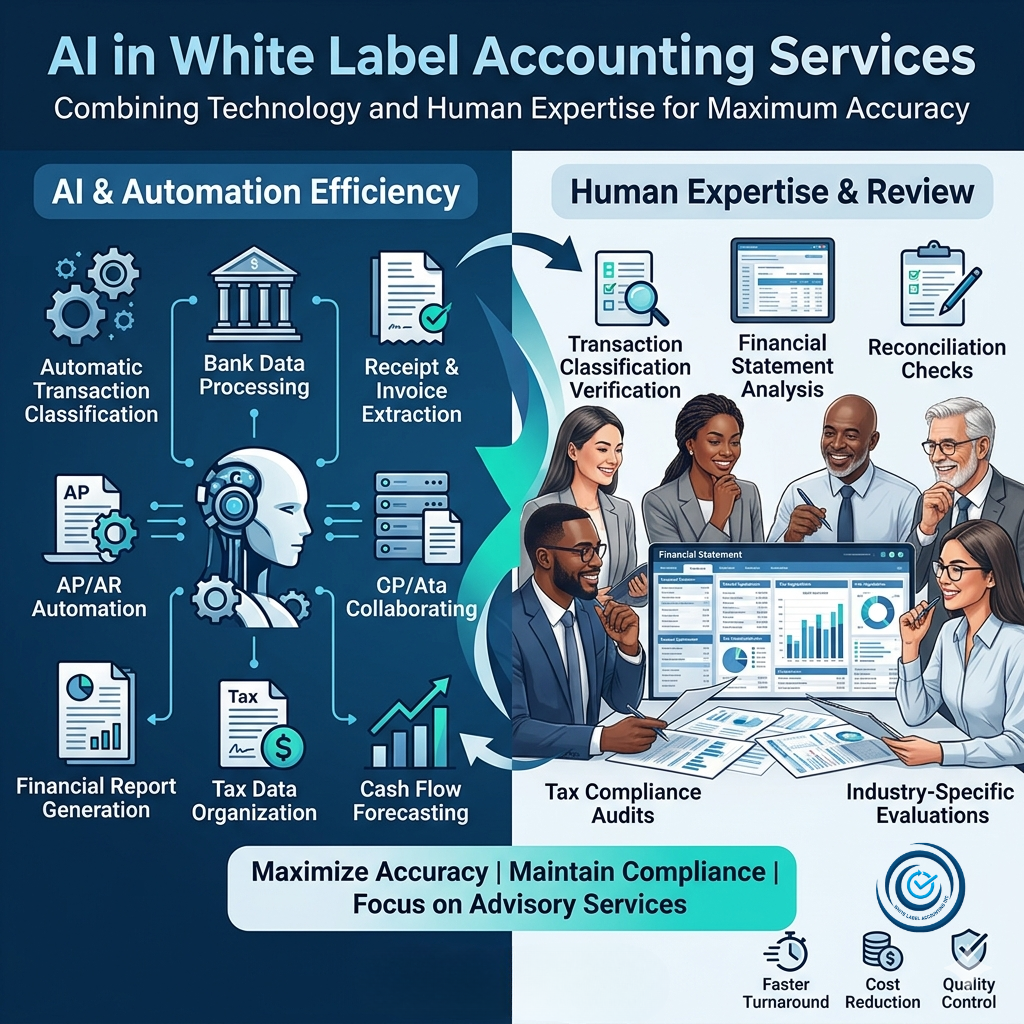
Automation reduces human error and improves efficiency.
Modern tax software can:
Calculate accurate tax rates
Apply local jurisdiction taxes
Track nexus thresholds
Generate filing reports
Integrate with shopping carts and payment systems
Automation is especially valuable for high-volume online sellers.
As revenue grows, businesses may cross new state thresholds without realizing it.
Regular nexus reviews help identify:
New tax obligations
Registration requirements
Filing responsibilities
Compliance exposure
Growing businesses should monitor sales activity monthly or quarterly.
Strong documentation supports smoother compliance and audit readiness.
Businesses should maintain:
Sales records
Customer invoices
Tax filings
Exemption certificates
Marketplace reports
Shipping documentation
Cloud accounting systems simplify record management.
Tracking direct website sales separately from marketplace sales improves:
Reporting accuracy
Tax reconciliation
Filing consistency
Financial analysis
This also helps businesses identify where taxes are being collected automatically versus where manual filing is required.
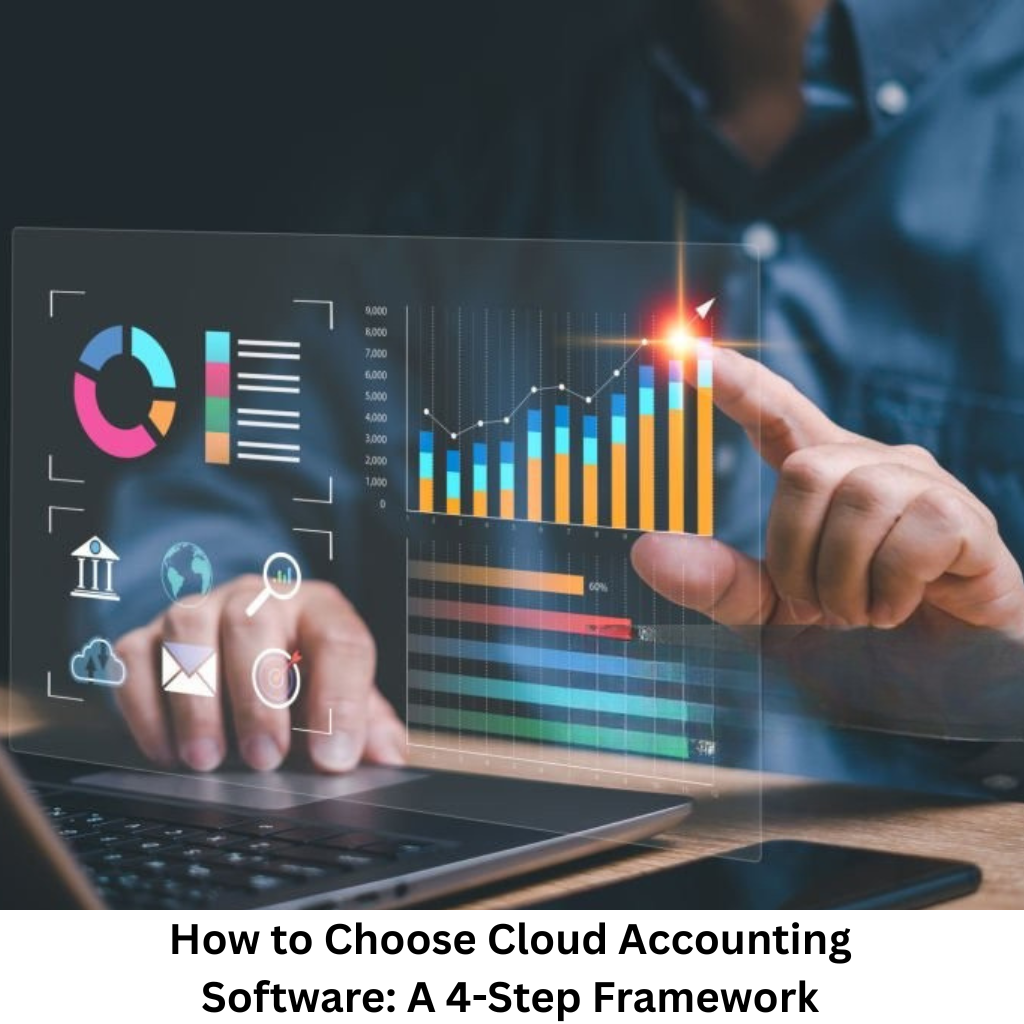
Cloud-based accounting solutions improve visibility and compliance management.
Popular systems often integrate with:
Shopify
WooCommerce
Amazon
Stripe
PayPal
ERP platforms
Integrated systems reduce manual data entry and reporting errors.
As e-commerce operations scale, many businesses outsource tax compliance to reduce complexity and focus on growth.
Professional outsourcing partners can assist with:
Nexus analysis
State registrations
Tax filings
Compliance monitoring
Audit preparation
Financial reporting
Automation setup
At White Label Accounting, we help e-commerce businesses streamline bookkeeping, tax reporting, and multi-state compliance with flexible outsourced accounting solutions.
Successful online businesses often follow these best practices:
Automate repetitive tax tasks
Review nexus exposure frequently
Keep accurate digital records
File taxes on time consistently
Conduct regular compliance audits
Stay informed about tax law changes
Partner with experienced accounting professionals
Proactive compliance management reduces long-term financial risk.
The future of tax compliance is becoming:
More automated
More digital
More real-time
More data-driven
Emerging technologies like AI and cloud accounting are helping businesses:
Detect compliance risks faster
Improve reporting accuracy
Simplify tax calculations
Reduce manual workloads
Businesses that invest early in automation and professional compliance support will be better prepared for future regulatory changes.
Sales tax compliance is no longer just an administrative task for e-commerce businesses — it is a critical part of financial stability and long-term growth.
As online selling expands across multiple jurisdictions, businesses need smarter systems, accurate reporting, and proactive compliance strategies to avoid costly mistakes.
With the right technology and expert support, managing sales tax compliance becomes far more efficient and scalable.
At White Label Accounting, we provide modern accounting and compliance solutions tailored for growing e-commerce businesses looking to simplify operations and scale confidently.


Copyright © 2025 White Label Accounting Inc. All Rights Reserved | Developed by WITH U Technology Pvt. Ltd.