.png)
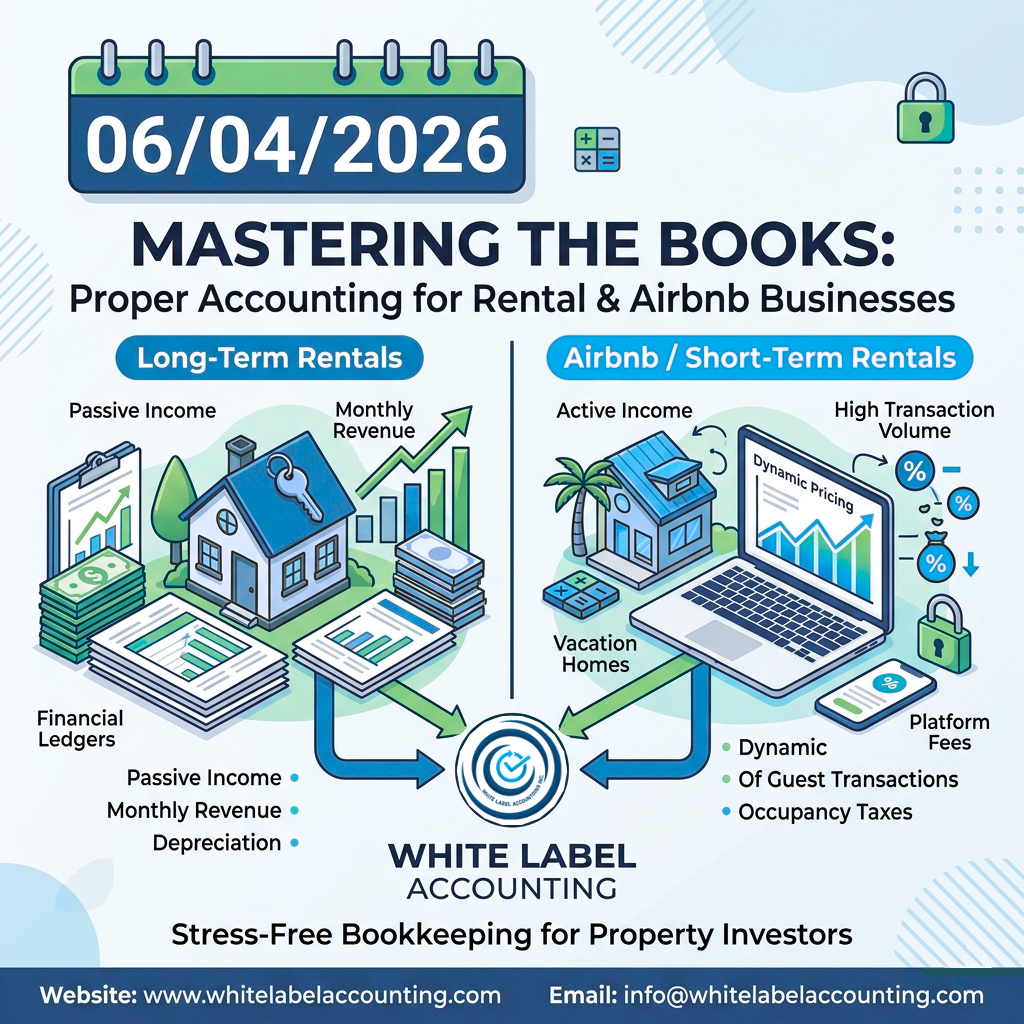
Managing a real estate business requires accurate financial management to ensure profitability, compliance, and sustainable growth. Whether you are a real estate investor, property manager, or developer, proper accounting and bookkeeping are essential for tracking income, managing expenses, and making informed financial decisions.
White Label Accounting specializes in real estate accounting services, offering tailored financial solutions to help businesses maintain organized records, optimize tax planning, and ensure compliance with industry regulations.
Real estate businesses generate revenue through rental income, property sales, lease payments, and commissions—while incurring expenses such as mortgages, maintenance, property taxes, insurance, and utilities. Proper tracking of these transactions is vital for maintaining profitability and financial stability.
How White Label Accounting Helps:
Categorizing income and expenses for tax deductions.
Maintaining detailed records for each property.
Ensuring accurate tracking of management fees, rental deposits, and maintenance costs.
Effective cash flow management is crucial in real estate. Delayed rent payments or missed vendor invoices can create significant financial challenges.
How White Label Accounting Helps:
Managing rental income collections and vendor payments.
Automating invoicing and payment reminders.
Reducing late fees and missed payments through efficient accounts management.
Real estate businesses face complex tax regulations, including property taxes, capital gains, depreciation deductions, and 1031 exchanges. Effective tax planning ensures compliance and maximizes deductions.
How White Label Accounting Helps:
Tracking real estate depreciation schedules to minimize tax liability.
Identifying deductions such as mortgage interest, repairs, and management fees.
Managing property tax filings and compliance with IRS regulations.
Depreciation allows real estate owners to reduce taxable income, but incorrect calculations can cause compliance issues.
How White Label Accounting Helps:
Developing accurate depreciation schedules for rental properties.
Tracking asset values and amortization schedules.
Ensuring compliance with IRS real estate depreciation guidelines.
Monitoring financial performance through income statements, balance sheets, and cash flow reports is essential for making data-driven decisions.
How White Label Accounting Helps:
Preparing customized financial reports for property investments.
Tracking key metrics like Net Operating Income (NOI), Return on Investment (ROI), and cash flow.
Providing budgeting strategies for property development and maintenance.
A 1031 exchange allows investors to defer capital gains taxes when reinvesting property sale proceeds into similar assets.
How White Label Accounting Helps:
Managing financial documentation for 1031 exchanges.
Ensuring capital gains are properly recorded in tax filings.
Structuring real estate transactions to minimize tax burdens.
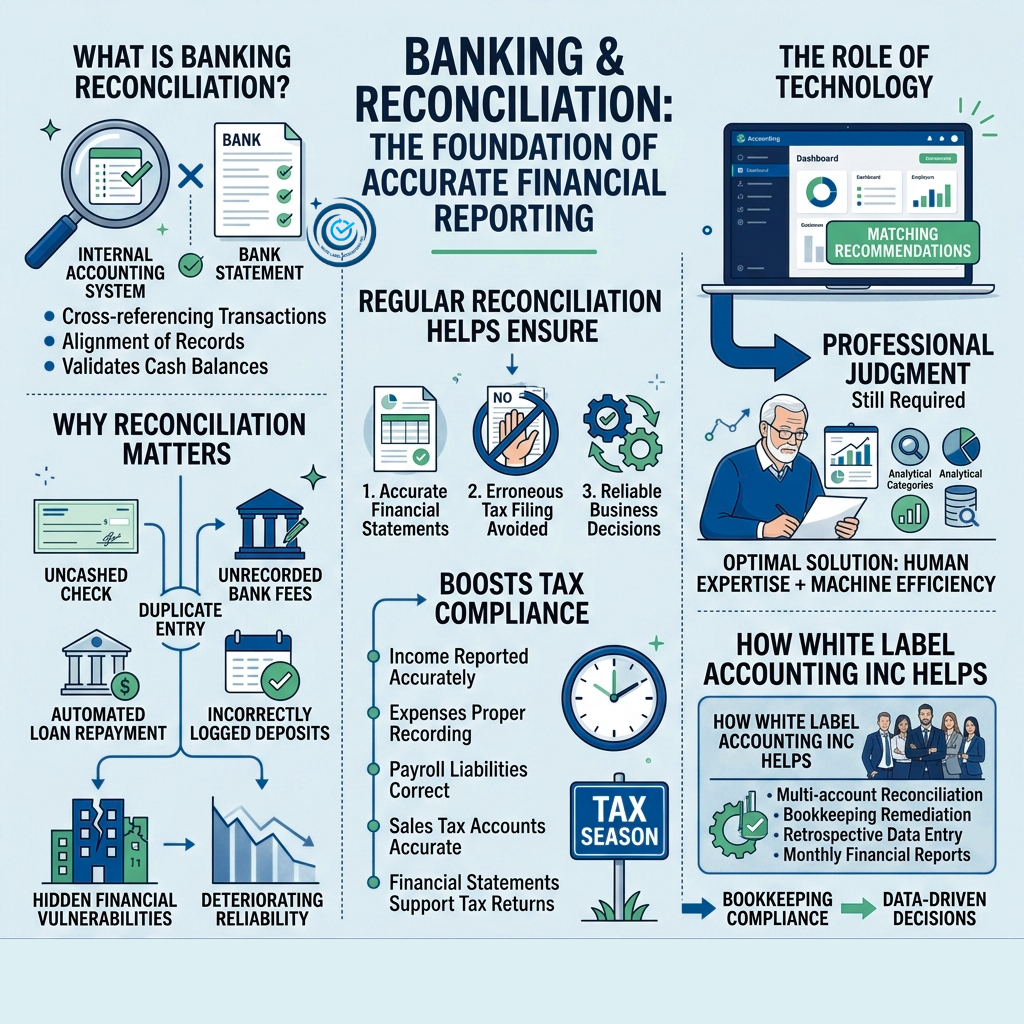
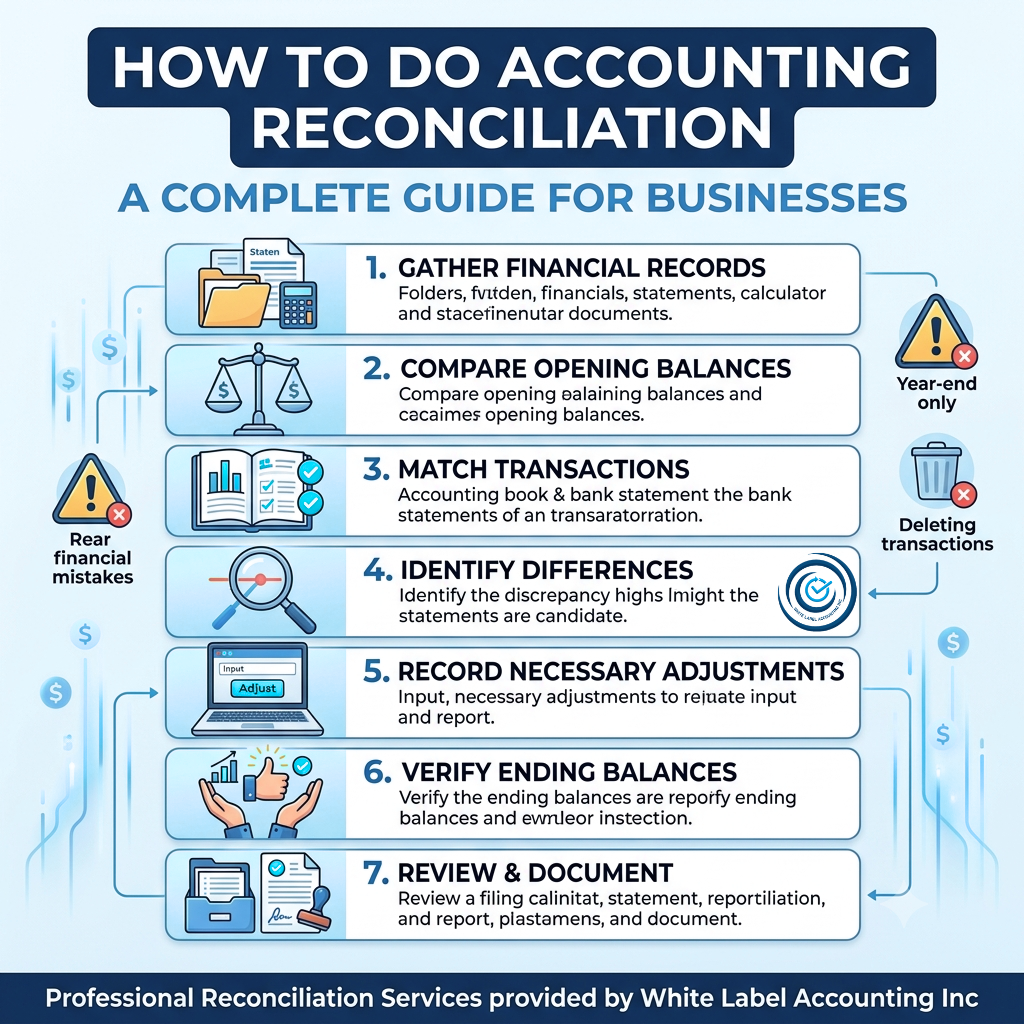
Reconciling financial records with bank statements helps prevent errors and detect fraud early.
How White Label Accounting Helps:
Conducting monthly bank reconciliations.
Identifying and resolving discrepancies.
Ensuring mortgage payments, rental deposits, and maintenance expenses are accurately recorded.
Property managers handle multiple tenants, leases, and maintenance expenses—requiring detailed financial tracking.
How White Label Accounting Helps:
Managing tenant rent payments, lease agreements, and security deposits.
Creating detailed financial reports for property owners and investors.
Automating property management accounting workflows.
White Label Accounting provides specialized real estate accounting and financial review services to ensure accurate bookkeeping, efficient tax planning, and improved financial management.
Bookkeeping & Financial Record-Keeping: Tracking income, expenses, and property transactions.
Tax Preparation & Compliance: Optimizing tax deductions, tracking depreciation, property taxes, and capital gains.
Financial Statement Preparation: Generating reports on property income, cash flow, and financial performance.
Accounts Payable & Receivable Management: Monitoring tenant payments, vendor invoices, and contractor costs.
Bank Reconciliation & Financial Audits: Ensuring accuracy in bank and credit card transactions.
Budgeting & Financial Forecasting: Creating financial plans for real estate investments and development projects.
Real Estate Expertise: Specialized in real estate accounting and financial management.
Customized Solutions: Tailored services based on your business structure and needs.
Technology-Driven Approach: Integrated with QuickBooks, Xero, and other cloud-based accounting tools.
Compliance & Accuracy: Financial records aligned with IRS and GAAP standards.
Dedicated Support: Ongoing guidance and proactive tax-saving strategies.
Accounting and bookkeeping are the foundation of a successful real estate business. Whether you manage rental properties, develop real estate projects, or invest in commercial assets, partnering with White Label Accounting ensures accuracy, compliance, and tax efficiency.
Contact White Label Accounting today to streamline your real estate bookkeeping, financial review, and tax planning—so you can focus on growing your property portfolio with confidence.



Copyright © 2025 White Label Accounting Inc. All Rights Reserved | Developed by WITH U Technology Pvt. Ltd.