In an era where businesses are navigating uncertainty, rapid growth, and constant competition, budgeting is no longer just a financial exercise—it’s a strategic necessity. A well-crafted budget acts as a roadmap, guiding decisions, controlling costs, and unlocking sustainable growth. Yet, many businesses either overlook budgeting or approach it as a one-time annual task, missing its true potential.
An effective budget is more than a spreadsheet filled with numbers. It’s a dynamic plan that reflects your business goals, market conditions, and operational realities. It helps you anticipate challenges, allocate resources wisely, and stay financially resilient.
Without a clear budget, even profitable businesses can face cash flow issues, overspending, or missed opportunities.
Before diving into numbers, define what you want your business to achieve. Are you aiming for expansion, improving profitability, or stabilizing operations? Your budget should align directly with these goals.
For instance, a growth-focused business may allocate more funds toward marketing and hiring, while a stability-focused company might prioritize cost control and debt reduction.
Your historical financial data is one of the most valuable tools in creating an accurate budget. Review previous income statements, expenses, and cash flow trends to identify patterns.
Look for:
Seasonal fluctuations
Recurring expenses
Areas of overspending
Revenue growth trends
This insight allows you to make realistic projections instead of relying on guesswork.
One of the most common budgeting mistakes is overestimating revenue. While optimism drives business growth, your budget should remain grounded.
Use data-driven forecasting and consider external factors like market trends, competition, and economic conditions. A conservative revenue estimate ensures you’re prepared for uncertainties and reduces financial risk.
Break down your expenses into fixed and variable costs:
Fixed Costs: Rent, salaries, subscriptions
Variable Costs: Marketing, utilities, logistics
Once categorized, prioritize essential expenses that keep your business running. This clarity helps in identifying areas where costs can be optimized without affecting performance.
No business environment is static. Unexpected expenses, market shifts, or new opportunities can arise at any time. An effective budget is flexible enough to adapt.
Set aside a contingency fund to handle unforeseen costs without disrupting operations. Flexibility ensures your business remains agile and prepared.
Profitability does not always equal liquidity. Many businesses fail due to poor cash flow management despite being profitable on paper.
Track your cash inflows and outflows regularly to ensure you have enough liquidity to meet obligations. A strong cash flow strategy keeps your business stable and stress-free.
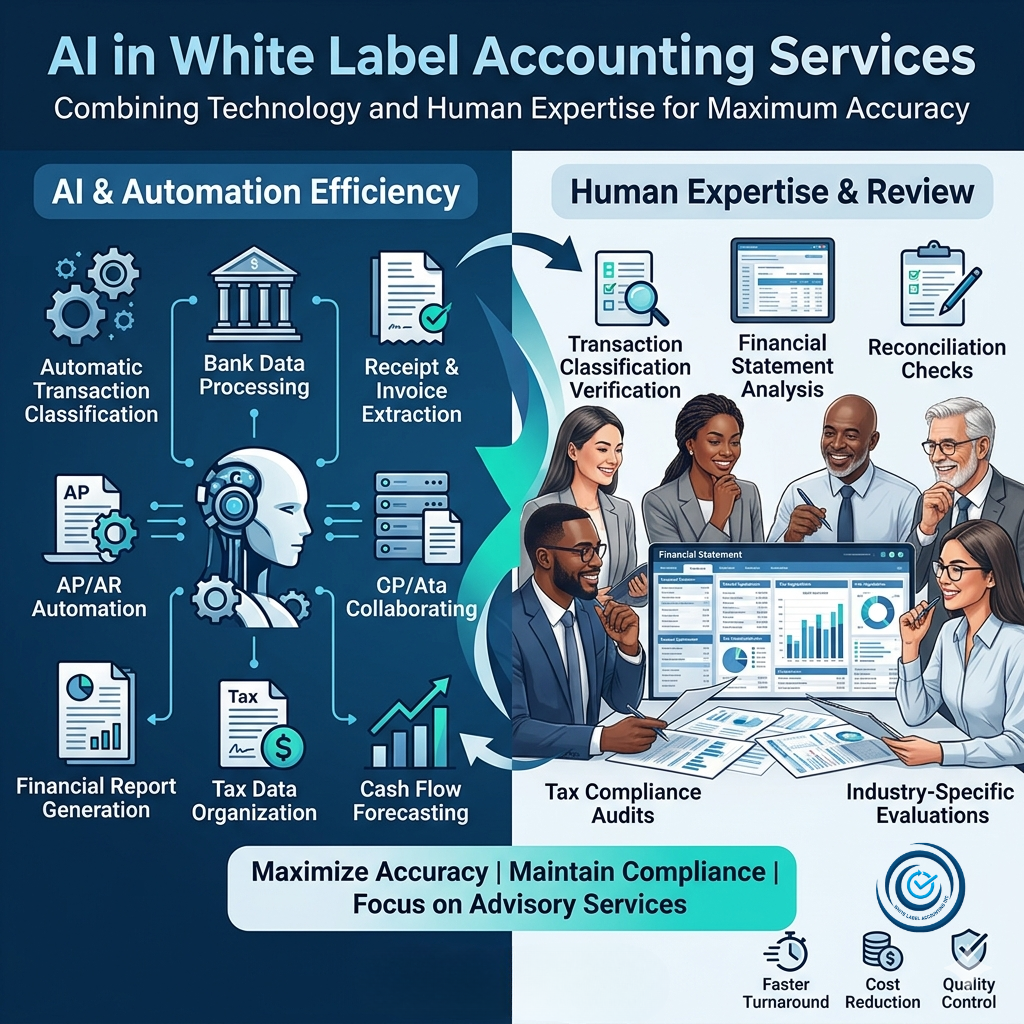
Modern businesses are increasingly using accounting software and outsourcing solutions to streamline budgeting. These tools provide real-time insights, reduce manual errors, and improve accuracy.
Partnering with experts can also bring valuable financial guidance, helping you create a budget that aligns with industry standards and compliance requirements.
A budget should never be static. Regular reviews—monthly or quarterly—help you compare actual performance with projections.
Ask yourself:
Are we overspending in certain areas?
Is revenue meeting expectations?
Do we need to reallocate resources?
Continuous adjustments ensure your budget remains relevant and effective.
An effective budget doesn’t just control spending—it empowers growth. It gives business owners clarity, confidence, and control over financial decisions. With the right approach, budgeting becomes a powerful tool that drives efficiency, profitability, and long-term success.
Creating a business budget is not about restricting your operations—it’s about enabling smarter decisions. When done right, it provides a clear financial direction, minimizes risks, and opens doors to new opportunities.
For modern businesses aiming to stay competitive and financially strong, budgeting isn’t optional—it’s essential.
Copyright © 2025 White Label Accounting Inc. All Rights Reserved | Developed by WITH U Technology Pvt. Ltd.