.png)
As the end of the financial year approaches and tax season draws near, many small business owners face a familiar and stressful challenge—catch-up bookkeeping. Falling behind on your financial records can quickly turn into a compliance nightmare if not handled on time.
If your books are months (or even years) behind, you’re not alone. Catch-up bookkeeping is one of the most common accounting issues businesses face. The good news? With the right approach and expert support from White Label Accounting, you can get fully caught up before tax deadlines—accurately and stress-free.
Catch-up bookkeeping involves updating and correcting your financial records for periods that were previously neglected. This can include missed weeks, months, or even multiple years of transactions.
Recording missed income and expenses
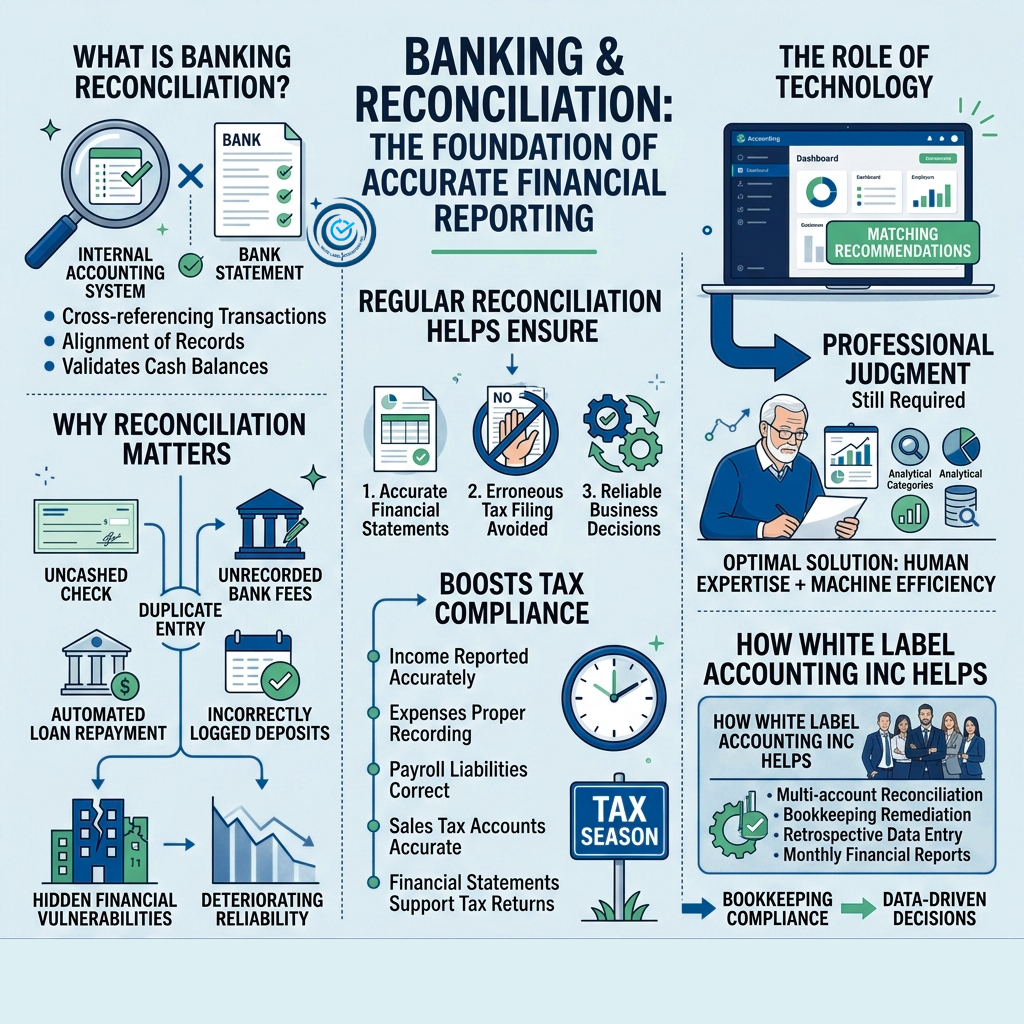
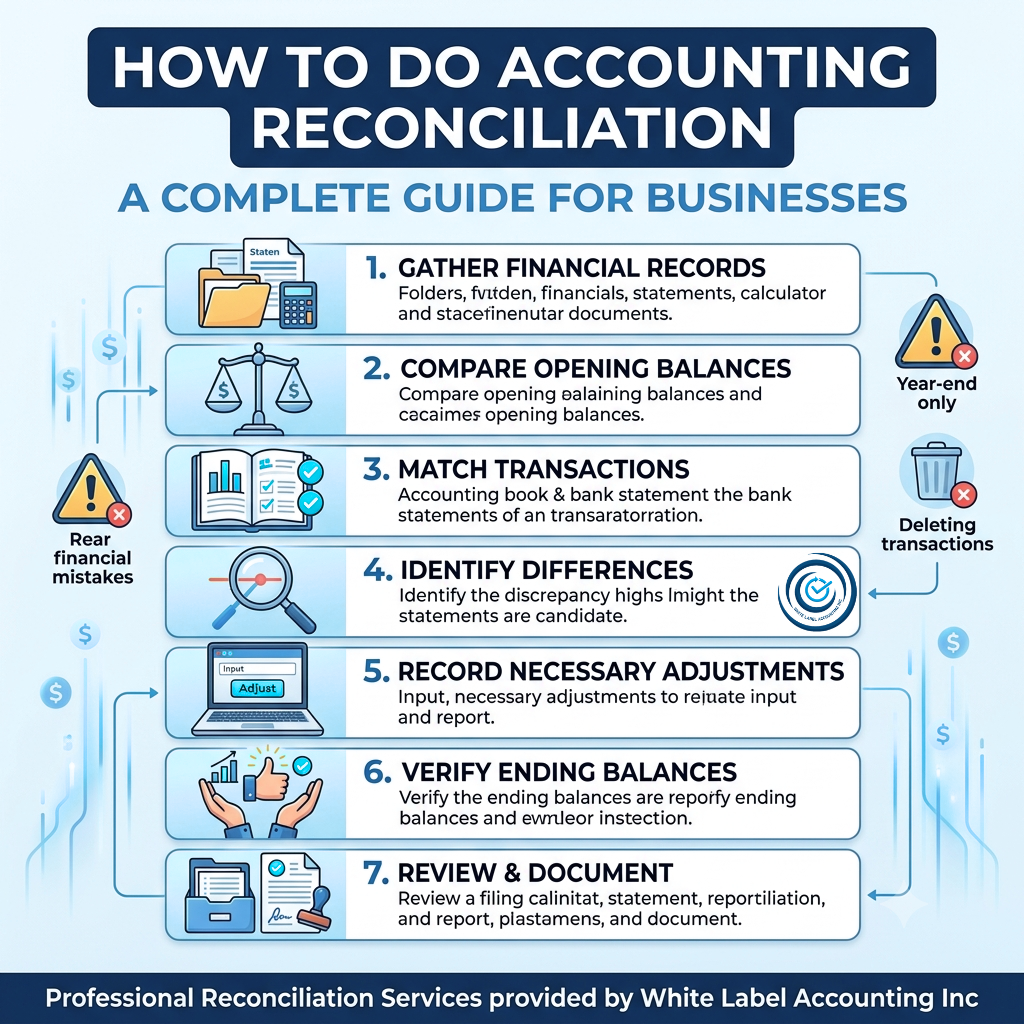
Reconciling bank and credit card statements
Organizing invoices and receipts
Verifying payroll, tax, and compliance records
Ensuring GST/VAT and tax filings match your books
? Maximize Tax Deductions – Accurate books ensure no eligible deductions are missed
? Avoid Penalties & Interest – Late or incorrect filings can lead to heavy fines
? Audit Protection – Clean records safeguard you during tax audits
? Accurate Cash Flow Forecasting – Helps plan future expenses and investments
? Measure Profitability & Business Growth – Know exactly where your business stands
? Increase Lender & Investor Confidence – Well-organized books enhance credibility
Here’s a proven framework for managing catch-up bookkeeping efficiently:
Collect:
Bank & credit card statements
Receipts & supplier invoices
Payroll reports
Loan and lease agreements
Match each transaction in your accounting system with bank and credit card records.
Record all unaccounted revenue, expenses, payroll, and reimbursements.
Correct expense classification ensures smoother tax preparation and reporting.
Confirm accurate accounts receivable and payable balances.
If you’re overwhelmed or short on time, White Label Accounting specializes in professional catch-up bookkeeping services designed to get your books tax-ready—fast and accurately.
? Expert Accountants – Skilled in handling historical data across industries
? Fast Turnaround – Advanced accounting tools for quick reconciliation
? Customized Solutions – Tailored services based on your business size and needs
? Accurate Tax-Ready Books – Reduced risk of penalties and audits
? Ongoing Bookkeeping Support – We help you stay organized year-round
With your records fully updated before tax season, you’ll file with confidence, improve financial clarity, and potentially lower your tax liability.
Tax season arrives faster than you think. The longer you delay, the harder and costlier catch-up bookkeeping becomes.
With White Label Accounting, you don’t just catch up—you stay ahead.
???? Schedule your consultation today and let our experts:

Copyright © 2025 White Label Accounting Inc. All Rights Reserved | Developed by WITH U Technology Pvt. Ltd.