Behind every successful business is a strong financial reporting system. While many companies focus heavily on sales, marketing, and operations, financial reports often become an afterthought — until cash flow problems, unexpected expenses, or tax issues arise.
Modern businesses need more than just basic bookkeeping. They need clear, accurate, and timely financial reports that provide valuable insights into profitability, performance, and future growth opportunities.
At White Label Accounting, we understand that financial reporting is not just about numbers — it’s about making smarter business decisions. In this blog, we’ll explore the essential financial reports every business should regularly monitor and why they matter.
Financial reports act as the foundation of business decision-making. They help business owners:
Monitor company performance
Track profitability
Manage cash flow
Identify financial risks
Improve budgeting
Support tax compliance
Attract investors and lenders
Plan future growth strategies
Without proper reporting, businesses often operate blindly, making decisions based on assumptions instead of real financial data.
The Profit and Loss Statement, commonly known as the P&L statement, is one of the most critical financial reports for any business.
It shows:
Revenue
Cost of goods sold
Operating expenses
Gross profit
Net profit
This report helps businesses understand whether they are generating profits or losses over a specific period.
A P&L statement allows business owners to:
Analyze profitability trends
Control operating expenses
Measure business performance
Make pricing decisions
Improve operational efficiency
Regular review of profit and loss reports helps businesses identify opportunities to increase profitability and reduce unnecessary spending.
The balance sheet provides a snapshot of your company’s financial health at a specific point in time.
It includes:
Assets
Liabilities
Equity
This report helps businesses understand what they own, what they owe, and the overall value of the company.
A balance sheet is essential for:
Evaluating financial stability
Managing debt levels
Monitoring liquidity
Supporting loan applications
Attracting investors
Strong balance sheet management helps businesses maintain long-term financial sustainability.
Cash flow is the lifeline of every business. Even profitable companies can fail if they run out of cash.
The Cash Flow Statement tracks:
Operating cash flow
Investing activities
Financing activities
This report shows how money moves in and out of the business.
Cash flow reports help businesses:
Avoid cash shortages
Plan future expenses
Improve working capital management
Prepare for seasonal fluctuations
Make informed investment decisions
Understanding cash flow is essential for maintaining day-to-day operations and financial stability.
This report tracks unpaid customer invoices and outstanding balances.
It categorizes receivables based on how long invoices remain unpaid, such as:
Current
30 days overdue
60 days overdue
90+ days overdue
The Accounts Receivable Aging Report helps businesses:
Improve collections
Monitor customer payment behavior
Reduce bad debt risk
Strengthen cash flow management
Businesses that actively monitor receivables typically maintain healthier cash flow and fewer collection issues.
The Accounts Payable Report tracks money owed to vendors and suppliers.
It helps businesses manage:
Upcoming payments
Vendor obligations
Payment schedules
Outstanding liabilities
This report supports:
Better vendor relationships
Timely payments
Improved cash management
Expense planning
Efficient accounts payable management helps businesses avoid late fees and maintain strong supplier partnerships.
A Budget vs. Actual Report compares planned financial performance against actual business results.
It highlights:
Revenue variances
Expense differences
Profitability gaps
Operational inefficiencies
This report helps businesses:
Evaluate financial performance
Improve forecasting accuracy
Adjust business strategies quickly
Control overspending
Companies that regularly review budget performance can make faster and smarter financial decisions.
Modern businesses increasingly rely on Key Performance Indicator (KPI) reports to measure success.
Common financial KPIs include:
Gross profit margin
Net profit margin
Current ratio
Customer acquisition cost
Revenue growth
EBITDA
KPI reports provide real-time insights into business performance and help leadership teams focus on measurable goals.
At White Label Accounting, we provide businesses with accurate, timely, and customized financial reporting solutions designed to support growth and operational efficiency.
Our services include:
Bookkeeping and accounting
Monthly financial reporting
Cash flow analysis
Budgeting and forecasting
Accounts receivable management
Accounts payable support
Financial performance analysis
We help businesses transform financial data into actionable business intelligence.
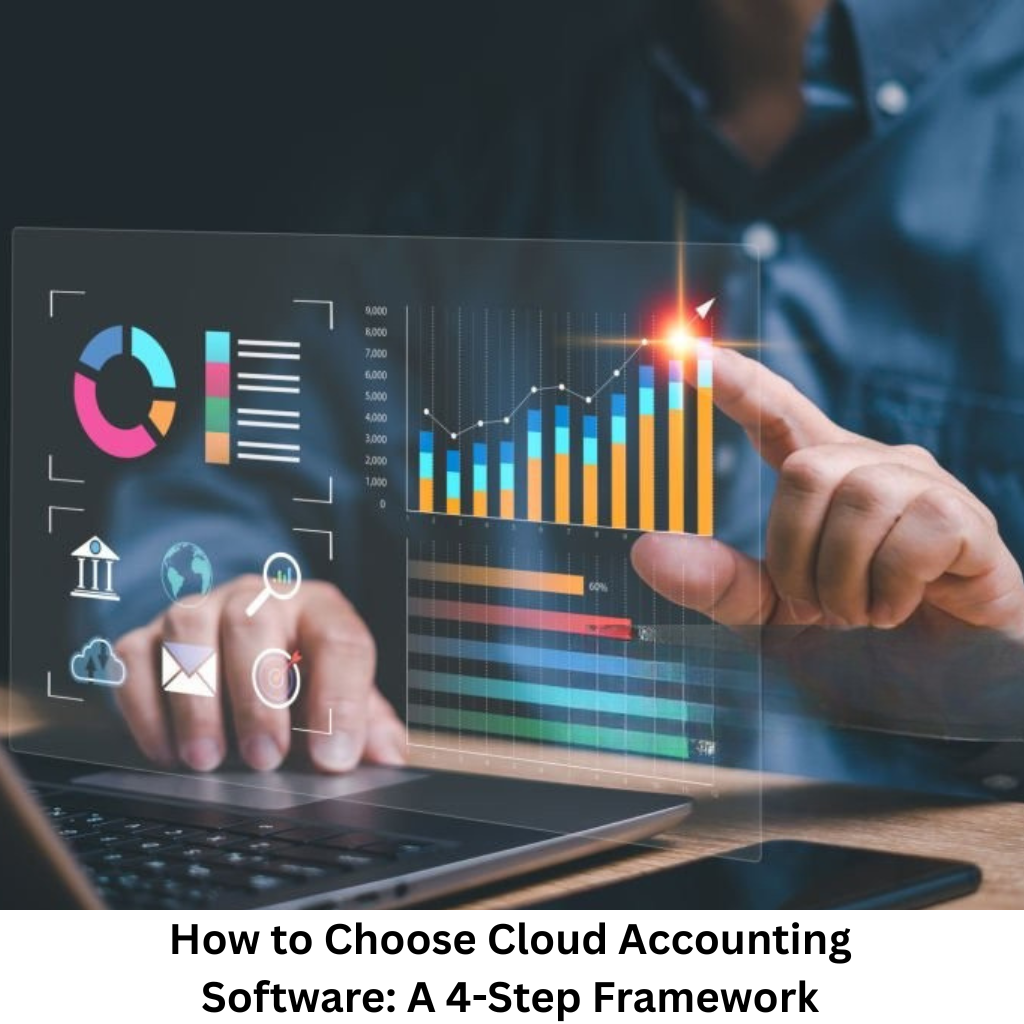
Modern financial reporting is evolving rapidly with automation, cloud accounting, and real-time analytics.
Businesses now expect:
Faster reporting cycles
Real-time dashboards
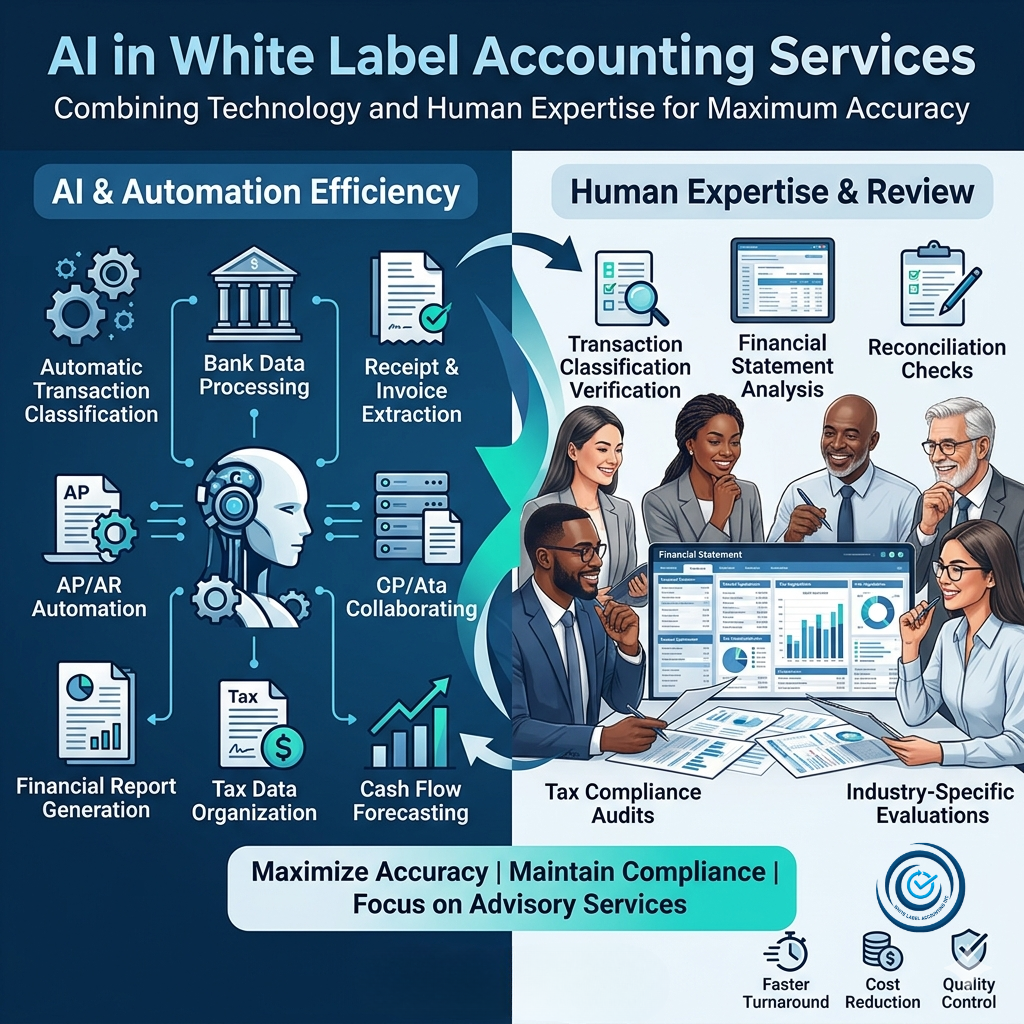
AI-powered insights
Cloud-based accessibility
Improved financial transparency
Companies that invest in modern financial reporting systems gain a significant competitive advantage in today’s fast-moving business environment.
Financial reports are more than accounting documents — they are strategic tools that guide business growth and financial success. From cash flow management to profitability analysis, the right reports help businesses make confident and informed decisions.
By partnering with White Label Accounting, businesses can gain access to professional financial reporting solutions that improve visibility, strengthen compliance, and support long-term growth.
Learn more about expert accounting and reporting services at White Label Accounting


Copyright © 2025 White Label Accounting Inc. All Rights Reserved | Developed by WITH U Technology Pvt. Ltd.