Launching a startup is exciting—but managing finances behind the scenes is what truly determines long-term success. Bookkeeping might not be the most glamorous part of building a business, yet it’s the backbone of informed decision-making, investor confidence, and sustainable growth.
In today’s fast-moving digital landscape, startups need more than just basic accounting—they need smart, agile, and scalable bookkeeping practices.
Let’s dive into the modern best practices every startup should adopt from day one.
Messy books in the early stages can snowball into major financial confusion later. Many startups delay proper bookkeeping until it becomes unavoidable—often when problems have already surfaced.
Best practice:
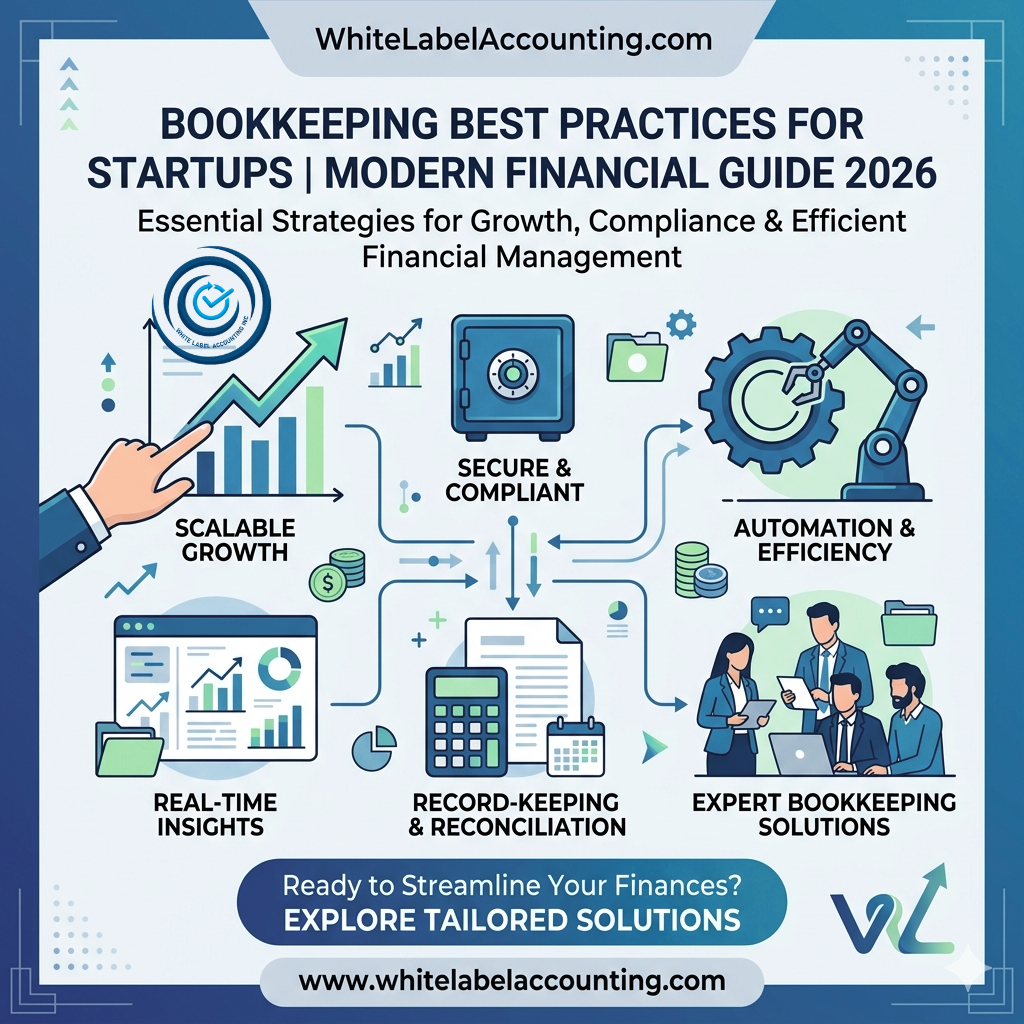
Set up a structured bookkeeping system right from the start. Define categories, chart of accounts, and workflows clearly to avoid future chaos.
Blurring the lines between personal and business transactions is one of the most common startup mistakes.
Best practice:
Open a dedicated business bank account and use it exclusively for company transactions. This simplifies tracking, reporting, and tax compliance.
Modern startups thrive on efficiency and accessibility. Traditional bookkeeping methods can slow you down and increase error risks.
Best practice:
Use cloud accounting software to track transactions in real time, automate entries, and collaborate with your team or accountants from anywhere.
Small expenses often go unnoticed—but they add up quickly and can significantly impact your financial clarity.
Best practice:
Record all expenses consistently, no matter how minor. This ensures accurate financial reports and helps identify unnecessary spending.
Irregular bookkeeping leads to incomplete data and last-minute stress during audits or tax filing.
Best practice:
Schedule weekly or bi-weekly bookkeeping reviews. Consistency keeps your financial data accurate and up to date.
Profit is important—but cash flow is what keeps your startup alive.
Best practice:
Track incoming and outgoing cash regularly. Forecast future cash flow to avoid shortages and make proactive financial decisions.
Manual data entry is time-consuming and prone to errors—something startups can’t afford.
Best practice:
Automate invoicing, expense tracking, payroll, and bank reconciliations to save time and improve accuracy.
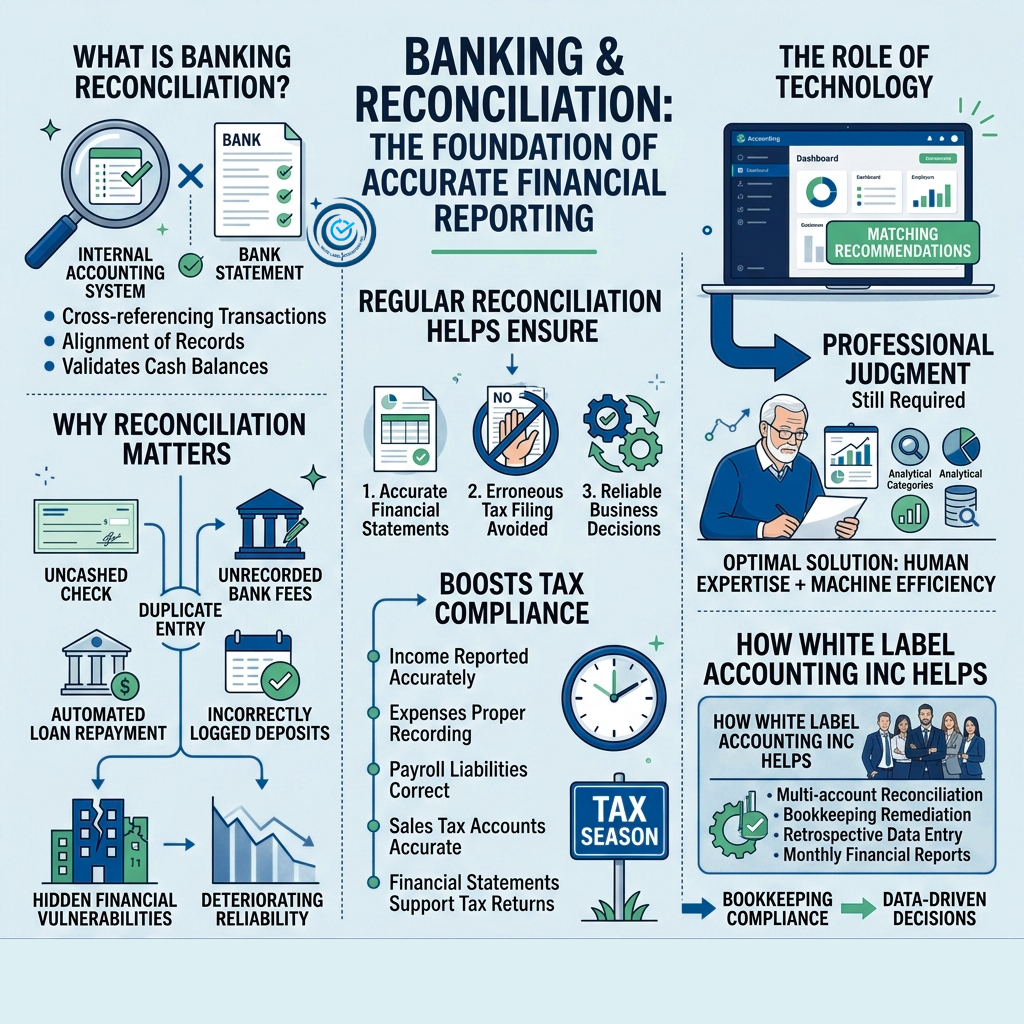
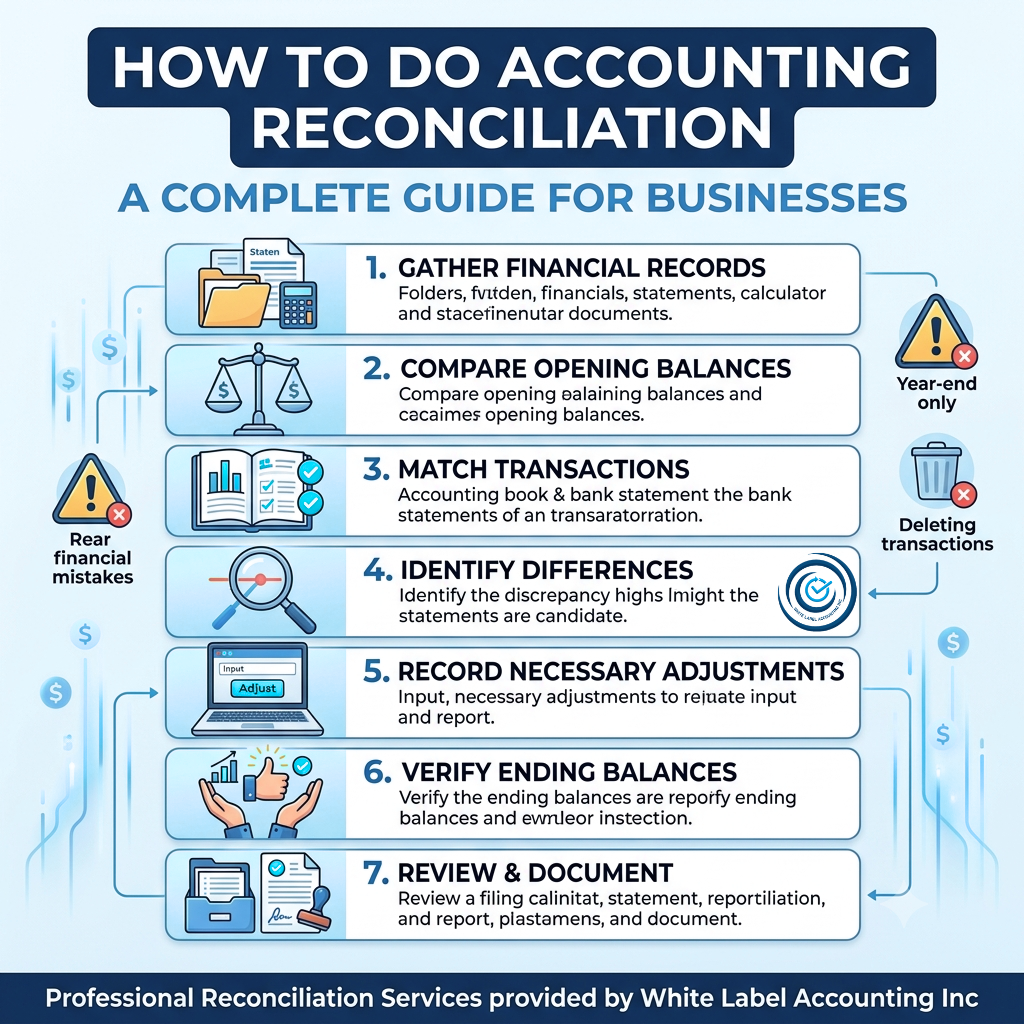
Skipping reconciliations can lead to discrepancies that are difficult to fix later.
Best practice:
Match your bank statements with your books monthly to ensure all transactions are recorded correctly.
Tax season should never be a surprise. Poor preparation can lead to penalties and missed deductions.
Best practice:
Keep tax-related documents organized and review your tax position regularly to avoid last-minute issues.
As your startup grows, bookkeeping can become complex and time-consuming.
Best practice:
Partner with professional bookkeeping services to ensure accuracy, compliance, and scalability while you focus on core business activities.
Numbers alone don’t drive decisions—insights do.
Best practice:
Generate key reports like profit & loss statements, balance sheets, and cash flow reports regularly. Use them to guide strategic planning and growth.
Bookkeeping is more than just recording transactions—it’s about building a financial system that supports your startup’s vision. By adopting these best practices early, you create a strong operational foundation, reduce risks, and unlock better decision-making.
In a competitive startup ecosystem, clarity in finances is a powerful advantage.
Ready to streamline your startup bookkeeping?
Visit www.whitelabelaccounting.com to explore scalable, efficient, and expert-driven accounting solutions tailored for modern businesses.




Copyright © 2025 White Label Accounting Inc. All Rights Reserved | Developed by WITH U Technology Pvt. Ltd.