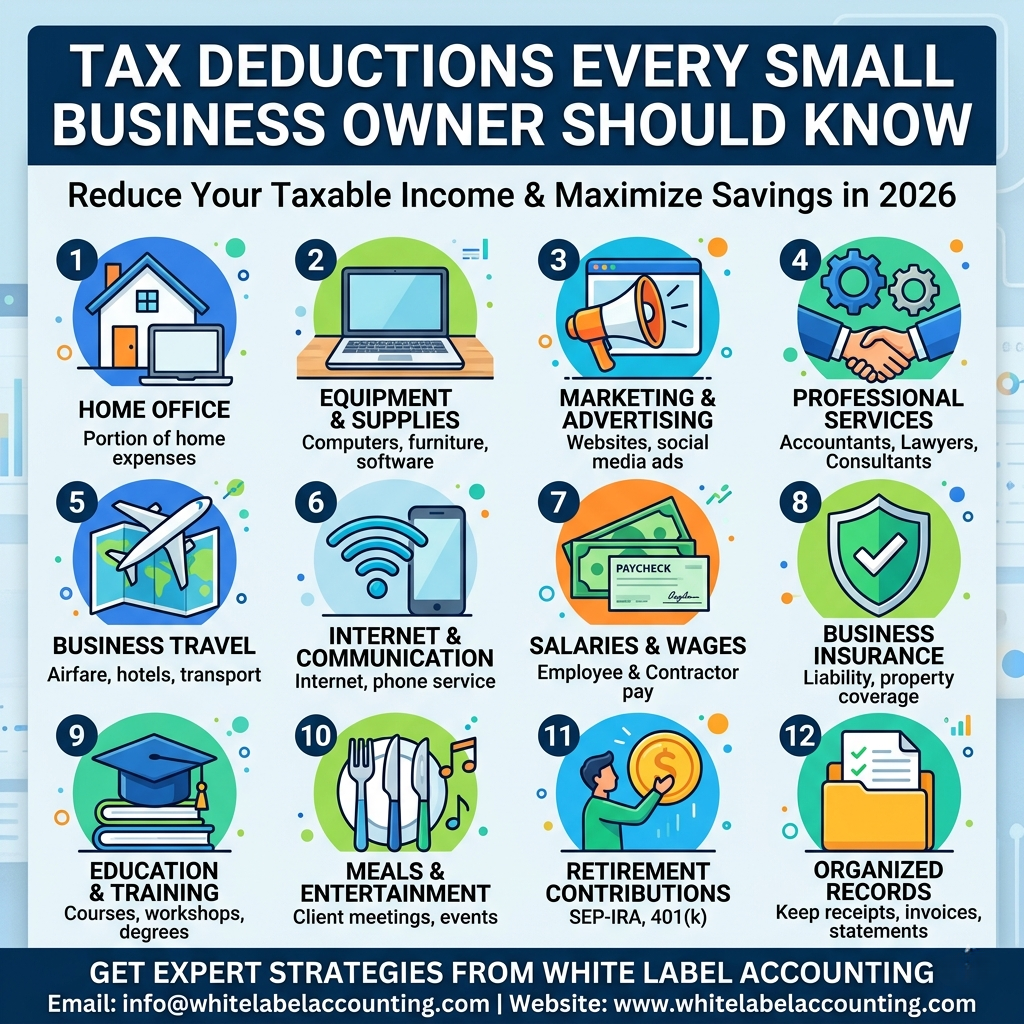
Managing a small business requires balancing many responsibilities, from operations and customer service to marketing and finances. Among these tasks, understanding tax deductions is one of the most powerful ways to improve profitability.
Many entrepreneurs focus on generating revenue but overlook legitimate expenses that can reduce their taxable income. When claimed correctly, tax deductions can significantly lower a business’s tax burden and free up valuable resources for reinvestment.
As tax regulations continue to evolve in 2026, staying informed about deductible business expenses is essential for maintaining financial efficiency and compliance.
This guide highlights key tax deductions that every small business owner should understand.
Tax deductions allow businesses to subtract eligible expenses from their total income before calculating taxes. The result is a lower taxable income and reduced tax liability.
For small businesses, this can lead to meaningful financial advantages, including:
Lower overall tax payments
Improved cash flow management
Increased funds available for reinvestment
Better financial transparency
Reduced risk of compliance issues
Strategic tax planning throughout the year ensures businesses maximize these opportunities.
Businesses that maintain a workspace — whether a commercial office or a dedicated home workspace — may qualify for deductions related to operational costs.
Typical deductible workspace expenses may include:
Office rent or lease payments
Electricity, water, and other utilities
Internet services
Office maintenance and repairs
Property-related expenses
For entrepreneurs who operate from home, a portion of household expenses may also be deductible if the area is used exclusively for business purposes.
Technology plays a crucial role in modern business operations. Equipment purchased for business use can often be deducted as a capital expense.
Examples include:
Computers and laptops
Printers and scanners
Business software subscriptions
Office desks and chairs
Storage devices and technical equipment
Depending on applicable tax rules, some purchases may be deducted immediately while others may be depreciated over time.
Marketing is essential for building brand awareness and attracting new customers. Fortunately, most marketing-related expenditures qualify as deductible business expenses.
These may include:
Website design and hosting
Digital advertising campaigns
Search engine marketing
Social media advertising
Brand design and creative services
Printing promotional materials
Investing in marketing not only supports business growth but also contributes to lowering taxable income.
Many small businesses rely on outside experts to support financial, legal, and operational decisions. Fees paid to professionals are generally tax deductible.
Examples include:
Accounting and bookkeeping services
Legal consultation
Business advisory services
IT support and system maintenance
Marketing consultants
Professional guidance can also help identify additional deductions that business owners may otherwise miss.
Travel expenses related directly to business activities are often deductible when properly documented.
Common examples include:
Airfare or train tickets
Accommodation during business trips
Transportation services or vehicle rentals
Conference registration fees
Business-related meals and meetings
However, it is important that the primary purpose of the trip is business-related rather than personal.
Reliable communication tools are essential for modern businesses. Many communication-related expenses qualify as deductible operational costs.
These may include:
Business phone plans
Internet subscriptions
Video conferencing tools
Cloud communication platforms
If a device or service is used for both personal and business purposes, only the business-use portion should be deducted.
Businesses that employ staff or hire freelancers can deduct the cost of labor as part of their operating expenses.
Eligible deductions may include:
Employee salaries and wages
Performance bonuses
Payments to independent contractors
Payroll taxes and benefits contributions
These deductions reflect the real cost of building and maintaining a productive team.
Insurance plays a vital role in protecting a business from financial risk. Many business-related insurance premiums qualify as deductible expenses.
Common deductible policies include:
General liability insurance
Professional liability insurance
Commercial property insurance
Workers’ compensation coverage
Cybersecurity or data protection policies
Insurance expenses provide both operational security and tax advantages.
Investing in education helps entrepreneurs and employees stay competitive in their industry. Many learning-related expenses can be deducted if they directly support business operations.
Examples include:
Industry certification programs
Business workshops and seminars
Professional training courses
Online learning platforms
Skill development programs
Continuous learning improves performance while also offering tax-saving opportunities.
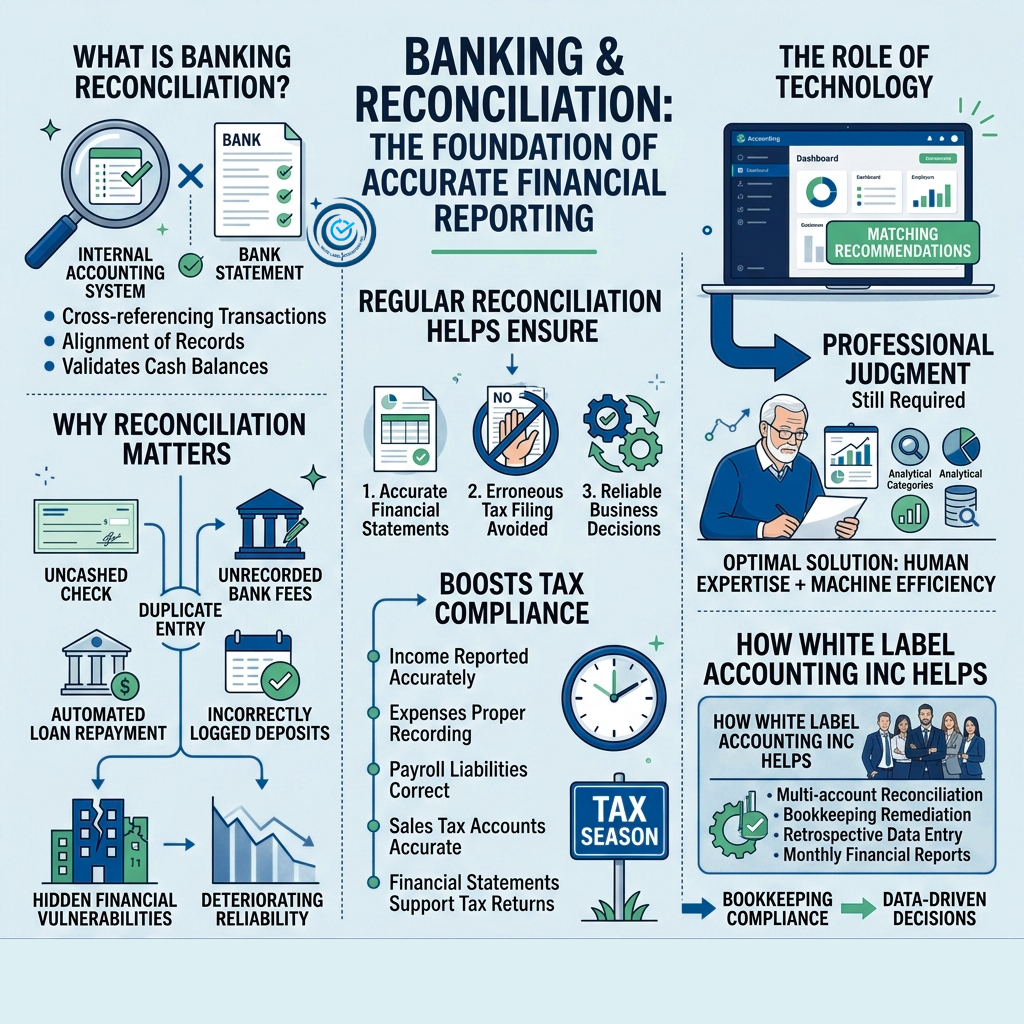
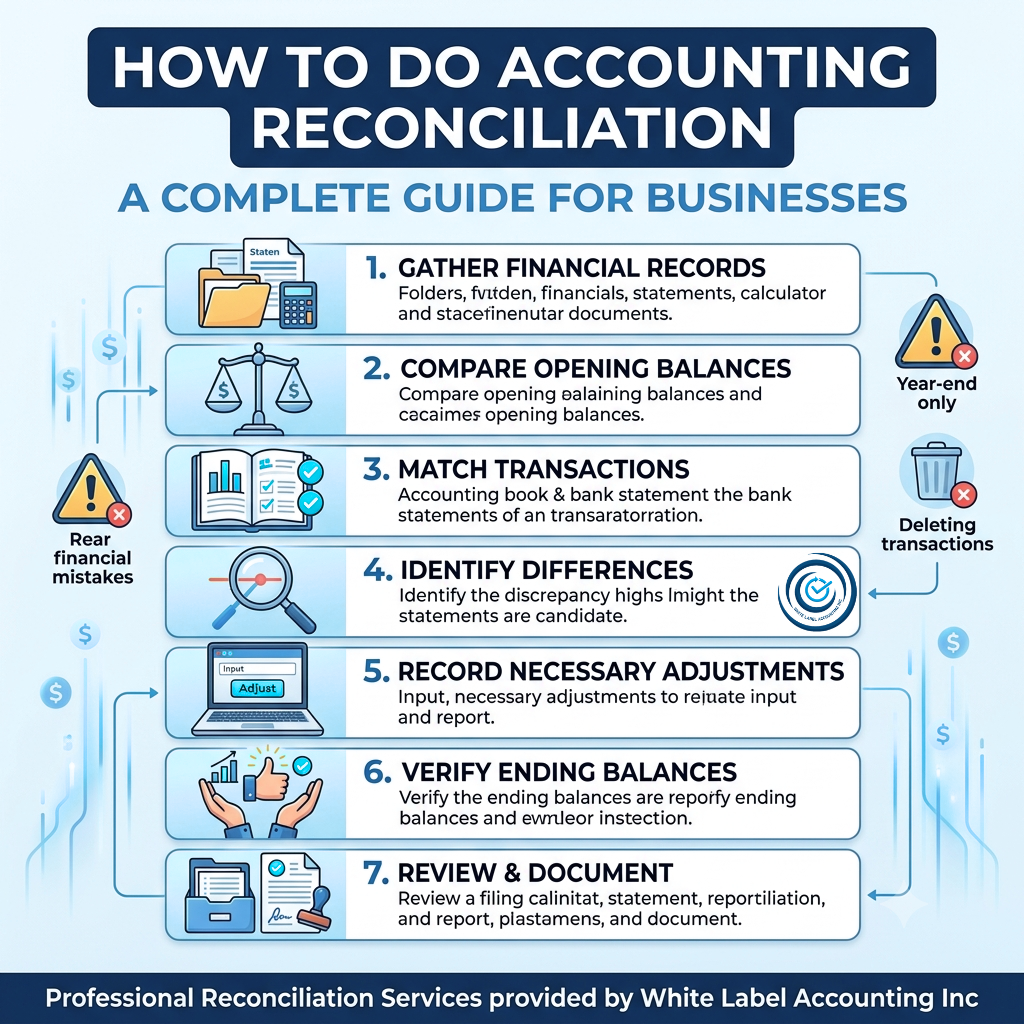
To claim tax deductions successfully, businesses must maintain proper records. Accurate documentation is essential in case of tax reviews or audits.
Best practices include:
Keeping receipts for all expenses
Maintaining organized digital records
Tracking invoices and payments
Using accounting software for financial reporting
Conducting regular bookkeeping reviews
Well-maintained financial records ensure that all deductions are properly supported and compliant with tax regulations.
Tax deductions are one of the most effective tools small business owners can use to improve financial efficiency. By identifying and claiming eligible expenses — from equipment purchases to professional services — businesses can significantly reduce their tax burden.
However, tax laws can be complex and may change frequently. Partnering with experienced accounting professionals ensures that every deduction is properly documented and applied according to current regulations.
At White Label Accounting, we help businesses simplify their financial processes, maintain compliance, and uncover opportunities to maximize tax savings. With the right guidance and proactive planning, small businesses can turn tax management into a strategic advantage for long-term growth.


Copyright © 2025 White Label Accounting Inc. All Rights Reserved | Developed by WITH U Technology Pvt. Ltd.