Management reports are one of the most powerful tools for making informed business decisions. Yet, many business owners and managers receive these reports every month without fully understanding what the numbers actually mean. Instead of being used as strategic guides, they often become documents that are quickly reviewed and filed away.
Learning how to read and interpret management reports can transform the way you run your business. These reports provide insights into performance, financial health, profitability, and operational efficiency. When used correctly, they can help business leaders identify problems early, uncover growth opportunities, and make smarter financial decisions.
For firms and accounting professionals working with partners like White Label Accounting, management reports become even more valuable because they provide clear, structured insights that support better decision-making.
Management reports are internal financial reports designed to help business leaders evaluate the performance of their organization. Unlike standard financial statements created mainly for external stakeholders or compliance purposes, management reports focus on practical insights and operational clarity.
They typically include financial summaries, performance metrics, trend analysis, and key indicators that help managers understand how the business is performing.
These reports are usually prepared monthly, quarterly, or annually, depending on the organization’s reporting needs.
To understand management reports effectively, it’s important to recognize the key sections they usually contain.
The Profit and Loss (P&L) section shows how much revenue the business generated and how much it spent during a specific period.
This section helps answer important questions such as:
Is the business profitable?
Are expenses increasing faster than revenue?
Which areas generate the most income?
By comparing the current period with previous periods, managers can identify trends and adjust strategies accordingly.
Revenue analysis breaks down where the company’s income is coming from. This could include:
Product or service categories
Sales channels
Customer segments
Geographic markets
Understanding revenue sources helps businesses focus on their most profitable areas while improving or eliminating underperforming segments.
Expense reports categorize spending across different areas such as operations, marketing, payroll, administration, and technology.
When reviewing this section, managers should look for:
Unusual increases in spending
Cost patterns over time
Areas where operational efficiency can improve
Monitoring expenses carefully ensures that resources are used wisely.
Cash flow shows how money moves in and out of the business. Even profitable companies can struggle if their cash flow is poorly managed.
A cash flow overview helps answer questions like:
Does the business have enough liquidity to cover expenses?
Are customers paying invoices on time?
Are there periods where cash shortages may occur?
Understanding cash flow helps business leaders plan for upcoming financial obligations.
KPIs highlight the most important metrics used to measure success. These indicators vary depending on the industry but often include:
Gross profit margin
Operating margin
Customer acquisition cost
Revenue growth rate
Average transaction value
These metrics provide quick insights into whether the business is moving in the right direction.
Reading management reports is more than simply looking at numbers. It requires understanding the story behind the data.
Instead of focusing only on the current month, compare performance across multiple periods. This helps identify patterns such as seasonal trends, consistent growth, or emerging financial issues.
Many management reports include budget comparisons. This shows whether the company is performing better or worse than expected.
Large variances should always be investigated to understand their cause.
Not every number in a report carries the same importance. Identify the metrics that most impact your business goals and monitor them regularly.
Management reports should encourage discussion and analysis. If something looks unusual, investigate further rather than ignoring it.
Businesses that actively use management reports gain several advantages:
Better decision-making – Leaders can rely on accurate financial data instead of assumptions.
Improved financial control – Regular reporting helps track spending and maintain profitability.
Strategic planning – Reports highlight opportunities for expansion, cost savings, or operational improvements.
Early problem detection – Financial challenges can be identified before they become serious issues.
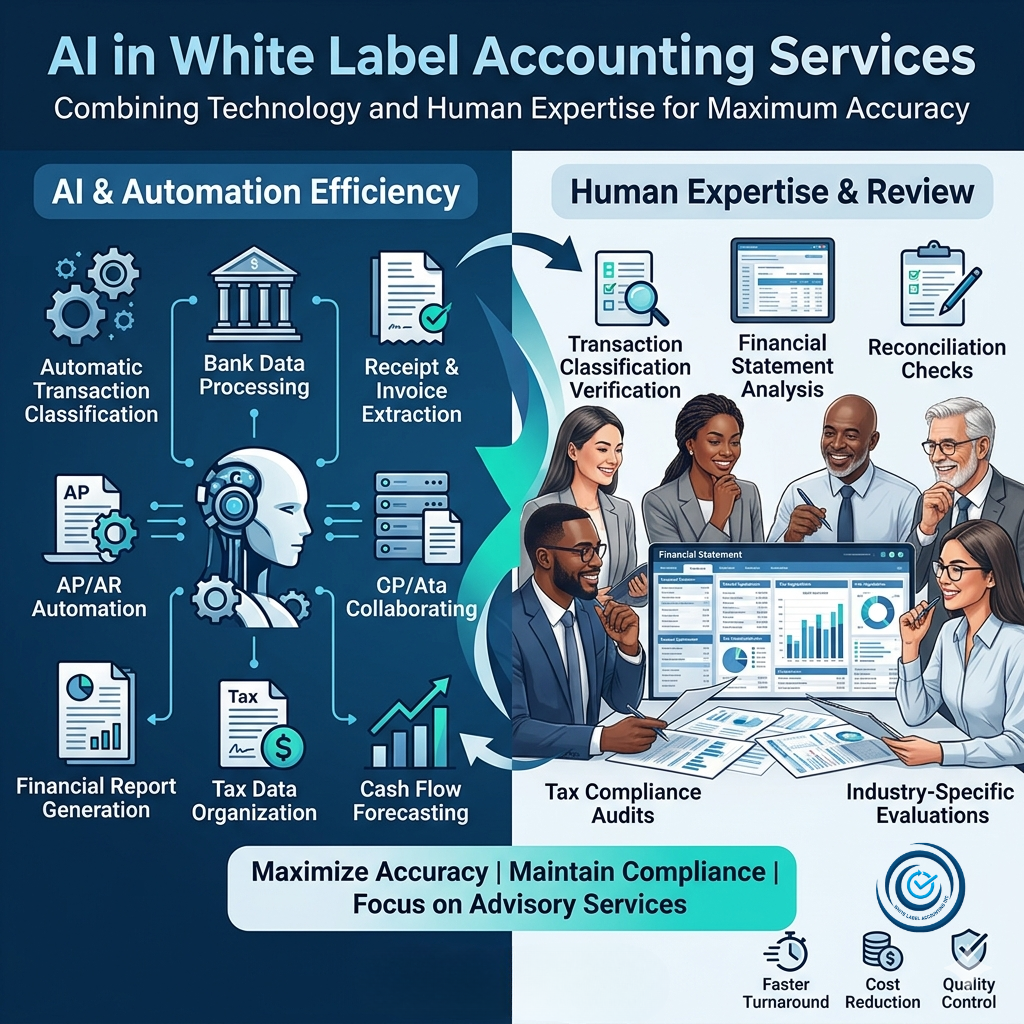
For many accounting firms, preparing detailed management reports for clients can be time-consuming. Partnering with White Label Accounting allows firms to deliver high-quality financial insights without increasing internal workload.
By outsourcing accounting processes and reporting tasks, firms can provide clients with timely, accurate, and actionable management reports that help them make confident business decisions.
This approach enables accountants to focus on advisory services while ensuring clients receive clear financial visibility.
Management reports are far more than financial summaries—they are strategic tools that help guide business growth. When managers understand how to interpret these reports, they gain deeper insights into their company’s financial performance and operational efficiency.
By focusing on trends, key metrics, and financial patterns, business leaders can turn raw numbers into meaningful strategies that drive long-term success.
With the right reporting systems and expert support from partners like White Label Accounting, businesses and accounting firms can unlock the full value of their management reports and make smarter decisions every day.


Copyright © 2025 White Label Accounting Inc. All Rights Reserved | Developed by WITH U Technology Pvt. Ltd.