Tax season can be stressful for small business owners, especially when financial records are scattered, deadlines are approaching, and regulations seem complex. However, with the right preparation and systems in place, tax season doesn’t have to be overwhelming. Instead, it can become an opportunity to review your financial health, optimize deductions, and plan for future growth.
By adopting proactive tax preparation strategies, small businesses can reduce errors, minimize liabilities, and stay fully compliant with tax regulations. Below are essential tips to help small businesses prepare effectively and navigate tax season with confidence.
One of the most common challenges during tax season is disorganized financial data. Waiting until the last minute to gather receipts, invoices, and financial statements often leads to mistakes and missed deductions.
To stay prepared:
Maintain digital records of all transactions
Organize receipts and expense documents monthly
Keep invoices and payment records updated
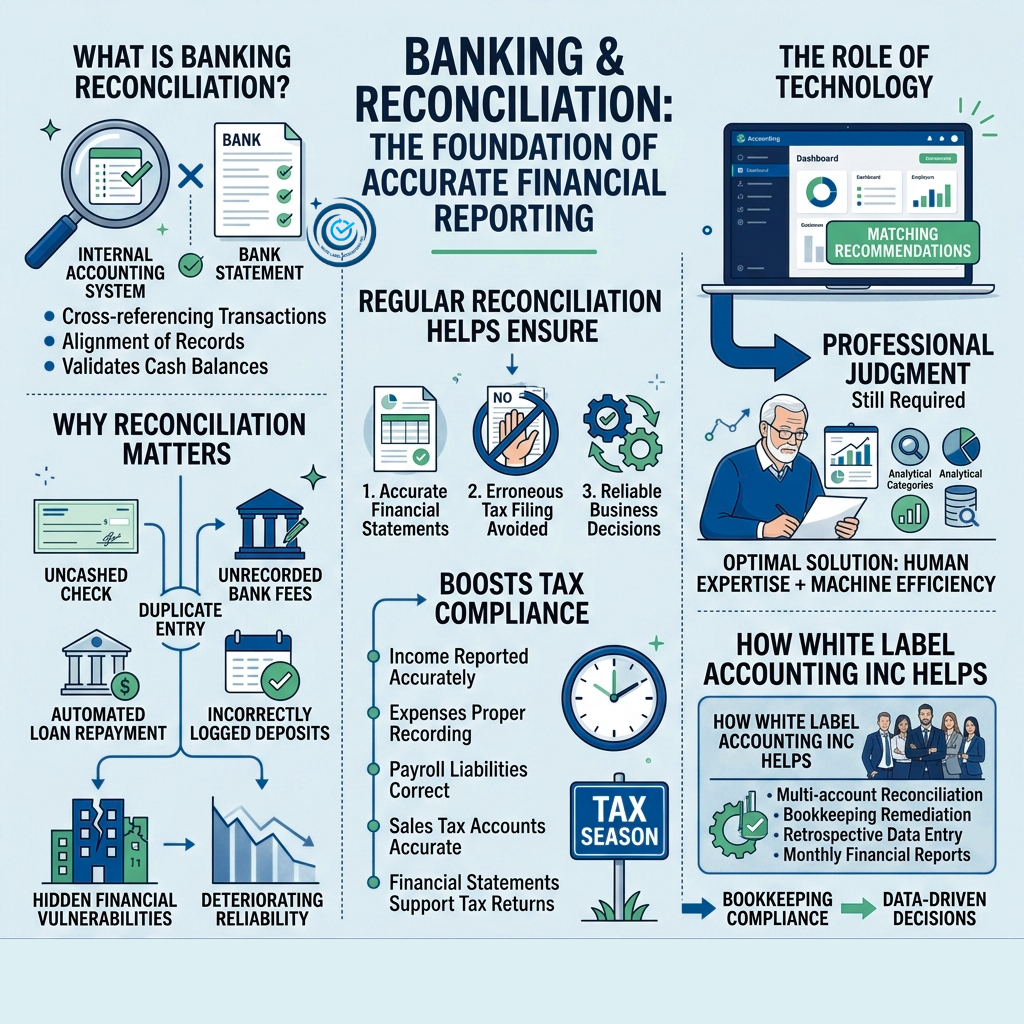
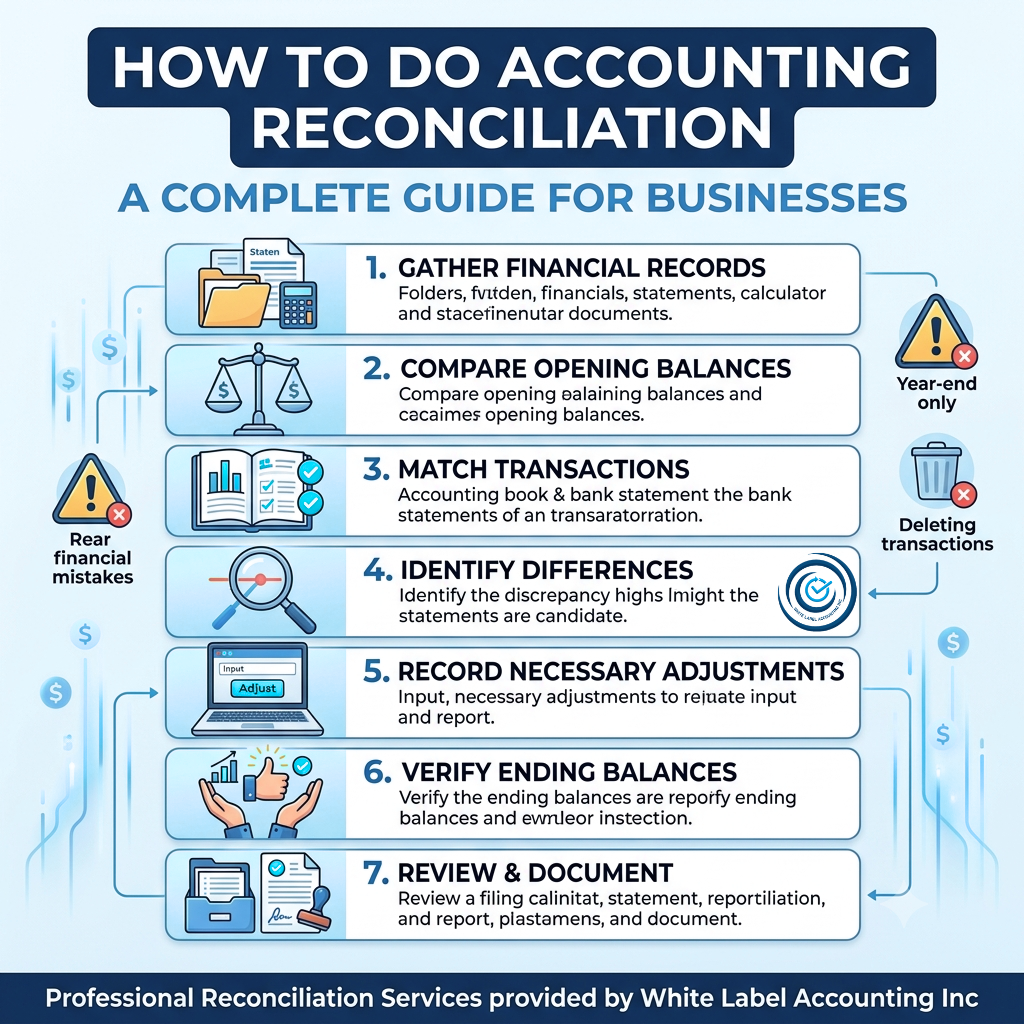
Reconcile bank and credit card statements regularly
A well-organized financial system saves time and makes tax filing much smoother.
Before filing taxes, it’s important to review your income streams and business expenses. This step ensures accuracy and helps identify potential deductions.
Common deductible expenses include:
Office rent or workspace costs
Business software and subscriptions
Marketing and advertising expenses
Professional services and consulting fees
Travel and operational expenses
Tracking these categories throughout the year ensures nothing is overlooked during tax filing.
Small businesses often miss out on valuable deductions simply because they are unaware of them. Understanding eligible deductions can significantly reduce your overall tax liability.
Examples may include:
Home office deductions
Equipment purchases
Business vehicle usage
Employee salaries and benefits
Training and development expenses
Consulting with accounting professionals can help identify deductions specific to your industry.
Many small business owners make the mistake of mixing personal and business finances. This can create confusion during tax preparation and increase the risk of compliance issues.
Best practices include:
Maintain a separate business bank account
Use dedicated business credit cards
Record business transactions independently
This separation ensures clear financial reporting and easier tax calculations.
Tax laws and regulations change frequently, and staying informed is essential for compliance. Small businesses should remain aware of:
New tax policies
Filing deadlines
Industry-specific tax rules
Changes in deduction limits
Failing to keep up with updates could lead to penalties or missed opportunities for savings.
Accurate financial statements are the foundation of successful tax preparation. Before filing taxes, ensure your business has updated:
Profit and Loss Statement
Balance Sheet
Cash Flow Statement
These documents provide a complete overview of your financial performance and support accurate tax reporting.
Tax preparation can be time-consuming and complex, especially for growing businesses. Partnering with experienced accounting professionals helps ensure accuracy, compliance, and efficiency.
Professional support offers benefits such as:
Accurate financial recordkeeping
Identification of tax-saving opportunities
Compliance with tax regulations
Reduced risk of errors and penalties
At White Label Accounting, we support accounting firms and businesses with reliable financial services that simplify tax preparation and improve reporting accuracy.
Preparing for tax season should not be a last-minute scramble. With organized financial records, a clear understanding of deductions, and professional support when needed, small businesses can approach tax season with confidence.
Proper preparation not only reduces stress but also helps businesses maximize savings, maintain compliance, and build a stronger financial foundation for the future.
By taking proactive steps today, small businesses can transform tax season into an opportunity for smarter financial management and sustainable growth.


Copyright © 2025 White Label Accounting Inc. All Rights Reserved | Developed by WITH U Technology Pvt. Ltd.