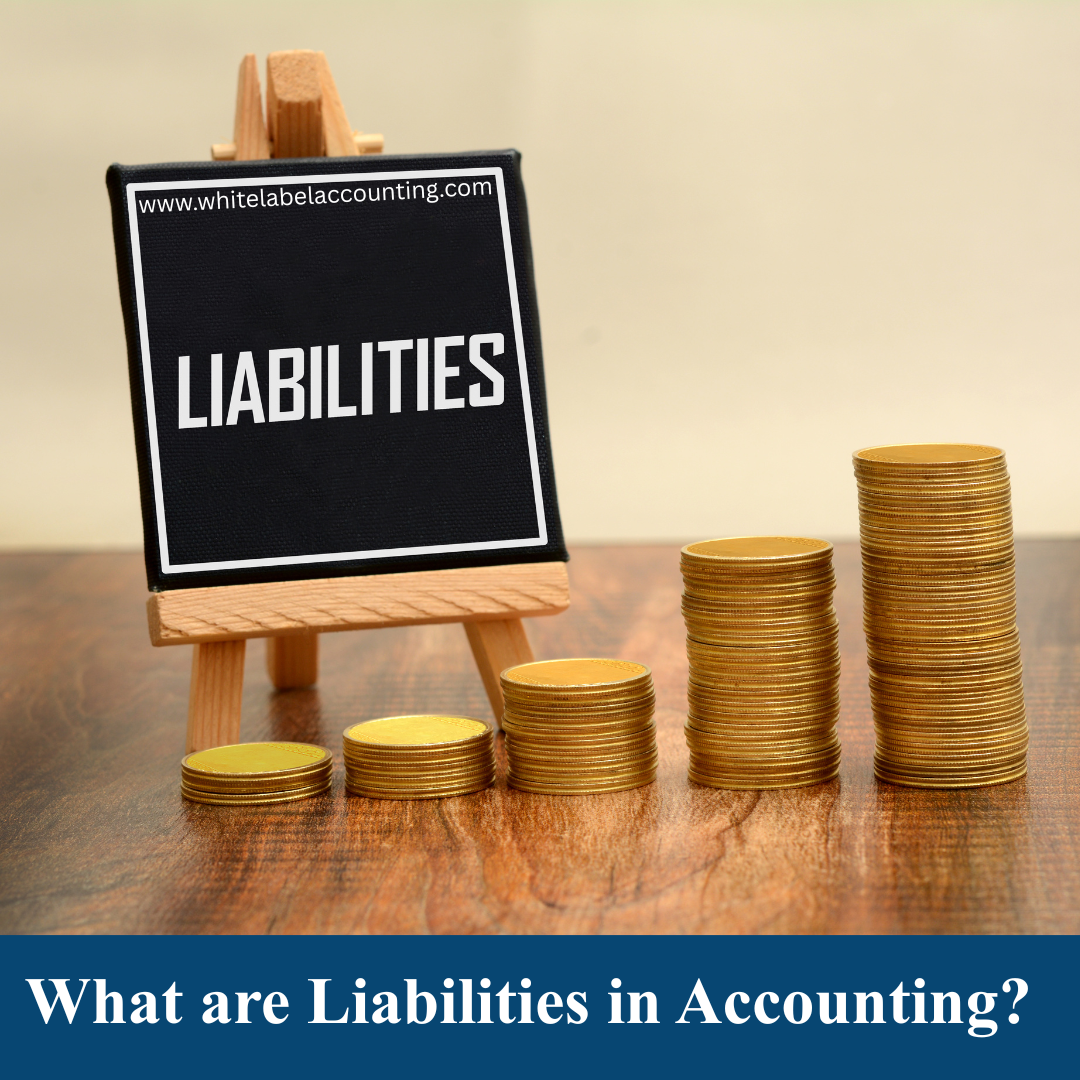
In the world of accounting, liabilities play a fundamental role in assessing a company’s financial health and obligations. Whether you’re a small business owner, a financial professional, or simply curious about accounting basics, understanding what liabilities are in accounting is crucial. In this guide, we’ll explain liabilities, their types, importance, and how White Label Accounting can help businesses manage them effectively.
Liabilities in accounting are financial obligations or debts that a company owes to external parties, such as creditors, suppliers, or lenders. These obligations arise from past transactions and are typically settled over time through the transfer of money, goods, or services.
Liabilities are a key component of a company’s balance sheet and are categorized based on their due dates: current liabilities and non-current liabilities.
Current liabilities are short-term obligations that are expected to be settled within a year. Examples include:
Accounts Payable: Money owed to suppliers for goods and services.
Short-Term Loans: Loans or credit lines due within a year.
Accrued Expenses: Expenses incurred but not yet paid, such as wages and utilities.
Taxes Payable: Taxes owed to the government.
Non-current liabilities are long-term financial obligations not due within a year. Examples include:
Long-Term Loans: Bank loans or bonds payable over an extended period.
Deferred Tax Liabilities: Taxes owed but deferred to future periods.
Pension Obligations: Funds owed to retired employees.
Lease Obligations: Long-term lease agreements.
Contingent liabilities are potential obligations that may arise depending on the outcome of a future event, such as lawsuits or warranty claims. These are recorded only if the likelihood of the event occurring is high and the amount can be reasonably estimated.
The key difference lies in the timeline for repayment:
Current liabilities must be settled within a year, impacting a company's short-term liquidity.
Non-current liabilities are due beyond a year, reflecting long-term financial planning and stability.
Example: A short-term bank loan is a current liability, while a 10-year mortgage loan is non-current.
Liabilities are essential for understanding a company's financial health, providing insights into:
Debt Levels: The extent of a company’s obligations to creditors.
Liquidity: Ability to meet short-term obligations using available assets.
Financial Stability: The balance between liabilities and equity, indicating whether a company is over-leveraged.
Limited liability means that the owners of a company are not personally responsible for the company’s debts. Their financial liability is limited to the amount they invested in the business.
Benefits of Limited Liability:
Personal Asset Protection: Owners’ personal assets are protected from business creditors.
Encourages Investment: Investors are more likely to fund a business knowing their liability is limited.
Example: In a limited liability company (LLC), the business entity itself is liable for debts, not its individual members.
Effectively managing liabilities is critical for maintaining a healthy financial position. White Label Accounting offers comprehensive services tailored to your business, including:
Liability Classification: Accurate categorization of current and non-current liabilities.
Debt Analysis: Evaluate debt levels to ensure financial sustainability.
Balance Sheet Management: Prepare detailed balance sheets to provide a clear picture of liabilities.
Compliance Support: Ensure liabilities, including taxes payable, comply with legal requirements.
With these services, businesses can gain a clear understanding of their liabilities and make informed financial decisions.
A construction company struggled to distinguish between current and non-current liabilities, leading to cash flow issues. White Label Accounting assisted by:
Reorganizing liability accounts
Preparing a detailed balance sheet
Implementing a system to track short-term and long-term debts
Result: The company improved liquidity and financial stability, enabling smoother operations and better decision-making.
Liabilities are a critical aspect of accounting, reflecting a company’s financial obligations. Understanding current vs. non-current liabilities and concepts like limited liability is essential for sound financial management. With expert guidance from White Label Accounting, businesses can effectively manage their liabilities, ensure compliance, and maintain financial stability.


Copyright © 2025 White Label Accounting Inc. All Rights Reserved | Developed by WITH U Technology Pvt. Ltd.