Tax compliance is one of the most important responsibilities for any business. Failing to comply with tax laws can result in penalties, interest, audits, and unnecessary stress. Many compliance issues do not arise from intentional mistakes but from poor record keeping, missed deadlines, or lack of awareness of changing regulations.
This blog shares practical tips for keeping your business compliant with tax laws, highlights common compliance risks, and explains how professional accounting support can help businesses stay on track year round.
Every business has different tax obligations depending on its structure, location, and activities. Common taxes businesses may be responsible for include
Federal income tax
State and local income tax
Payroll taxes
Sales and use tax
Estimated quarterly taxes
Understanding which taxes apply to your business is the first step toward compliance.
Accurate record keeping is the foundation of tax compliance. Businesses should ensure that
All income is recorded correctly
Expenses are properly categorized
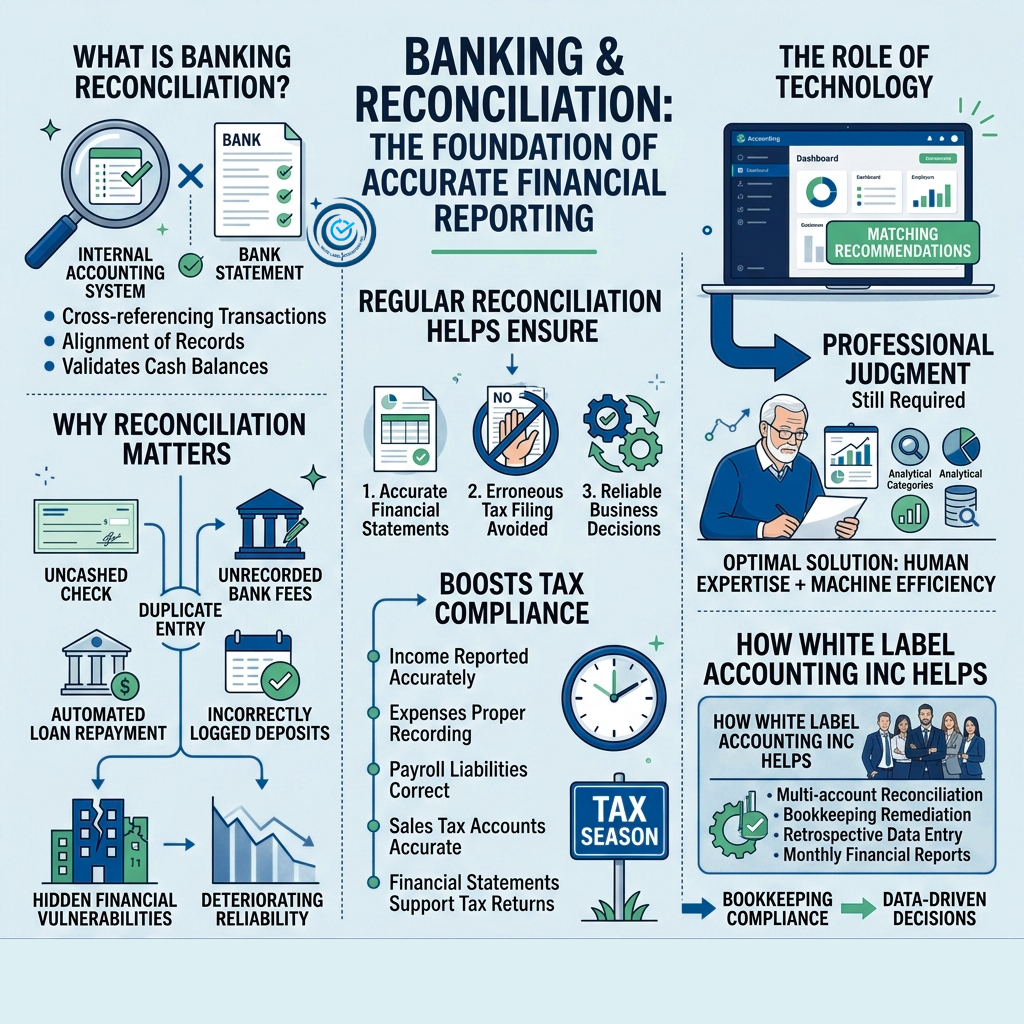
Bank and credit card accounts are reconciled regularly
Supporting documents are retained
Incomplete or inaccurate records increase the risk of filing errors and audits.
Missing tax deadlines is one of the most common compliance mistakes. Late filing or late payment can result in penalties and interest even if no tax is owed.
To stay compliant
Track all filing deadlines
Set reminders for estimated tax payments
File extensions when necessary
Pay taxes by the due date even if an extension is filed
Timely action reduces financial and compliance risk.
Tax laws change frequently at the federal, state, and local levels. Businesses that rely on outdated information may unknowingly fall out of compliance.
Best practices include
Reviewing tax updates annually
Consulting with tax professionals
Adjusting processes when laws change
Staying informed helps businesses avoid surprises during tax season.
Mixing personal and business finances is a major compliance risk. It makes record keeping difficult and can lead to incorrect deductions.
Businesses should
Maintain separate bank accounts
Use business credit cards
Avoid paying personal expenses from business accounts
Clear separation supports accurate reporting and audit readiness.
Payroll and sales taxes are among the most scrutinized areas by tax authorities.
Businesses must ensure
Payroll taxes are calculated and remitted correctly
Sales tax is collected at the correct rates
Sales tax returns are filed on time
Payroll and sales tax accounts are reconciled regularly
Errors in these areas often result in penalties and notices.
Periodic reviews help identify issues before they become serious problems.
Regular reviews should include
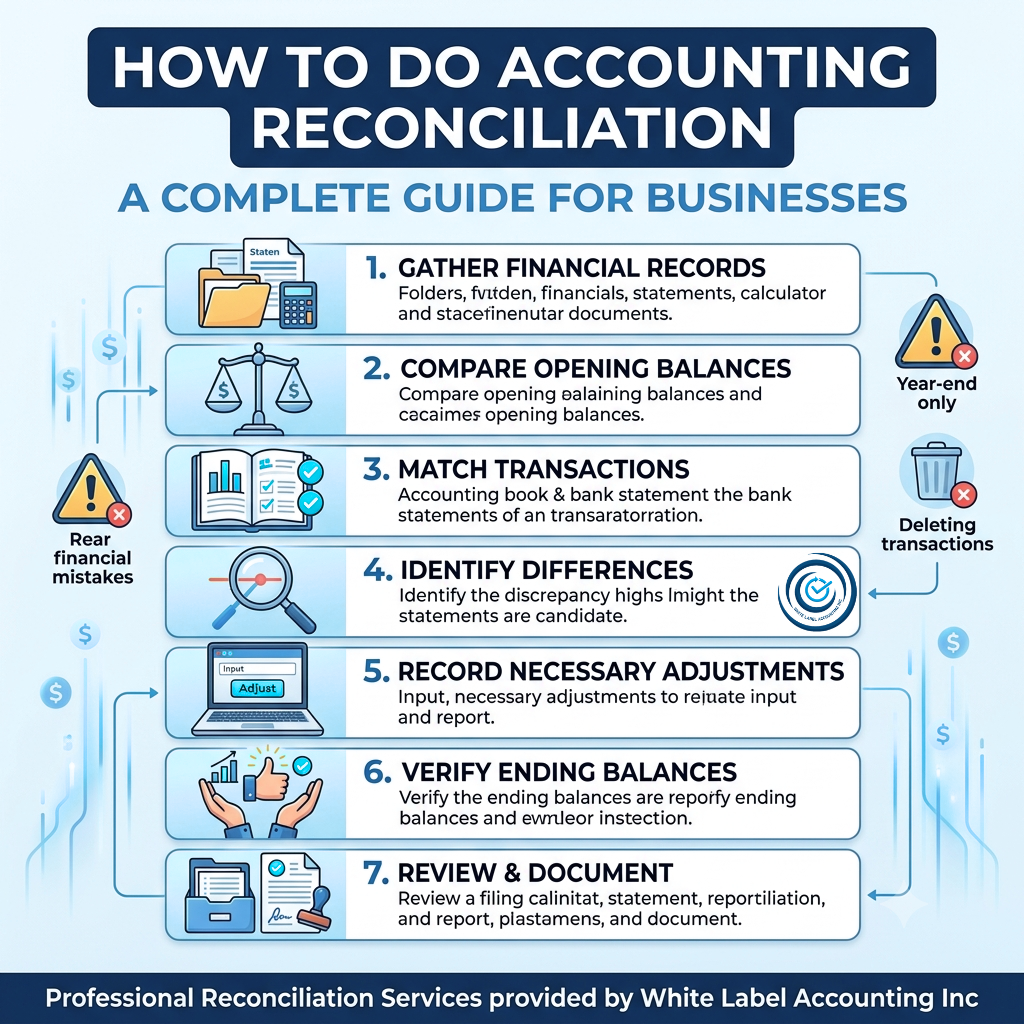
Checking reconciliations
Reviewing financial statements
Confirming tax filings and payments
Addressing discrepancies promptly
Proactive reviews reduce the need for costly cleanup later.
Professional guidance plays a critical role in tax compliance. Experienced accountants help businesses interpret tax rules, maintain accurate records, and file correct returns.
White Label Accounting Inc supports businesses with ongoing bookkeeping, tax compliance, and reporting services designed to reduce risk and improve accuracy.
Waiting until tax deadlines approach increases the likelihood of errors. Early preparation allows time to
Resolve bookkeeping issues
Identify missing documents
Plan for tax payments
File accurate returns
Consistent year round accounting makes tax season smoother and less stressful.
Keeping your business compliant with tax laws requires organization, awareness, and consistency. By maintaining accurate records, meeting deadlines, staying informed, and seeking professional support, businesses can reduce compliance risks and focus on growth.
Tax compliance is not just about avoiding penalties. It is about building a stable and trustworthy financial foundation. With the right systems and expert guidance, compliance becomes a manageable and predictable part of running a business.


Copyright © 2025 White Label Accounting Inc. All Rights Reserved | Developed by WITH U Technology Pvt. Ltd.