As businesses expand, financial complexity grows alongside revenue, staffing, and operational demands. What once worked for a small startup—basic spreadsheets, manual tracking, and irregular financial reviews—often becomes inefficient and risky during periods of growth. Effective bookkeeping is no longer just about recording transactions; it becomes a strategic foundation that supports decision making, compliance, cash flow management, and lonterm sustainability.
This guide explores practical, realworld strategies that help growing businesses maintain accurate financial records, improve efficiency, and build a scalable bookkeeping system that supports continued success.
Growth introduces new financial challenges: higher transaction volumes, multiple revenue streams, payroll expansion, tax complexity, and increased reporting requirements. Without structured bookkeeping processes, businesses may face:
Cash flow visibility problems
Missed tax deadlines or compliance risks
Difficulty securing funding or investment
Inaccurate profitability analysis
Operational inefficiencies
Strong bookkeeping transforms financial data into actionable insight, allowing leadership to make confident, informed decisions.
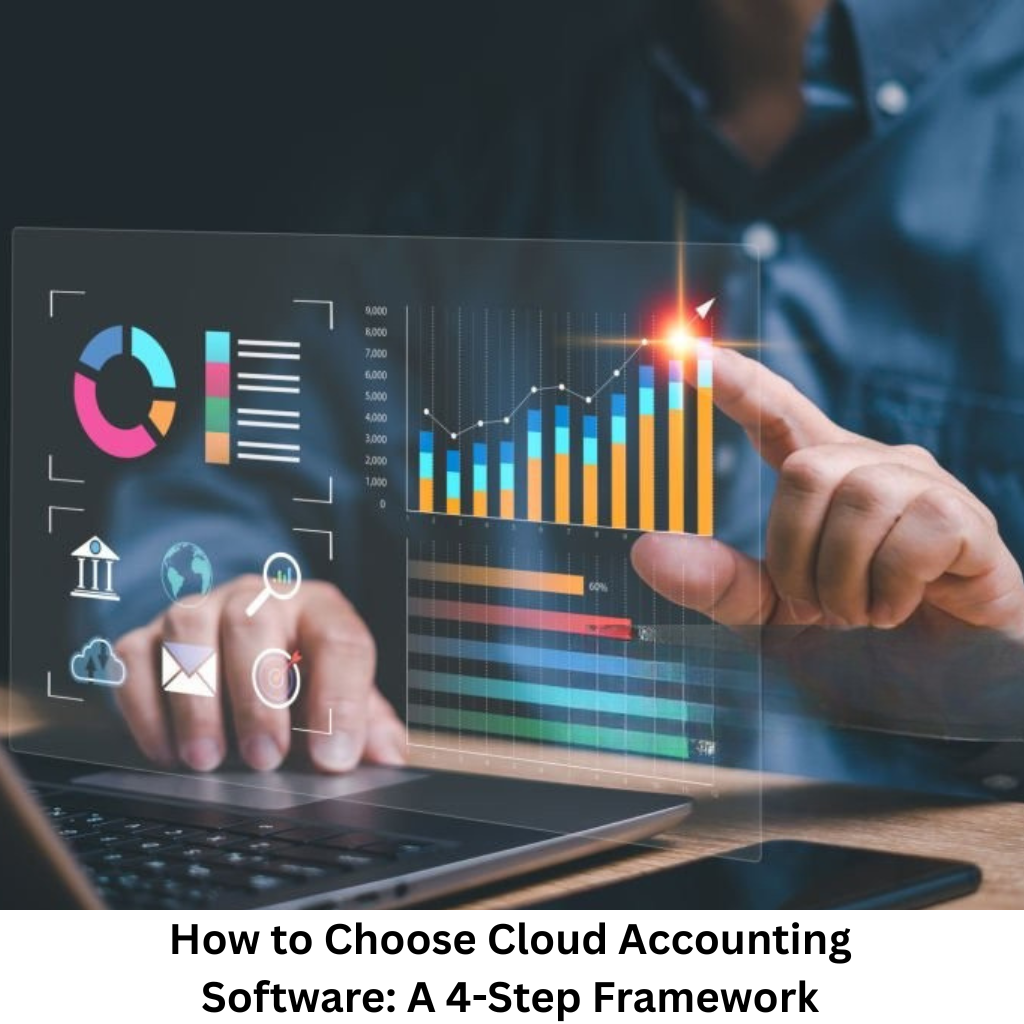
One of the most important steps for a growing business is moving beyond manual bookkeeping. Cloudbased accounting platforms provide:
Realtime financial visibility
Automated transaction recording
Secure document storage
Multiuser collaboration
Integration with banking, payroll, and invoicing tools
Choosing scalable software early prevents disruptive migrations later and ensures financial data remains consistent as the business expands.
Growth often exposes inconsistent bookkeeping habits. Establishing clear, repeatable processes ensures accuracy and efficiency across the organization.
Key areas to standardize include:
Invoice creation and approval workflows
Expense submission and categorization
Monthly bank and credit card reconciliations
Payroll processing schedules
Financial reporting timelines
Documented procedures reduce errors, simplify staff training, and maintain continuity as teams grow.
Mixing personal and business transactions is one of the most common bookkeeping problems in expanding companies. Maintaining strict separation provides:
Clear financial reporting
Easier tax preparation
Stronger audit protection
Improved credibility with lenders and investors
Dedicated business bank accounts, credit cards, and payment systems are essential for financial clarity.
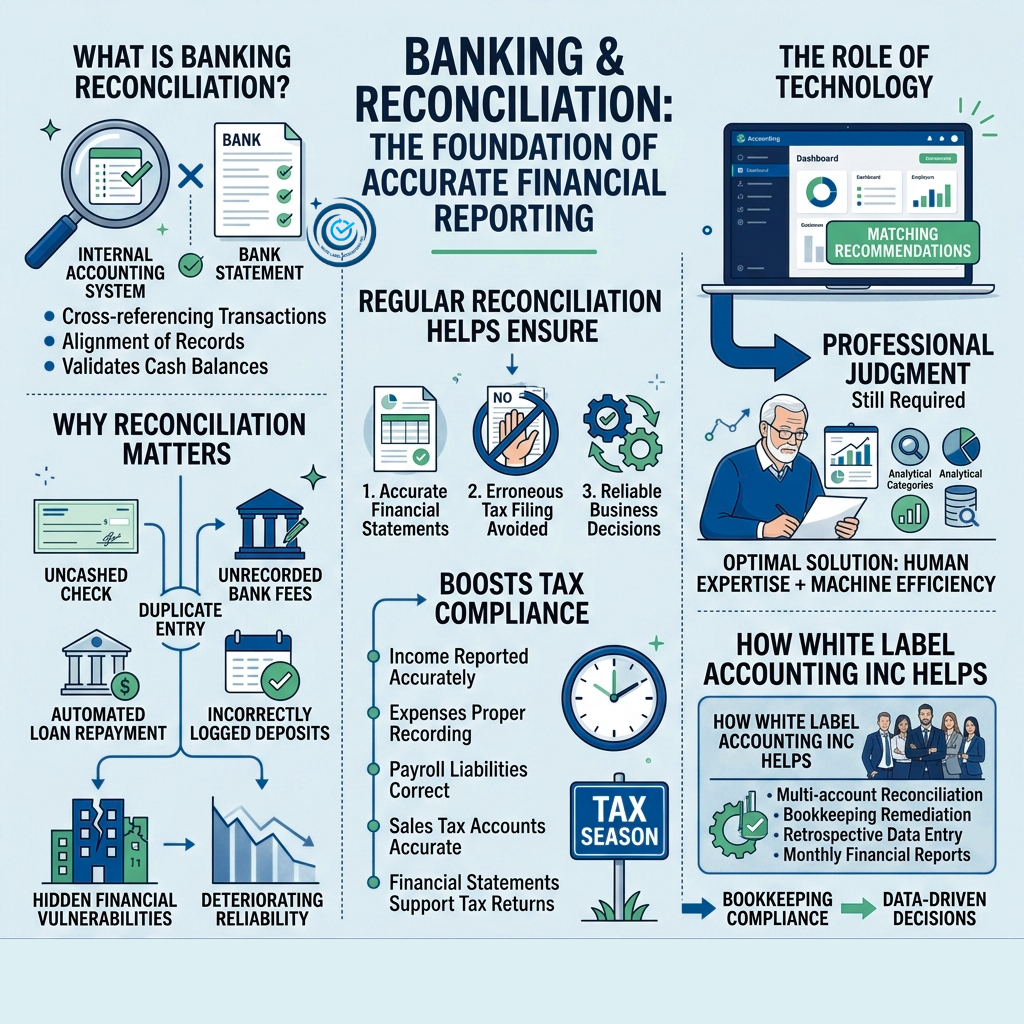
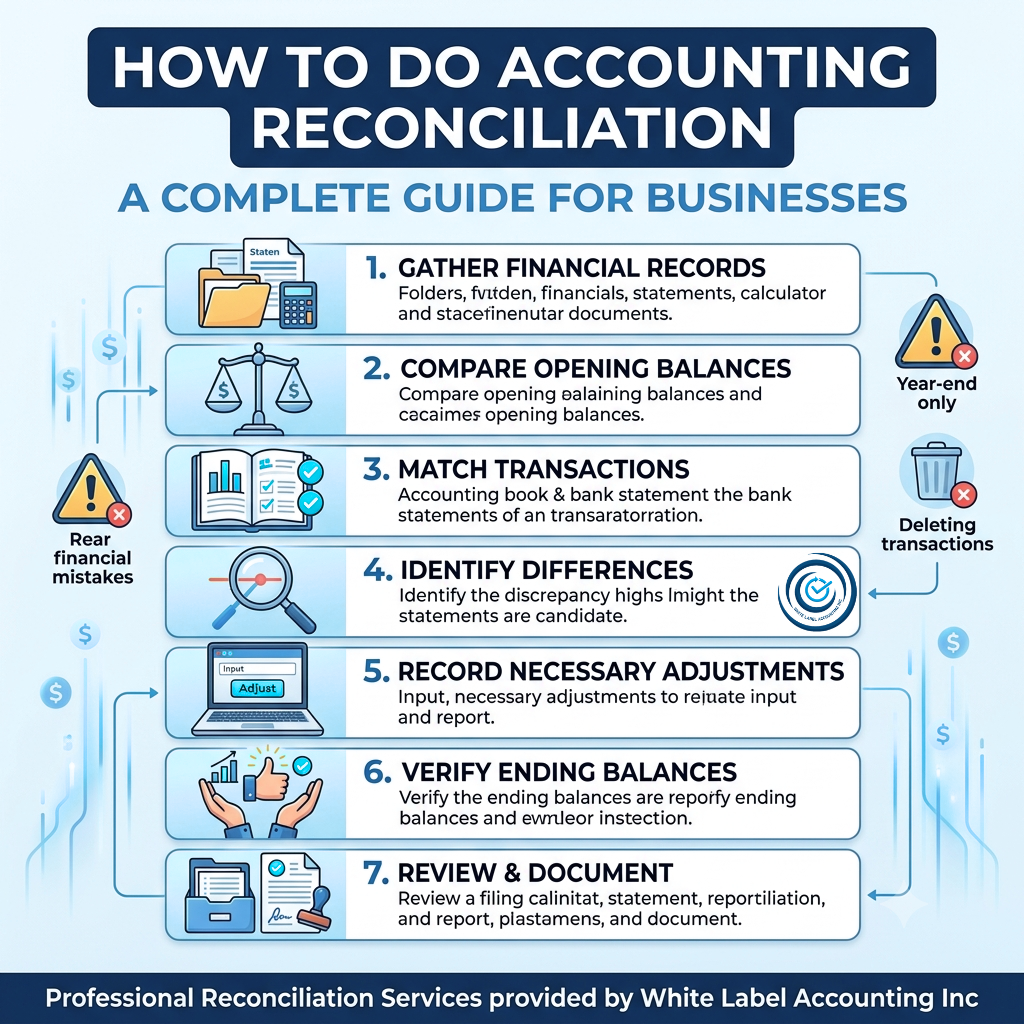
Regular reconciliation ensures that recorded transactions match bank statements, payment platforms, and financial records. For growing businesses, monthly reconciliation is the minimum standard—many benefit from weekly reviews.
Consistent reconciliation helps:
Detect fraud or duplicate transactions early
Prevent cumulative accounting errors
Keep financial statements reliable
Support accurate cash flow forecasting
Profitability does not guarantee liquidity. Rapid growth can actually strain cash flow due to inventory purchases, hiring, and delayed customer payments.
Effective bookkeeping supports cash flow control through:
Accounts receivable aging analysis
Accounts payable scheduling
Short term cash forecasts
Scenario planning for expansion
Businesses that actively monitor cash flow are far more resilient during scaling phases.
Bookkeeping is most valuable when financial reports guide decisions rather than simply satisfy compliance requirements.
Essential reports for growing businesses include:
Profit and loss statement for performance tracking
Balance sheet for financial stability insight
Cash flow statement for liquidity management
Budget vs. actual comparisons for planning accuracy
Regular review of these reports allows leadership to identify trends, control costs, and allocate resources effectively.
As teams expand, the risk of financial errors or fraud increases. Internal controls protect business assets and ensure trustworthy records.
Important controls include:
Separation of financial duties
Approval requirements for payments
Access controls within accounting software
Routine financial audits or reviews
Strong governance builds confidence among stakeholders and investors.
Growing businesses often face new tax obligations—sales taxes in additional regions, payroll taxes for more employees, and evolving regulatory requirements.
Proactive bookkeeping ensures:
Accurate tax calculations
On?time filings and payments
Proper documentation for audits
Reduced risk of penalties or interest
Tax planning should be integrated into regular financial management rather than treated as a last?minute task.
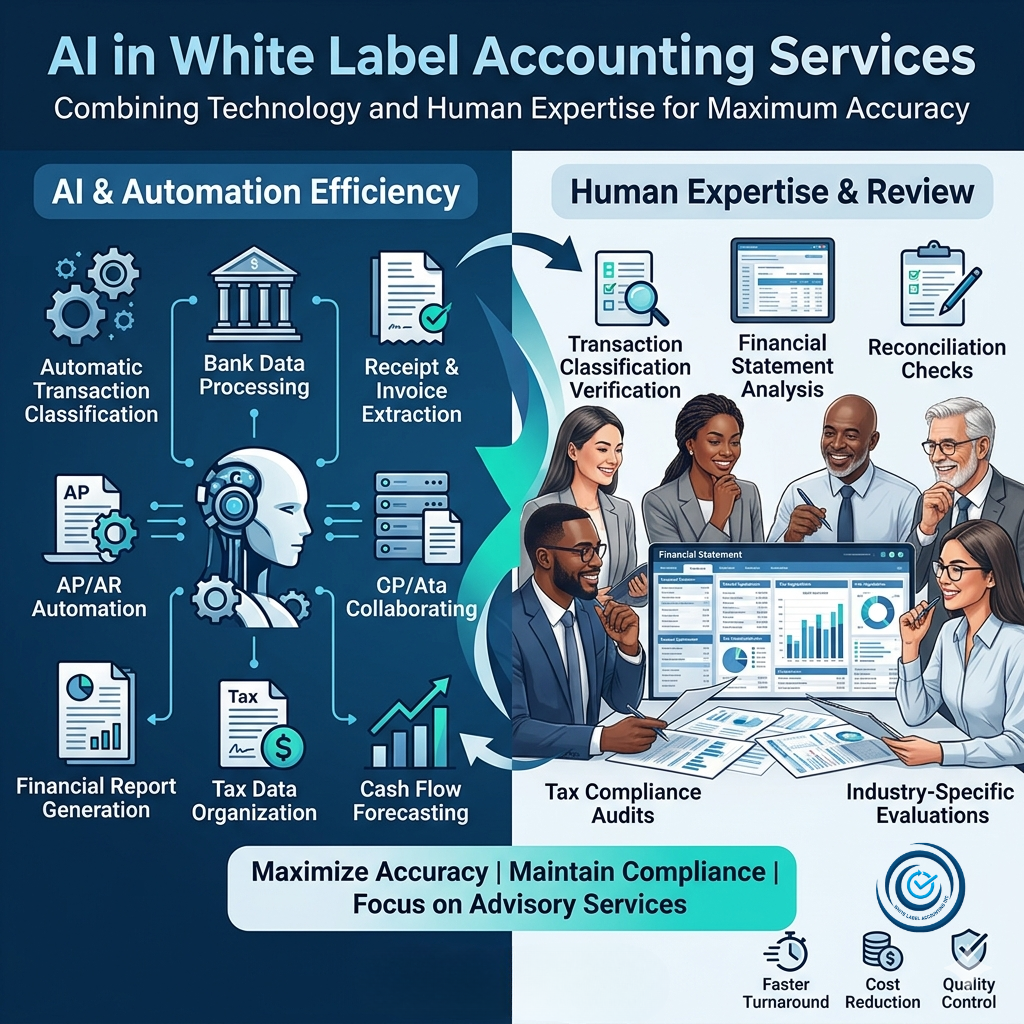
At certain growth stages, internal bookkeeping alone may no longer be sufficient. Professional bookkeepers or outsourced accounting teams provide:
Expert financial oversight
Time savings for leadership
Improved reporting accuracy
Compliance assurance
Scalable support aligned with growth
Outsourcing allows business owners to focus on strategy, customers, and expansion while maintaining financial control.
Effective bookkeeping is not static. As a business evolves, financial systems should be reviewed and refined to match new operational realities.
Regular evaluations should assess:
Software effectiveness
Reporting accuracy and usefulness
Process efficiency
Compliance readiness
Continuous improvement ensures bookkeeping remains a growth enabler rather than a bottleneck.
Effective bookkeeping is a cornerstone of sustainable business growth. It provides clarity, strengthens compliance, protects cash flow, and equips leadership with the insights needed to make confident strategic decisions.
By investing in scalable systems, standardized processes, accurate reporting, and professional support, growing businesses can transform bookkeeping from a routine administrative task into a powerful driver of long term success.
Organizations that prioritize financial discipline today position themselves for stronger stability, smarter expansion, and greater resilience in the future.


Copyright © 2025 White Label Accounting Inc. All Rights Reserved | Developed by WITH U Technology Pvt. Ltd.