Running an ecommerce business in the United States offers enormous growth potential, but it also comes with complex accounting and tax compliance responsibilities. As sales grow across states and platforms, ecommerce sellers often struggle with bookkeeping accuracy, sales tax nexus rules, and finding qualified professionals who truly understand ecommerce tax compliance.
This guide provides a step-by-step explanation of ecommerce accounting and tax compliance in the United States, explains how to manage sales tax nexus for growing ecommerce businesses, and helps you understand how to find certified accountants experienced in ecommerce tax compliance near you.
Ecommerce accounting goes beyond basic bookkeeping. Online sellers deal with multiple sales channels, payment processors, fees, refunds, and inventory movement.
Key components of ecommerce accounting include
Accurate sales recording by platform
Proper expense categorization including marketplace fees
Inventory and cost of goods sold tracking
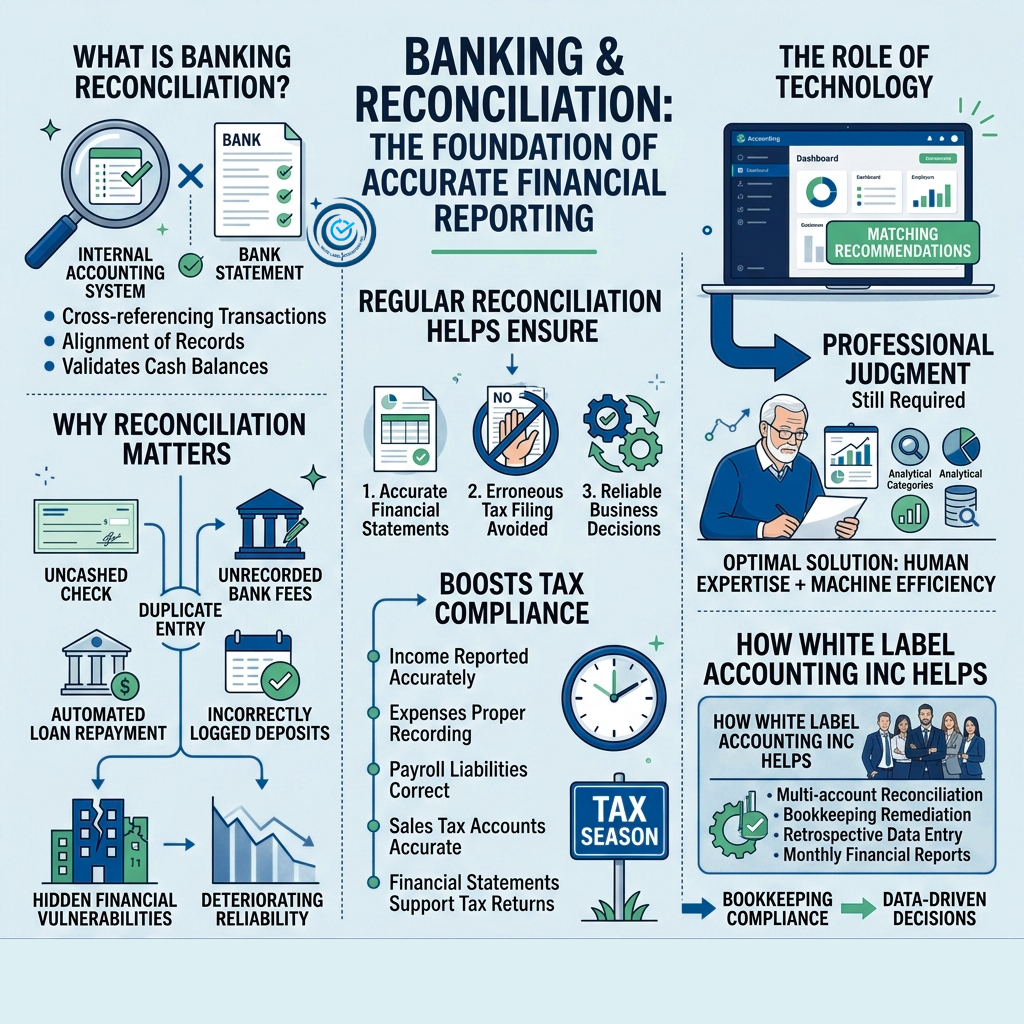
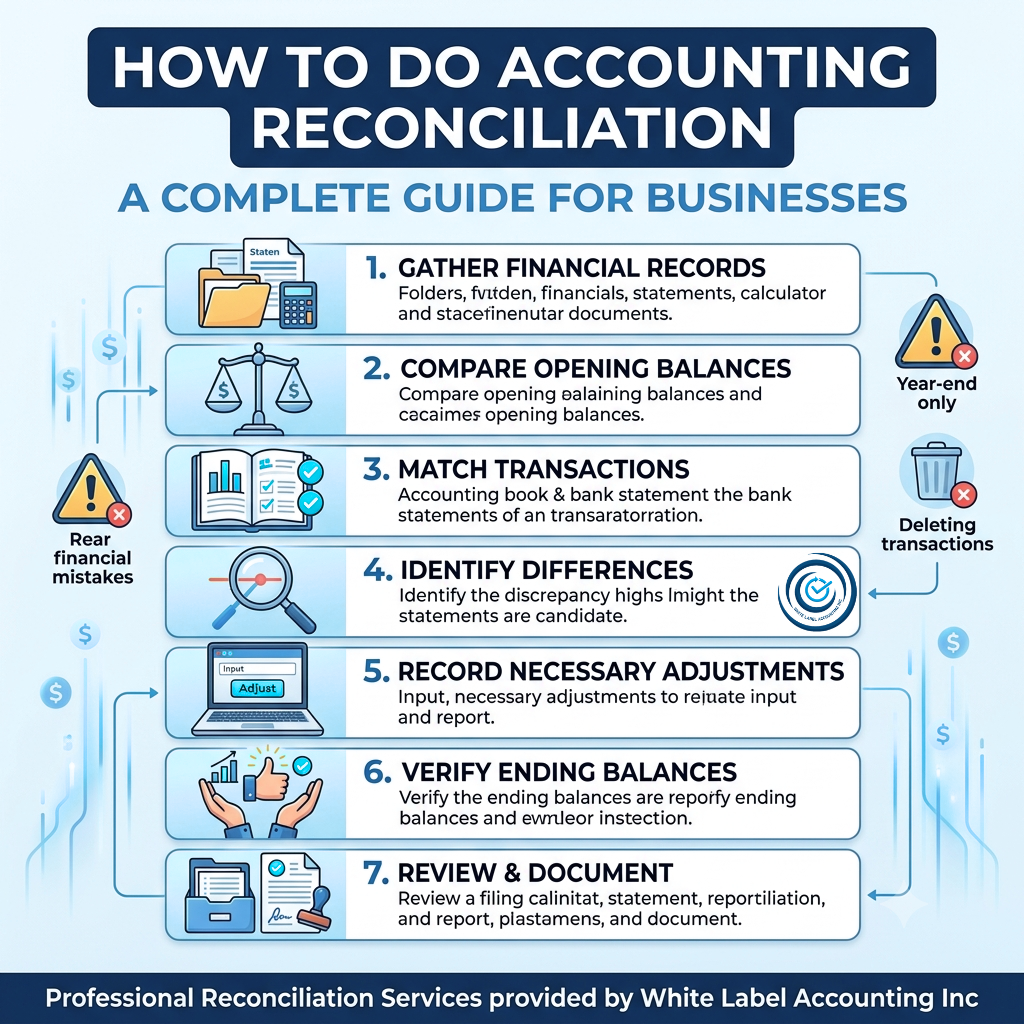
Reconciliation of payment processors and bank accounts
Separation of sales tax from revenue
Without structured accounting, ecommerce financial reports quickly become unreliable.
Generic bookkeeping setups often fail for ecommerce businesses.
An ecommerce-ready accounting system should include
Integration with platforms like Shopify Amazon Walmart or WooCommerce
Clearing accounts for payment processors
Separate tracking for product revenue shipping income and refunds
Inventory accounting aligned with sales volume
Clean bookkeeping is the foundation for accurate tax compliance.
Inventory accounting is one of the most common pain points for ecommerce sellers.
Best practices include
Tracking beginning and ending inventory
Recording purchases and landed costs
Matching inventory movement with sales
Reconciling inventory systems with accounting software
Incorrect inventory tracking leads to misstated profits and tax errors.
Ecommerce tax compliance involves more than filing an annual tax return.
Sellers must comply with
Federal income tax requirements
State income tax where applicable
Sales tax obligations based on nexus
Payroll tax if employees are involved
Failure to address these obligations can result in penalties and audits.
Sales tax nexus refers to a connection between your business and a state that requires you to collect and remit sales tax.
Ecommerce businesses can create nexus through
Physical presence such as warehouses or employees
Economic nexus based on sales volume or transaction count
Marketplace facilitator rules
Inventory stored in third-party fulfillment centers
Nexus rules vary by state and change frequently.
As ecommerce sales increase, many businesses unintentionally cross economic nexus thresholds.
Common triggers include
Exceeding sales thresholds in a state
High transaction volume across multiple states
Rapid marketplace expansion
Once nexus is established, sellers must register collect file and remit sales tax in that state.
Growing ecommerce businesses often make mistakes such as
Not registering after nexus is created
Charging incorrect tax rates
Treating marketplace sales incorrectly
Failing to file sales tax returns on time
Mixing sales tax with revenue
These errors can lead to assessments penalties and interest.
Effective sales tax management includes
Nexus analysis across all states
Proper sales tax registration
Accurate tax calculation setup
Monthly or quarterly filing and reconciliation
Ongoing monitoring as the business grows
Sales tax compliance should be proactive not reactive.
Tax returns are only as accurate as the books behind them.
Tax-ready ecommerce financials require
Reconciled bank and processor accounts
Clean income and expense categorization
Accurate inventory and COGS reporting
Separate tracking of sales tax liabilities
This allows for faster filing and reduced audit risk.
Not all accountants understand ecommerce complexity. Sellers need professionals who understand
Marketplace fee structures
Multi-state sales tax rules
Inventory accounting
Payment processor reconciliation
Ecommerce platform integrations
Using a general accountant without ecommerce expertise often leads to costly errors.
When searching for ecommerce tax support, look for
Experience with ecommerce platforms
Knowledge of sales tax nexus rules
Inventory accounting expertise
Proven tax compliance processes
Ability to scale as your business grows
Certified professionals with ecommerce focus provide far greater value.
White Label Accounting Inc provides specialized ecommerce accounting and tax compliance services for US based and international sellers operating in the United States.
Our services include
Ecommerce bookkeeping and cleanup
Inventory and cost of goods sold tracking
Sales tax nexus analysis and compliance
Multi-state sales tax filing
Tax-ready financial statements
Coordination with tax return preparation
We support ecommerce businesses at every stage of growth.
With expert support, ecommerce businesses gain
Accurate financial reporting
Compliance with sales tax and income tax rules
Reduced risk of penalties and audits
Better cash flow visibility
Confidence to scale across states
Strong accounting allows ecommerce founders to focus on growth instead of compliance stress.
Ecommerce accounting and tax compliance in the United States require careful planning accurate bookkeeping and proactive sales tax management. As businesses grow across platforms and states, understanding nexus rules and working with experienced professionals becomes essential.
If you are looking for a step-by-step guide to ecommerce accounting, need help handling nexus and sales tax obligations, or want to find certified accountants experienced in ecommerce tax compliance, White Label Accounting Inc is ready to support you.
Contact White Label Accounting Inc today to ensure your ecommerce business stays compliant scalable and financially strong.


Copyright © 2025 White Label Accounting Inc. All Rights Reserved | Developed by WITH U Technology Pvt. Ltd.