Managing rental properties can be profitable, but only when finances are tracked accurately. Many landlords and real estate investors underestimate the complexity of rental property bookkeeping and accounting services, which often leads to missed deductions, cash flow issues, and tax filing errors.
This blog explains why specialized bookkeeping and accounting services are essential for rental properties, common mistakes property owners make, and how professional support from White Label Accounting Inc helps landlords stay compliant, profitable, and organized.
Rental property accounting is not the same as standard small business bookkeeping. Property owners deal with
Monthly rent collections
Security deposits
Property specific expenses
Depreciation and capital improvements
Mortgage interest and escrow accounts
Multi property reporting
Without proper systems, income and expenses easily get mixed, leading to inaccurate financial statements.
Rental Income Tracking
Accurate tracking of rental income is critical. This includes
Monthly rent payments
Late fees
Parking or storage income
Laundry or utility reimbursements
Income must be recorded in the correct period to ensure accurate profit reporting and tax compliance.
Security Deposit Accounting
Security deposits are one of the most commonly mishandled items in rental accounting.
Proper treatment includes
Recording deposits as liabilities
Not recognizing them as income
Adjusting balances only when deposits are applied or refunded
Incorrect handling can overstate income and create legal issues.
Expense Categorization by Property
Rental expenses should be tracked by individual property to evaluate performance.
Common rental expenses include
Repairs and maintenance
Property management fees
Utilities
Insurance
HOA fees
Advertising and leasing costs
Separating expenses by property allows owners to identify underperforming units and manage costs effectively.
Capital Improvements vs Repairs
One of the biggest accounting challenges in rental properties is distinguishing between repairs and capital improvements.
Repairs are typically expensed
Capital improvements must be capitalized and depreciated
Misclassification can result in incorrect tax deductions and IRS scrutiny.
Depreciation Tracking
Depreciation is a major tax benefit for rental property owners, but it must be calculated and tracked correctly.
Proper accounting includes
Asset setup for each property
Depreciation schedules
Adjustments for improvements and disposals
Failure to track depreciation accurately can result in lost deductions or issues when properties are sold.
Many landlords attempt to manage books themselves and encounter recurring issues such as
Mixing personal and rental property expenses
Using bank deposits instead of rent rolls for income tracking
Ignoring depreciation
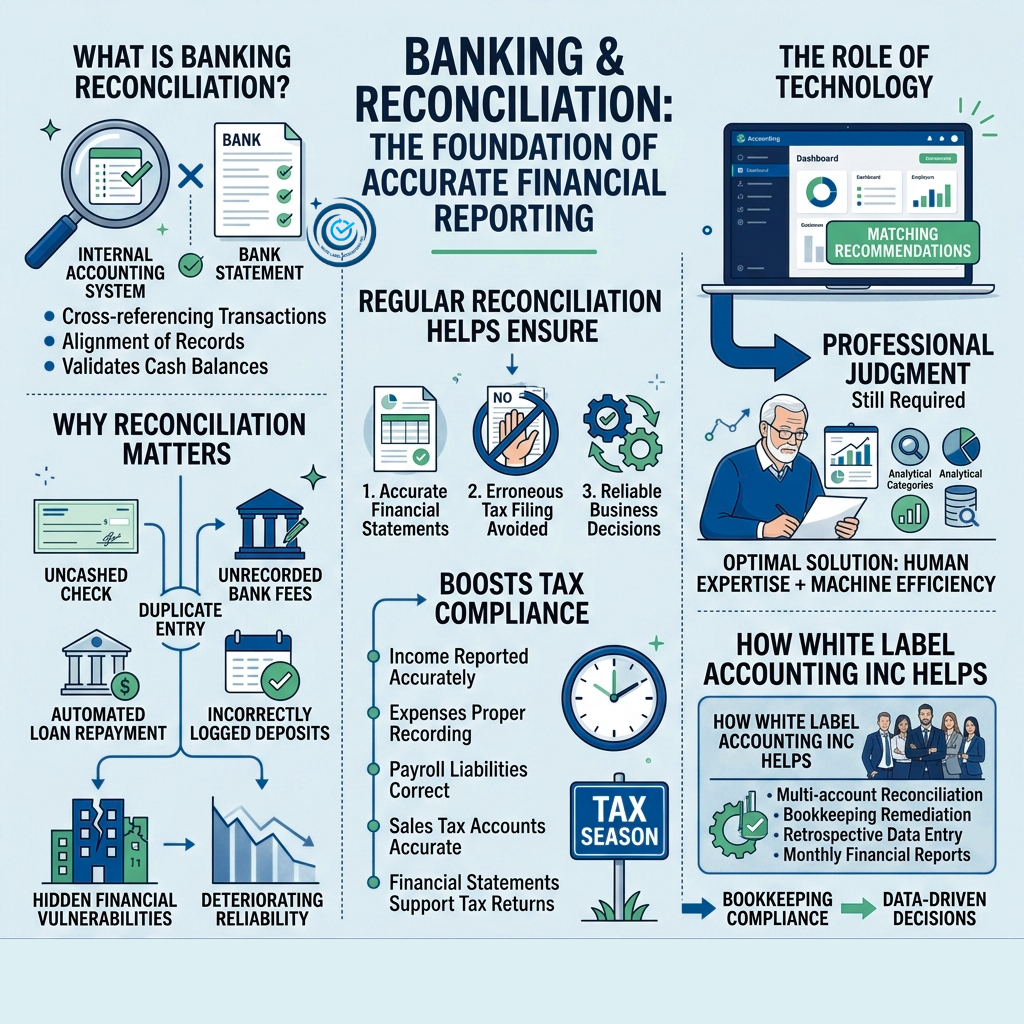
Not reconciling mortgage and escrow accounts
Failing to track expenses by property
These mistakes distort financial reports and increase tax risk.
Rental property taxation involves
Passive activity rules
Deductibility limits
Depreciation recapture
State and local tax considerations
Accurate bookkeeping ensures that tax returns are based on reliable data and maximize allowable deductions.
Outsourcing rental property bookkeeping and accounting services provides
Accurate and organized financial records
Property level profitability reports
Tax ready financial statements
Reduced audit and compliance risk
Better cash flow visibility
Professional support allows owners to focus on growth rather than paperwork.
White Label Accounting Inc provides specialized accounting services for rental properties and real estate investors, including
Rental income and expense tracking
Security deposit and escrow accounting
Property wise bookkeeping
Depreciation and asset management
Tax ready reports for CPAs and investors
Ongoing monthly bookkeeping and cleanup services
Our team understands the unique accounting needs of landlords and real estate portfolios.
Rental property accounting services are ideal for
Individual landlords
Multi property owners
Real estate investors
Property management companies
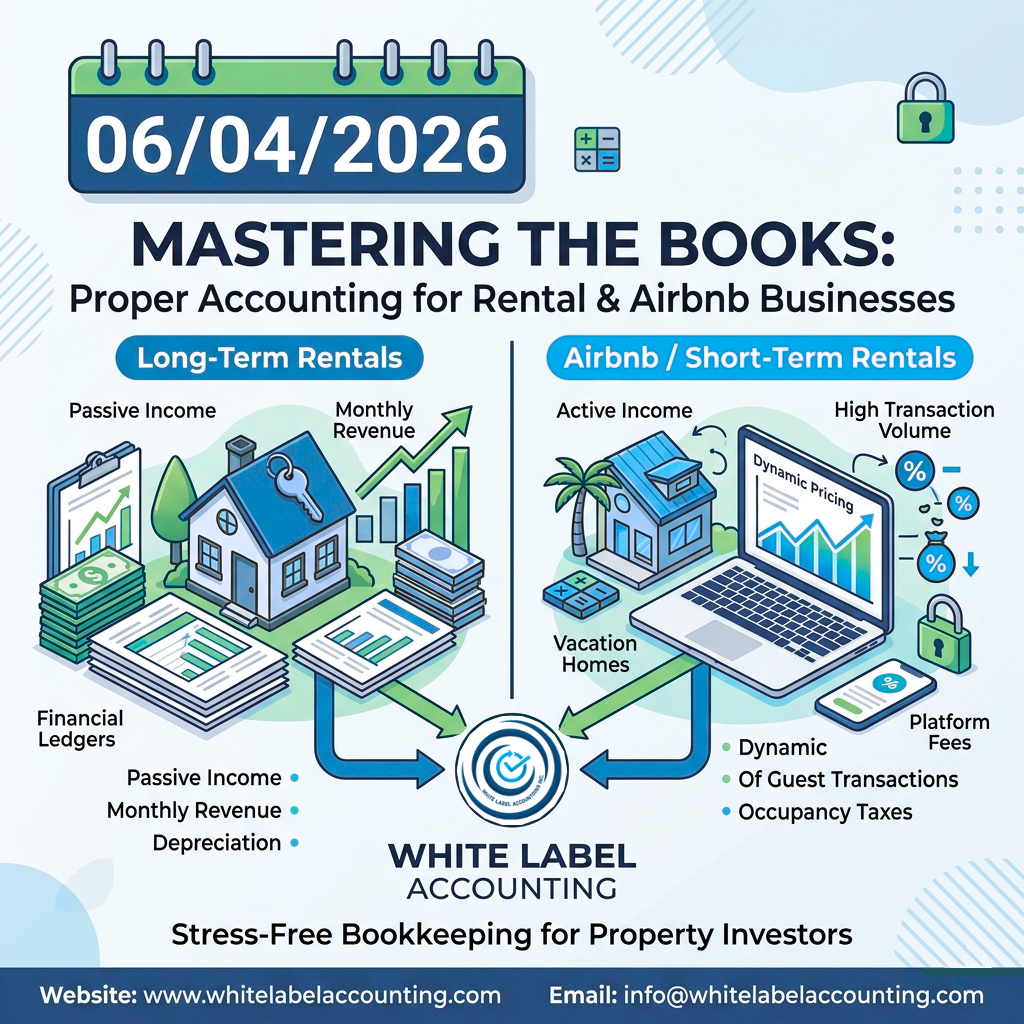
Short term and long term rental operators
Whether you own one property or a growing portfolio, proper accounting is essential.
Accurate rental property bookkeeping and accounting services are the foundation of profitable real estate investing. From tracking rental income and expenses to managing depreciation and tax compliance, professional accounting support protects your investment and improves decision making.
If you own rental properties and want clear, compliant, and reliable financial records, White Label Accounting Inc is ready to help. Contact us today to learn how our rental property accounting services can support your real estate goals.

Copyright © 2025 White Label Accounting Inc. All Rights Reserved | Developed by WITH U Technology Pvt. Ltd.