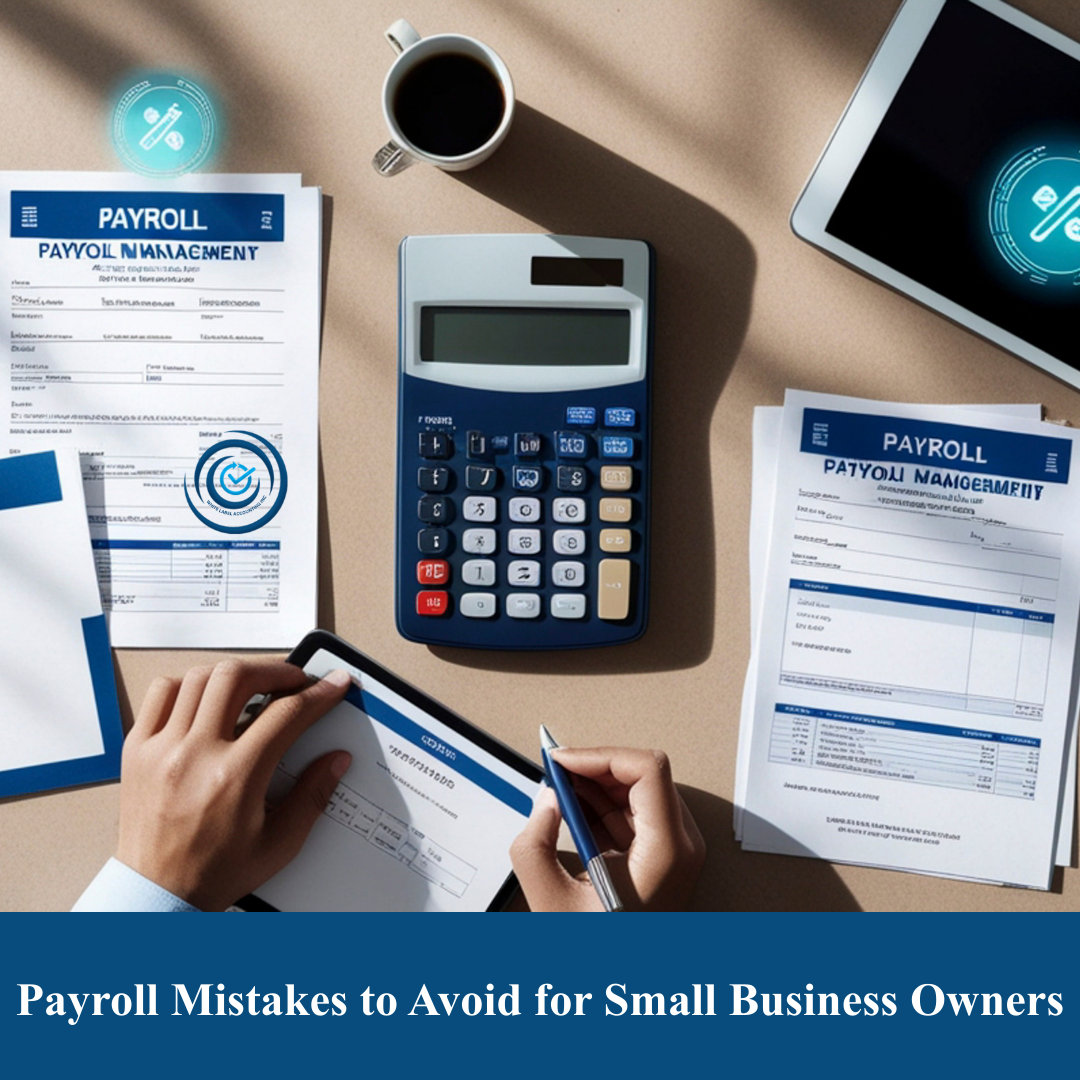
Running a small business requires balancing growth, customer satisfaction, and financial stability—often all at the same time. Among these responsibilities, payroll is one of the most sensitive and high-risk areas. Even minor payroll errors can lead to penalties, compliance issues, strained employee relationships, and unnecessary financial stress.
Understanding the most common payroll mistakes—and how to avoid them—can help small business owners protect their operations, maintain compliance, and build a stronger foundation for long-term success.
One of the most frequent payroll mistakes is incorrectly classifying workers as independent contractors instead of employees. While contractors may seem easier to manage from a tax perspective, misclassification can trigger fines, back taxes, and legal complications.
How to avoid it:
Clearly understand legal definitions of employees vs. contractors.
Review contracts, work structure, and level of control regularly.
Seek professional advice when unsure.
Correct classification ensures proper tax handling, benefits eligibility, and regulatory compliance.
Late tax filings or missed payroll tax payments can result in significant penalties and interest charges. For small businesses operating on tight margins, these avoidable costs can quickly add up.
How to avoid it:
Maintain a payroll calendar with filing deadlines.
Automate reminders or use payroll software.
Consider outsourcing payroll to ensure timely compliance.
Staying organized with deadlines protects both cash flow and business credibility.
Incomplete or incorrect payroll records create problems during audits, tax filings, and financial reviews. Missing timesheets, incorrect salary data, or poor documentation can lead to disputes and compliance risks.
How to avoid it:
Keep detailed payroll records for each employee.
Store documents securely and digitally when possible.
Reconcile payroll data with accounting records monthly.
Accurate documentation supports transparency and smooth financial management.
Failing to calculate overtime correctly or mishandling leave entitlements can result in employee dissatisfaction and legal exposure. Labor laws often have strict requirements regarding working hours, overtime pay, and leave benefits.
How to avoid it:
Stay updated on labor regulations relevant to your region.
Use systems that automatically calculate overtime and leave balances.
Communicate policies clearly to employees.
Fair and compliant compensation strengthens trust within your team.
Rushing payroll without proper checks increases the likelihood of salary errors, duplicate payments, or incorrect deductions. These mistakes can damage employee confidence and require time-consuming corrections.
How to avoid it:
Implement a payroll review checklist.
Cross-verify salaries, deductions, and tax amounts before approval.
Assign responsibility to a trained individual or professional service.
A simple review process can prevent costly errors.
Many small business owners attempt to manage payroll manually to save costs. However, manual processing increases the risk of mistakes, compliance failures, and inefficiencies.
How to avoid it:
Invest in reliable payroll software or outsourcing services.
Work with accounting professionals who understand regulations.
Treat payroll as a strategic function rather than an administrative task.
Professional support often reduces costs in the long run by preventing penalties and improving accuracy.
Accurate payroll is more than a routine financial task—it directly affects:
Employee trust and satisfaction
Legal and tax compliance
Cash-flow management
Business reputation and stability
When payroll runs smoothly, business owners gain peace of mind and more time to focus on growth, strategy, and customer relationships.
Payroll mistakes are common among small businesses, but they are also preventable. By improving record-keeping, meeting tax deadlines, classifying workers correctly, and using the right tools or professional support, business owners can avoid unnecessary risks and build a compliant, efficient payroll system.
Strong payroll practices don’t just protect your business—they create a reliable foundation for sustainable growth and long-term success.


Copyright © 2025 White Label Accounting Inc. All Rights Reserved | Developed by WITH U Technology Pvt. Ltd.