The 2026 income tax filing season brings important updates for taxpayers and businesses across the United States. With the introduction of OBBBA tax law changes, the IRS has updated and introduced new tax forms to reflect revised reporting requirements, expanded disclosures, and compliance adjustments.
Understanding these new tax forms and how OBBBA impacts income reporting, deductions, and credits is critical to filing accurate returns and avoiding delays, penalties, or IRS notices.
This blog explains what the OBBBA tax law changes mean, highlights key updates to tax forms for the 2026 filing season, and outlines how taxpayers and businesses should prepare.
The OBBBA tax law represents a set of legislative changes aimed at improving tax base transparency, compliance accuracy, and reporting consistency across individuals and businesses.
OBBBA impacts
Income disclosure requirements
Credit and deduction eligibility
Business expense reporting
Digital asset and third party reporting
Enhanced IRS matching and verification
As a result, several IRS tax forms for 2026 have been updated or expanded to align with these changes.
New or revised tax forms are introduced to
Capture additional taxpayer information
Improve reporting accuracy
Reduce underreporting and mismatches
Align tax filings with updated law
Support automated IRS verification systems
For the 2026 tax season, these changes affect both individual and business filers.
Updates to Individual Income Tax Forms
Individual taxpayers may notice expanded sections or revised schedules related to
Additional income disclosure
Credits subject to new eligibility rules
Advance payments or reconciliations
Reporting of digital or third party income
These updates increase the importance of accurate bookkeeping and documentation throughout the year.
Changes Affecting Small Businesses and Self Employed Taxpayers
Business owners and self employed individuals may see updates in
Schedule C reporting requirements
Expanded expense classification
Additional disclosures for gross receipts
Adjustments to deduction limits or calculations
Incomplete or estimated bookkeeping may no longer be sufficient under these enhanced reporting standards.
Corporate and Partnership Reporting Adjustments
For businesses filing corporate or partnership returns, form updates may include
Enhanced balance sheet disclosures
Related party transaction reporting
Adjusted depreciation or capitalization reporting
Reconciliation schedules aligned with OBBBA rules
These changes require careful review before filing.
One of the most significant impacts of OBBBA is improved IRS data matching.
The IRS now relies more heavily on
Third party information returns
Payment processor data
Financial institution reporting
Payroll and sales tax cross checks
New tax forms are designed to align taxpayer reporting with this expanded data ecosystem.
With new forms and revised rules, common errors may include
Missing new schedules or disclosures
Using outdated tax forms
Inconsistent income reporting
Incorrect credit calculations
Filing without updating accounting records
These mistakes can delay refunds, trigger IRS notices, or require amended returns.
To prepare for the 2026 income tax filing season, taxpayers should
Keep detailed and up to date accounting records
Track income from all sources consistently
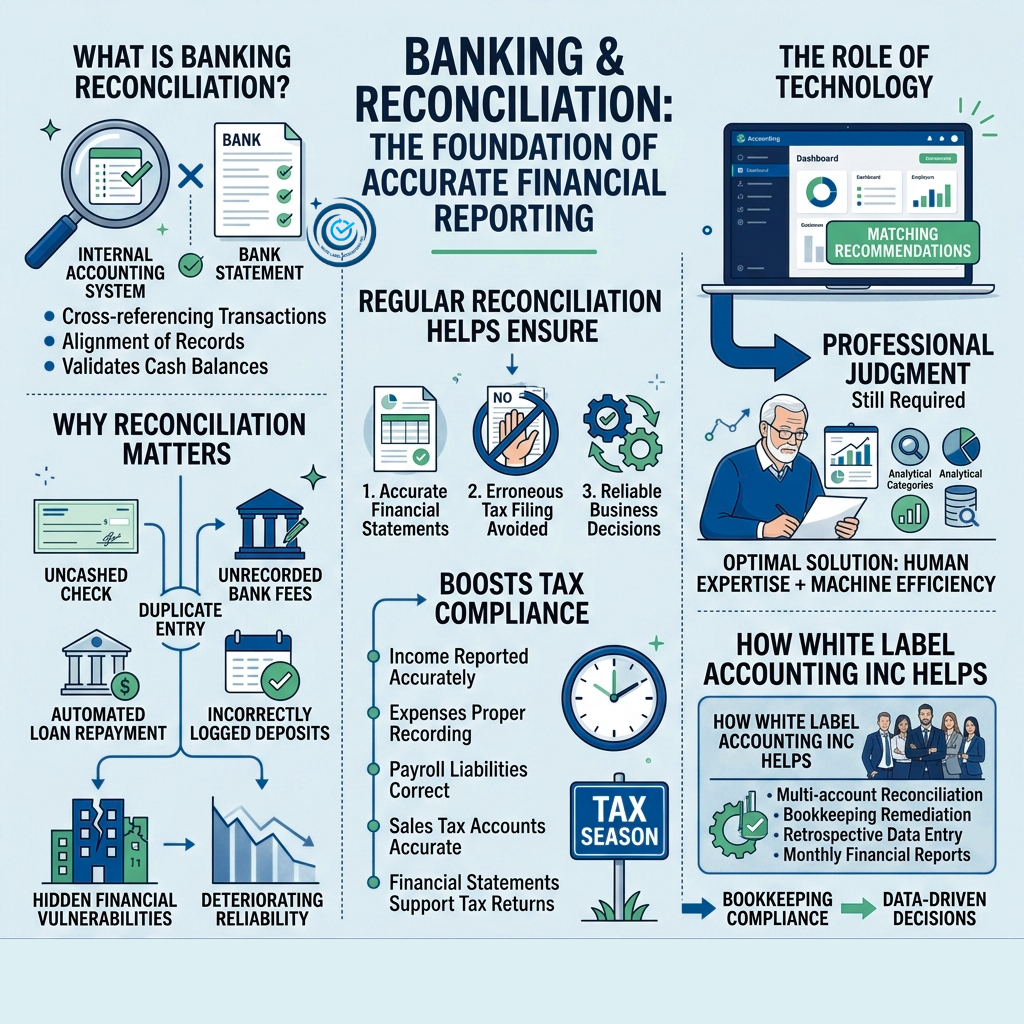
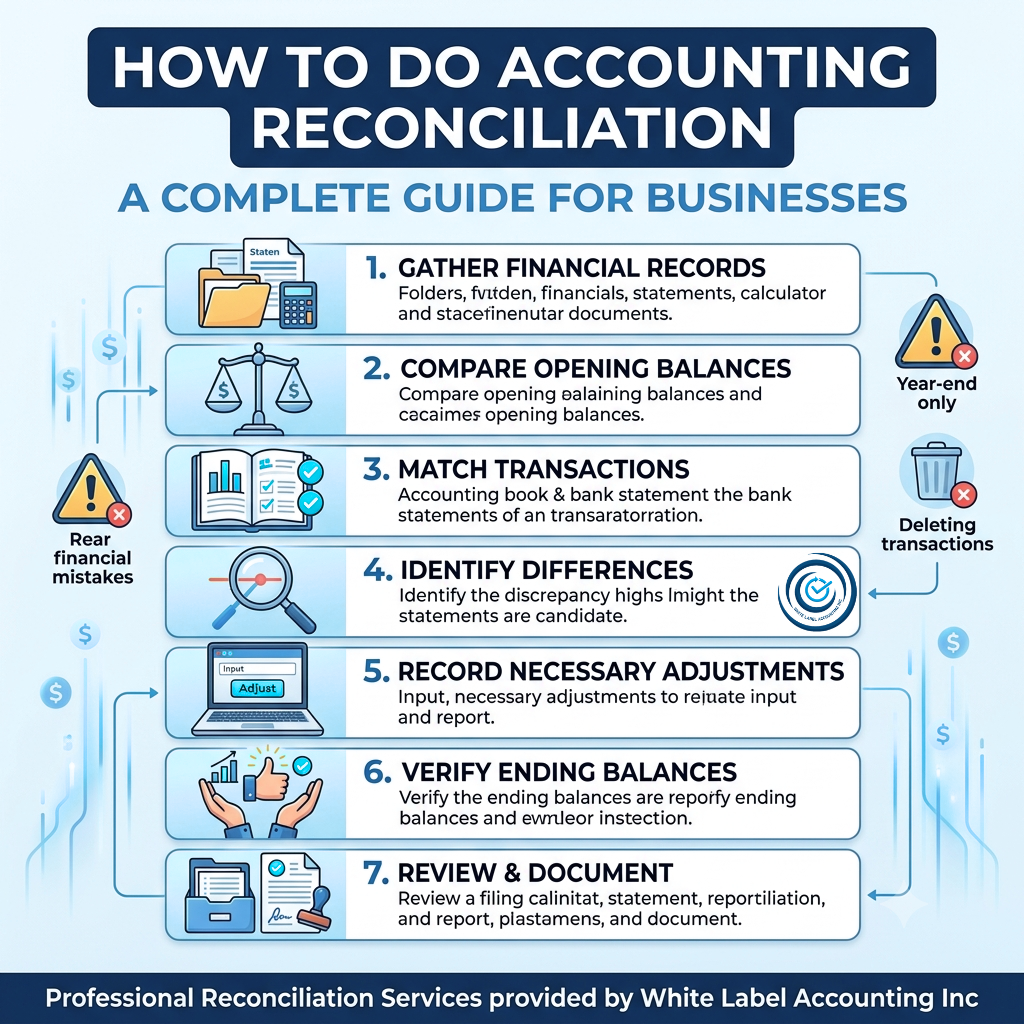
Reconcile books before tax preparation
Work with professionals familiar with new IRS forms
Avoid last minute filings with estimated data
Preparation is the most effective way to reduce risk under new reporting rules.
White Label Accounting Inc supports individuals, businesses, and CPA firms by
Staying current with IRS form updates
Preparing tax ready financial statements
Handling bookkeeping cleanup and catch up
Supporting tax preparation under new reporting rules
Ensuring compliance with OBBBA related changes
Our structured processes help reduce filing errors and compliance risk during transition years.
Tax law transition years typically see higher IRS scrutiny and increased filing errors. Early preparation allows time to correct issues before deadlines and reduces stress during tax season.
Businesses that wait until the last minute often face delays, penalties, and avoidable amendments.
The 2026 income tax filing season introduces new tax forms and reporting requirements driven by OBBBA tax law changes. These updates emphasize accuracy, transparency, and complete disclosure for both individuals and businesses.
Understanding the new forms and preparing early is essential for a smooth filing experience. With the right accounting and tax support, taxpayers can navigate these changes confidently and remain compliant.
If you need help preparing for the 2026 tax season or understanding how new IRS forms impact your filing, White Label Accounting Inc is ready to assist with reliable and compliant accounting and tax services.



Copyright © 2025 White Label Accounting Inc. All Rights Reserved | Developed by WITH U Technology Pvt. Ltd.