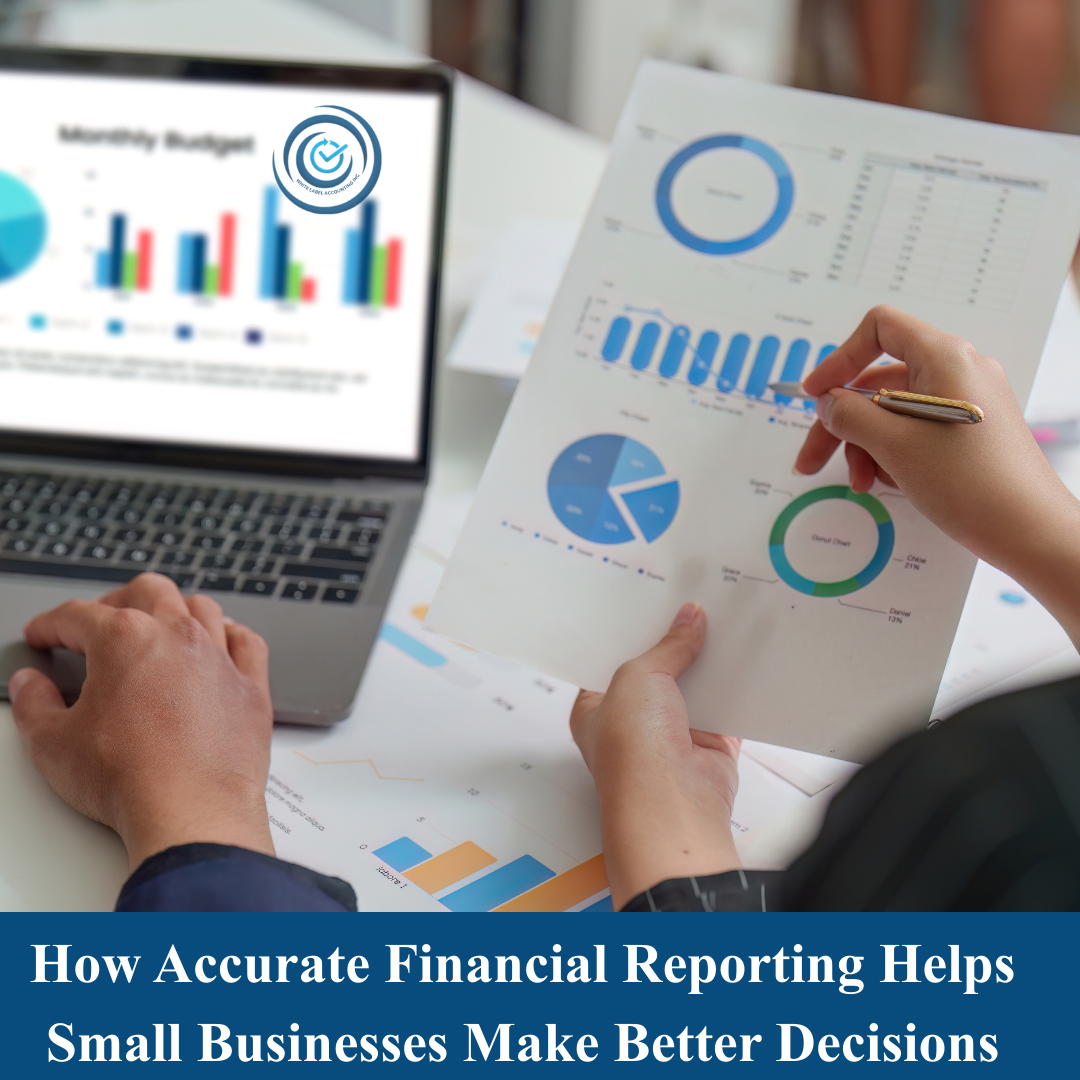
Accurate financial reporting is more than a compliance requirement. For small businesses, it is a critical tool for decision making, growth planning, and long term stability. When financial reports are inaccurate or outdated, business owners make decisions based on assumptions rather than facts.
This blog explains why accurate financial reporting matters, how it impacts daily and strategic decisions, common reporting mistakes small businesses make, and how professional accounting support helps ensure reliable financial data.
Accurate financial reporting means financial statements correctly reflect the true financial position and performance of a business.
Key financial reports include
Profit and loss statement
Balance sheet
Cash flow statement
Expense and revenue summaries
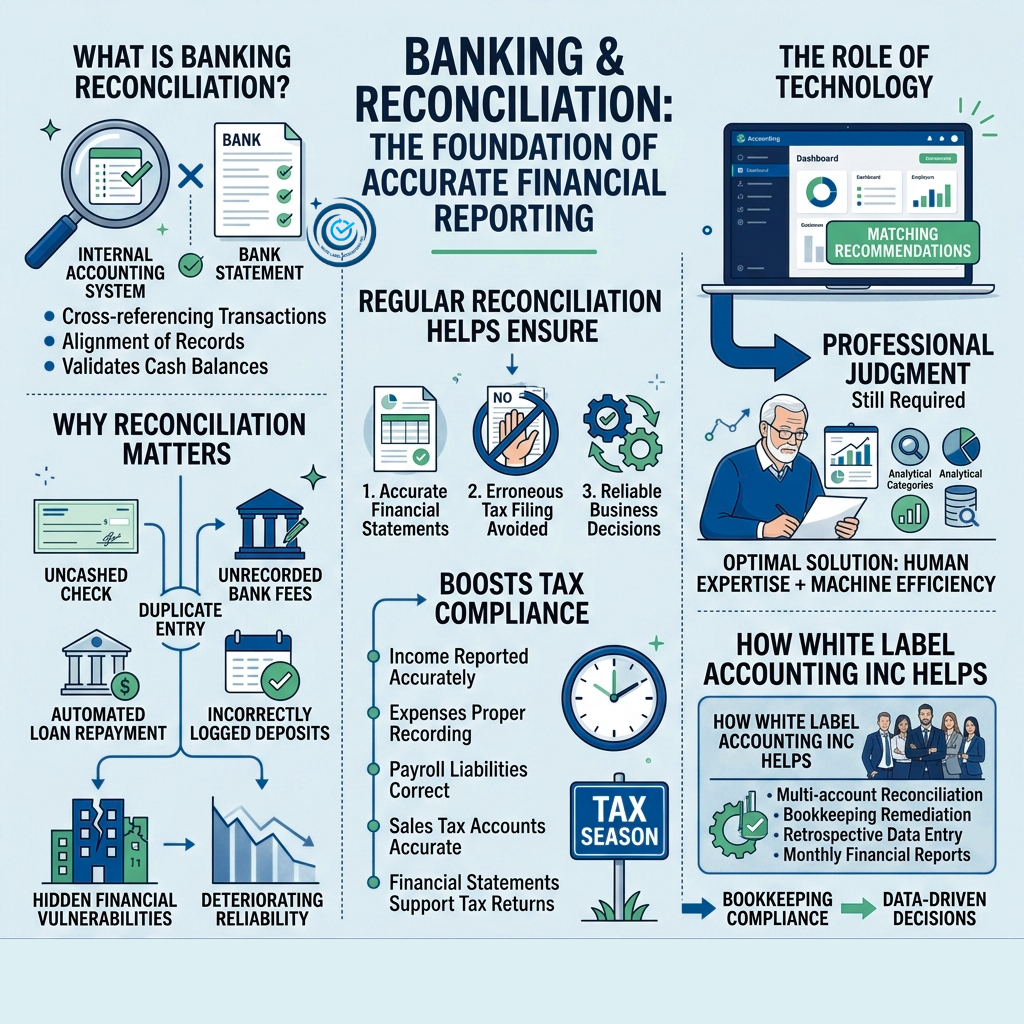
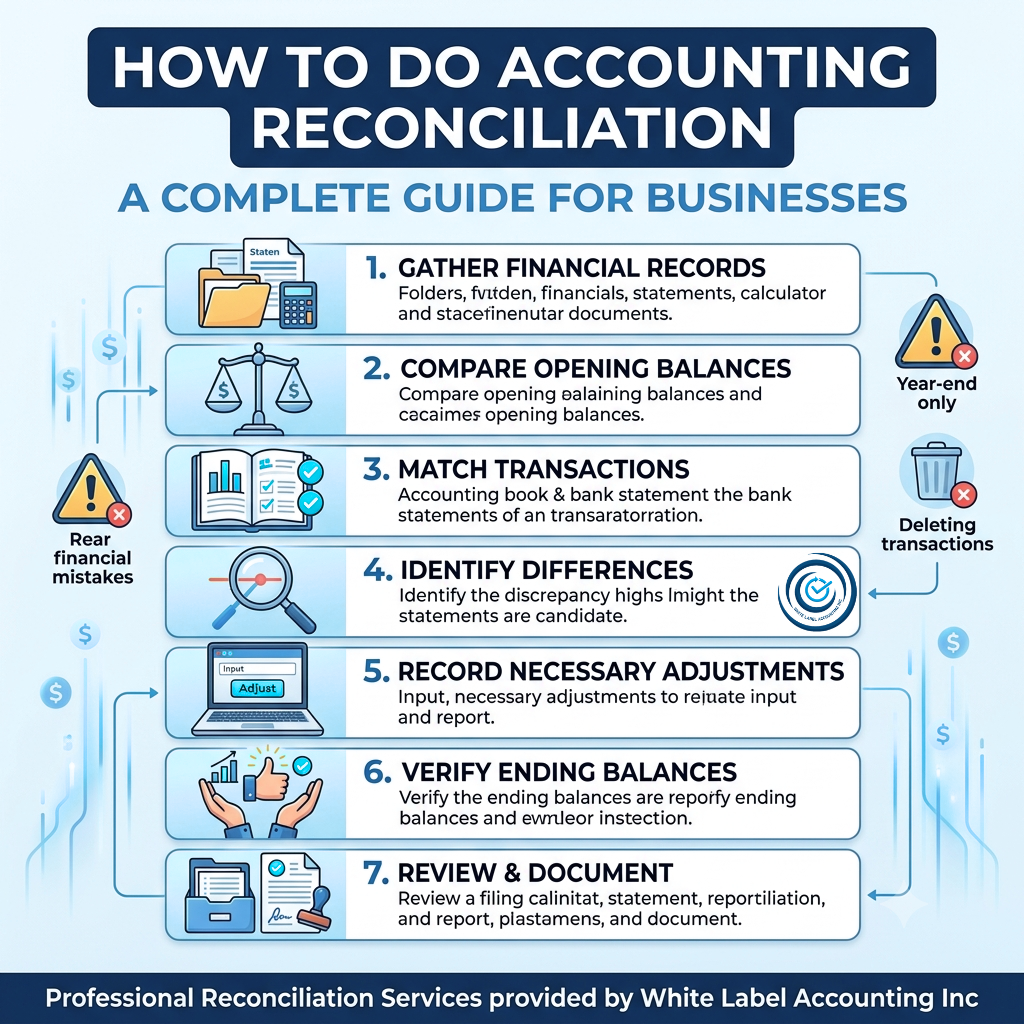
Accuracy depends on proper bookkeeping, timely reconciliation, and correct classification of transactions.
Better Business Decision Making
Business owners rely on financial reports to decide
When to hire employees
Whether to invest in equipment
How to price products or services
When to expand or reduce costs
Inaccurate reports can lead to poor decisions that affect profitability.
Improved Cash Flow Management
Accurate reports show where cash is coming from and where it is going. This helps businesses
Avoid cash shortages
Plan upcoming payments
Manage vendor and payroll obligations
Without accurate reporting, cash flow issues often come as a surprise.
Stronger Tax Compliance
Tax returns are prepared using financial reports. Accurate reporting ensures
Correct income reporting
Proper expense deductions
Reduced risk of penalties and audits
Inaccurate books often result in estimated filings and later corrections.
Easier Access to Financing
Lenders and investors require clean and accurate financial statements. Reliable reports improve
Loan approval chances
Credit terms
Investor confidence
Messy or inconsistent reports raise red flags.
Many small businesses face reporting issues due to
Incomplete bookkeeping
Delayed reconciliation
Mixing personal and business expenses
Incorrect expense categorization
Ignoring balance sheet accuracy
These mistakes reduce the usefulness of financial reports.
Accurate financial reporting allows business owners to
Identify profitable products or services
Control operating costs
Track performance trends
Set realistic budgets and forecasts
Financial data becomes a planning tool instead of just a record keeping requirement.
Accurate reporting depends on consistent monthly accounting processes such as
Bookkeeping updates
Bank and credit card reconciliation
Review of income and expenses
Balance sheet checks
Monthly reviews prevent year end surprises and reduce cleanup costs.
White Label Accounting Inc helps small businesses maintain accurate financial reporting through
Ongoing bookkeeping and reconciliation
Financial statement preparation
Reporting review and analysis
Cleanup and catch up services
Tax ready financial reporting
Our structured processes ensure business owners can rely on their numbers with confidence.
Accurate financial reporting is essential for small businesses that want to grow, remain compliant, and make informed decisions. Without accurate data, even well intentioned decisions can lead to financial setbacks.
By maintaining clean books and reviewing reports regularly, businesses gain clarity control and confidence. With professional accounting support, financial reporting becomes a strategic advantage rather than a challenge.
If your financial reports are unclear or unreliable, White Label Accounting Inc is ready to help you build accurate and dependable financial reporting systems.


Copyright © 2025 White Label Accounting Inc. All Rights Reserved | Developed by WITH U Technology Pvt. Ltd.