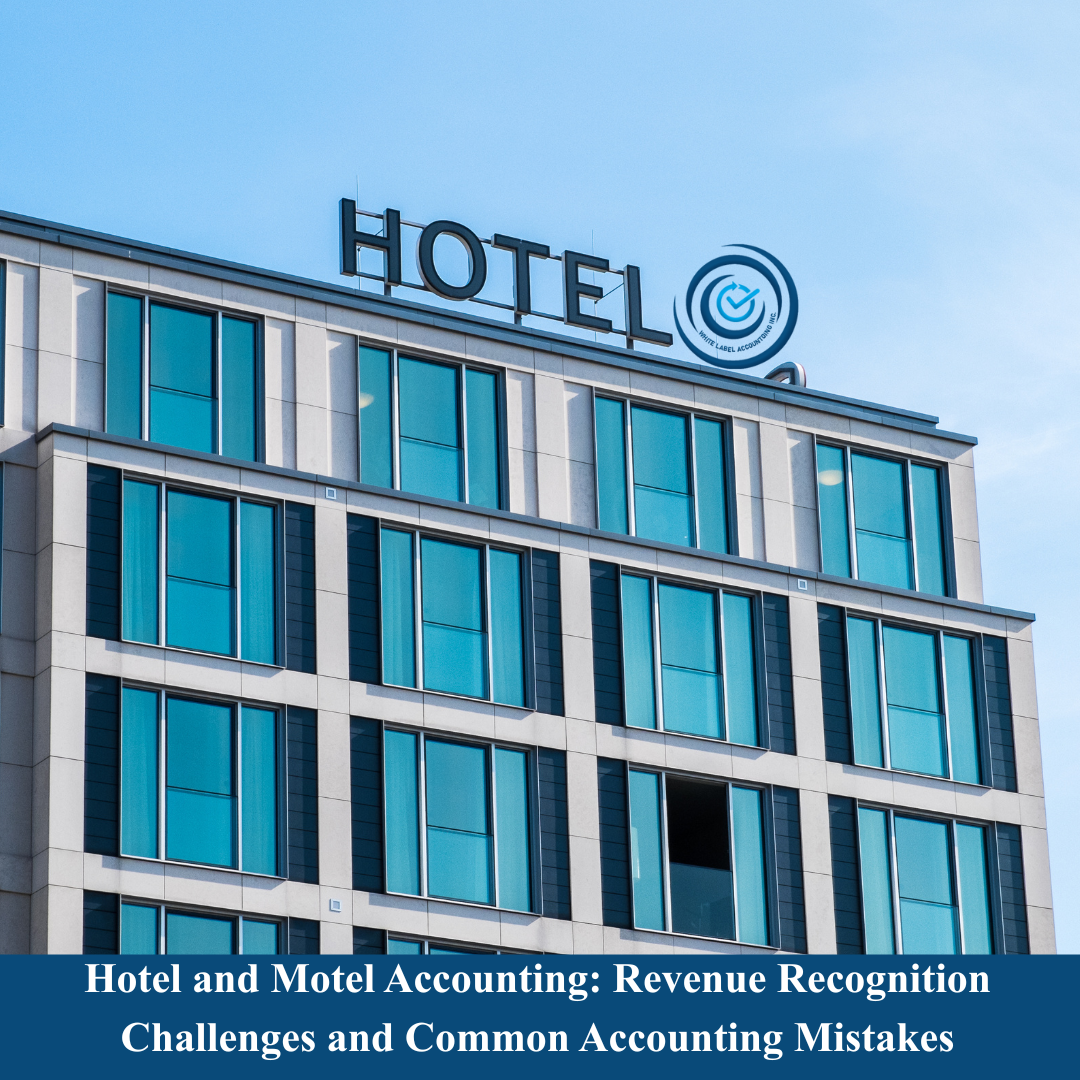
Accurate hotel and motel bookkeeping is critical to profitability, compliance, and investor confidence. Unlike traditional businesses, hotels and motels deal with advance bookings, multiple revenue streams, franchise agreements, and complex expense structures. When bookkeeping is not handled correctly, financial statements can become misleading, tax filings inaccurate, and business decisions flawed.
This article explores common bookkeeping challenges in hotels and motels, revenue recognition issues, mistakes made by business owners and bookkeepers, and special considerations for franchise based hotel models such as Marriott, Hilton, and similar brands.
Hotels and motels operate differently from standard retail or service businesses. Key complexities include
Daily room revenue with variable rates
Advance bookings and deposits
Multiple revenue departments such as rooms, food and beverage, parking, and events
High cash and card transaction volume
Franchise fees and brand standards
Property management systems integrated with accounting software
Without industry specific accounting knowledge, errors occur easily.
One of the most common accounting problems in the hospitality industry is incorrect revenue recognition.
Advance Bookings and Deposits
Hotels often receive payments before a guest stay occurs. A frequent mistake is recording deposits as income immediately instead of recording them as liabilities until the guest checks in or the stay is completed.
Correct treatment
Guest deposits should be recorded as deferred revenue
Revenue should be recognized only when the room is occupied
Recording revenue too early overstates income and creates tax and compliance risks.
No Show and Cancellation Fees
Hotels may charge cancellation or no show fees. These fees are often misunderstood.
Common mistakes include
Recording cancellation fees under room revenue
Not separating penalty income from stay revenue
These fees should be recognized only when the cancellation policy is triggered and classified correctly.
Daily Revenue Cutoff Errors
Hotels operate 24 hours a day, but accounting systems follow calendar dates. Improper cutoff timing leads to
Revenue recorded on the wrong day
Inconsistent monthly financials
Difficulty reconciling PMS and accounting software
Clear cutoff policies aligned with night audit reports are essential.
Hotel and motel owners often make bookkeeping mistakes due to lack of accounting expertise or reliance on non specialized bookkeepers.
Typical errors include
Mixing personal and business expenses
Not reconciling PMS revenue with bank deposits
Ignoring accrual accounting principles
Failing to track departmental profitability
Misclassifying capital improvements as expenses
Incorrect handling of payroll and contractor payments
These mistakes distort profitability and can trigger tax adjustments.
Even experienced bookkeepers may struggle with hotel accounting if they lack hospitality experience.
Common bookkeeper errors include
Treating hotel revenue like retail sales
Recording OTA payouts incorrectly
Not accounting for franchise fees properly
Failing to reconcile credit card settlements
Overlooking occupancy and tourism taxes
Using generic charts of accounts not designed for hotels
Hotel accounting requires specialized knowledge, not generic bookkeeping.
Hotels using platforms like Booking.com Expedia and Airbnb face additional complexity.
Common mistakes include
Recording gross booking amounts instead of net payouts
Missing commission expense tracking
Not reconciling OTA reports with bank deposits
This results in overstated revenue and understated expenses.
Modern hotel brands like Marriott Hilton Hyatt and Choice Hotels increasingly operate on a franchise model. Under this structure
The brand provides the name standards and reservation systems
The property is owned and operated by independent business owners
Financial performance and compliance remain the owner’s responsibility
Franchise agreements introduce new accounting considerations.
Franchise hotel owners must carefully track
Franchise and royalty fees
Marketing and reservation system charges
Brand required capital expenditures
Management and training fees
Compliance with brand financial reporting standards
Many franchise owners mistakenly treat franchise fees as simple expenses without analyzing their impact on margins and cash flow.
Franchise hotels often require
Regular financial reporting to the brand
Performance benchmarking against brand standards
Clean financials for refinancing and investor reporting
Poor bookkeeping can affect franchise renewal terms and lender confidence.
White Label Accounting Inc specializes in hotel and motel bookkeeping and accounting services. Our support includes
Hotel specific chart of accounts setup
Revenue recognition compliance
PMS and accounting software reconciliation
Franchise fee tracking and reporting
Payroll and tax compliance
Monthly financial statements and performance analysis
We understand both independent hotels and franchise operated properties.
Hotel and motel bookkeeping requires industry expertise carefuhttps://www.whitelabelaccounting.com/l revenue recognition and structured accounting systems. Mistakes in handling deposits OTA revenue franchise fees and expenses can significantly impact profitability and compliance.
As hotel brands expand franchise models, independent owners must take greater responsibility for accurate financial reporting. With the right accounting partner, hotel owners gain clarity control and confidence.
If you own or operate a hotel or motel, White Label Accounting Inc is ready to help you maintain accurate books comply with regulations and improve financial performance. Contact us today to learn more about our hospitality accounting services.




Copyright © 2025 White Label Accounting Inc. All Rights Reserved | Developed by WITH U Technology Pvt. Ltd.