Startups operate in fast paced environments where founders focus on product development, fundraising, and growth. In the early stages, bookkeeping is often overlooked or handled inconsistently. However, efficient bookkeeping practices are essential for maintaining financial clarity, ensuring tax compliance, and supporting long term success.
This blog explains why bookkeeping matters for startups, common mistakes founders make, and practical steps to establish efficient bookkeeping systems from day one.
Bookkeeping is more than recording transactions. It provides visibility into cash flow, burn rate, profitability, and investor readiness.
Efficient bookkeeping helps startups
Track revenue and expenses accurately
Monitor runway and cash flow
Prepare for funding rounds
Stay compliant with tax regulations
Avoid costly cleanup before audits
Without structured bookkeeping, financial decisions are based on assumptions rather than data.
One of the first steps for startup bookkeeping efficiency is separating business and personal finances.
Best practices include
Opening a dedicated business bank account
Using a business credit card
Avoiding personal transactions through company accounts
Clear separation ensures accurate reporting and simplifies tax filing.
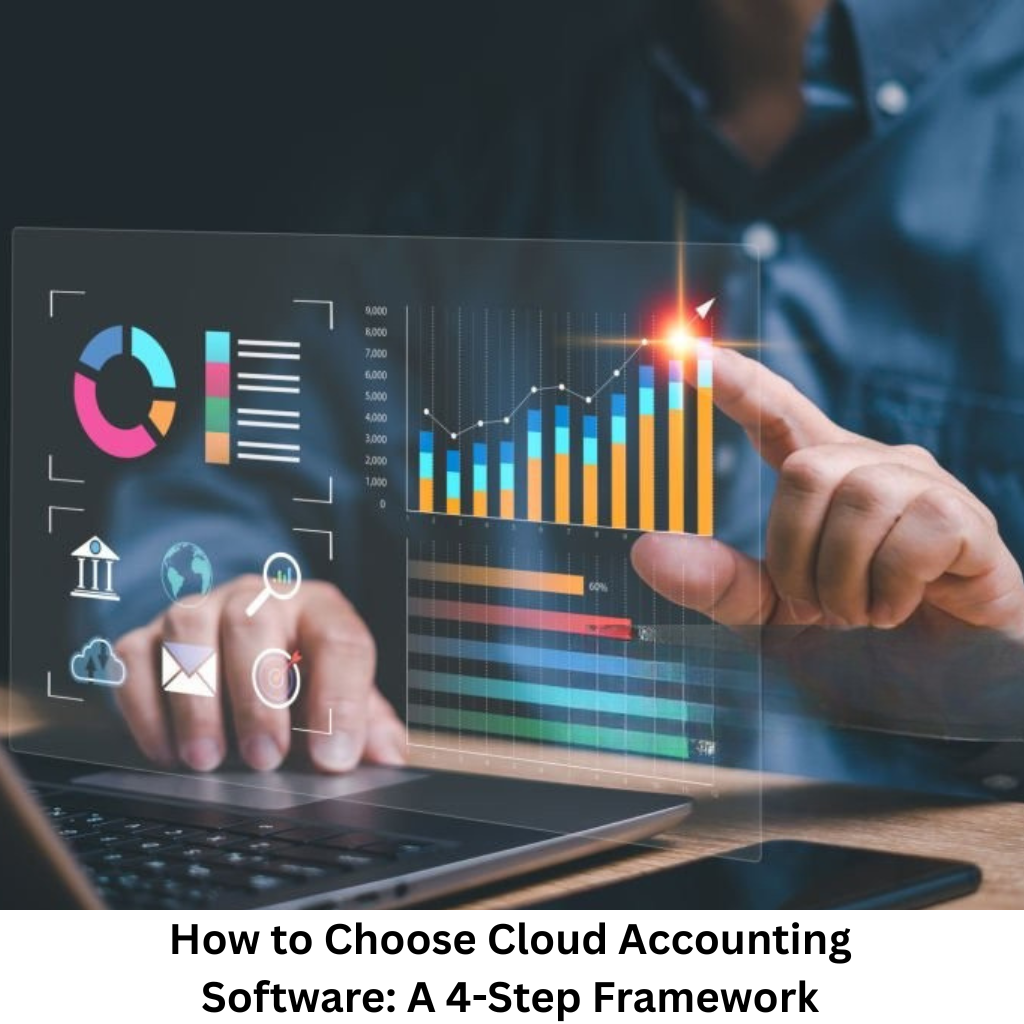
Modern startups benefit from cloud accounting systems that allow real time access and integration with banking and payment platforms.
Advantages include
Automated transaction imports
Digital record keeping
Easy collaboration with accountants
Scalable reporting as the business grows
Cloud tools reduce manual data entry and increase accuracy.
Efficient bookkeeping requires consistency. Startups should
Record transactions weekly or monthly
Categorize expenses correctly
Track revenue by product or service
Maintain documentation for all transactions
Consistency prevents backlog and reduces errors.
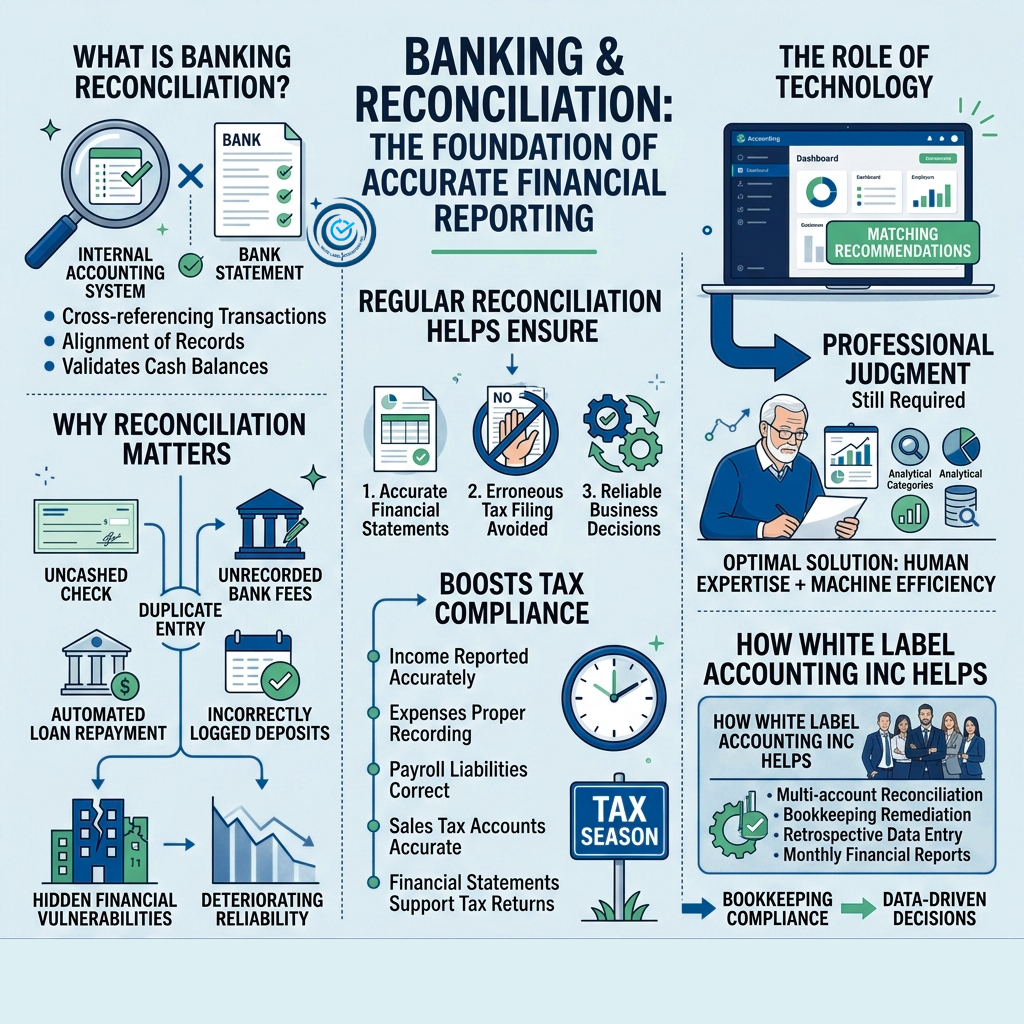
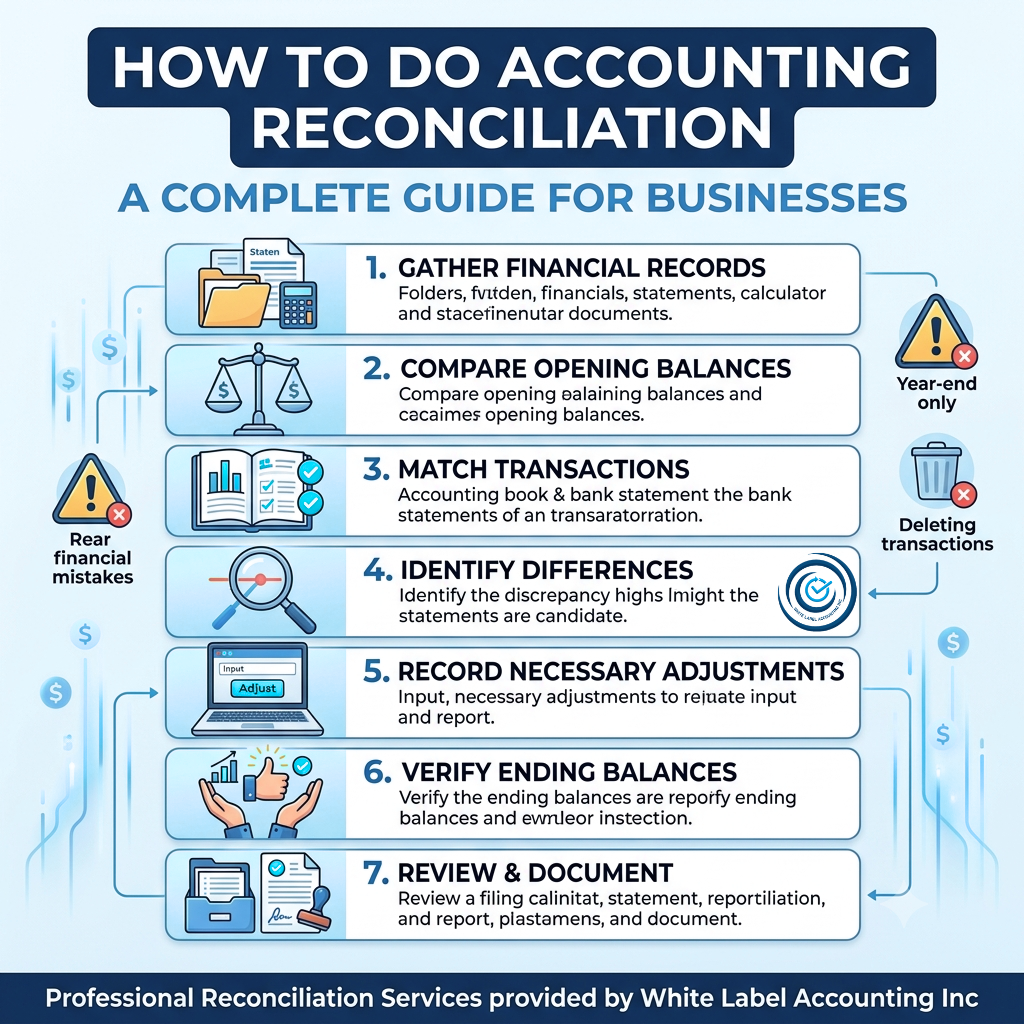
Monthly reconciliation ensures that internal records match bank and credit card statements.
Benefits include
Detecting errors early
Preventing duplicate entries
Identifying unauthorized transactions
Maintaining accurate financial statements
Timely reconciliation reduces year end stress.
Startup costs such as legal fees, registration fees, and marketing expenses must be recorded accurately. Some costs may need to be capitalized and amortized rather than expensed immediately.
Proper tracking ensures accurate financial reporting and tax compliance.
For startups, cash flow management is critical. Efficient bookkeeping helps founders understand
Monthly operating expenses
Available cash reserves
Funding runway
Revenue trends
This information is essential for strategic planning and investor discussions.
Startups should store
Invoices and receipts
Contracts and agreements
Payroll records
Tax filings
Digital document storage improves organization and audit readiness.
Founders should review
Profit and loss statements
Balance sheets
Cash flow statements
Regular review helps identify trends and address issues before they escalate.
While startups may begin with basic bookkeeping, professional support becomes valuable as the business grows.
White Label Accounting Inc provides structured bookkeeping services tailored for startups, including
Monthly bookkeeping and reconciliation
Financial statement preparation
Cleanup and catch up services
Tax ready financial reporting
Ongoing compliance support
Professional guidance ensures financial systems scale with growth.
Startups often
Delay bookkeeping until tax season
Mix personal and business expenses
Ignore reconciliation
Misclassify expenses
Rely only on bank balances
These mistakes lead to inaccurate reports and tax complications.
When bookkeeping is efficient and consistent, startups gain
Clear financial visibility
Better decision making
Improved investor confidence
Reduced tax risk
Lower accounting cleanup costs
Efficient bookkeeping builds a strong financial foundation.
Efficient bookkeeping practices are essential for startup success. By establishing structured processes, maintaining accurate records, and reconciling accounts regularly, startups can focus on growth while staying financially organized.
As startups scale, professional accounting support ensures financial accuracy and compliance. White Label Accounting Inc helps startups build efficient bookkeeping systems that support sustainable growth and long term stability.



Copyright © 2025 White Label Accounting Inc. All Rights Reserved | Developed by WITH U Technology Pvt. Ltd.